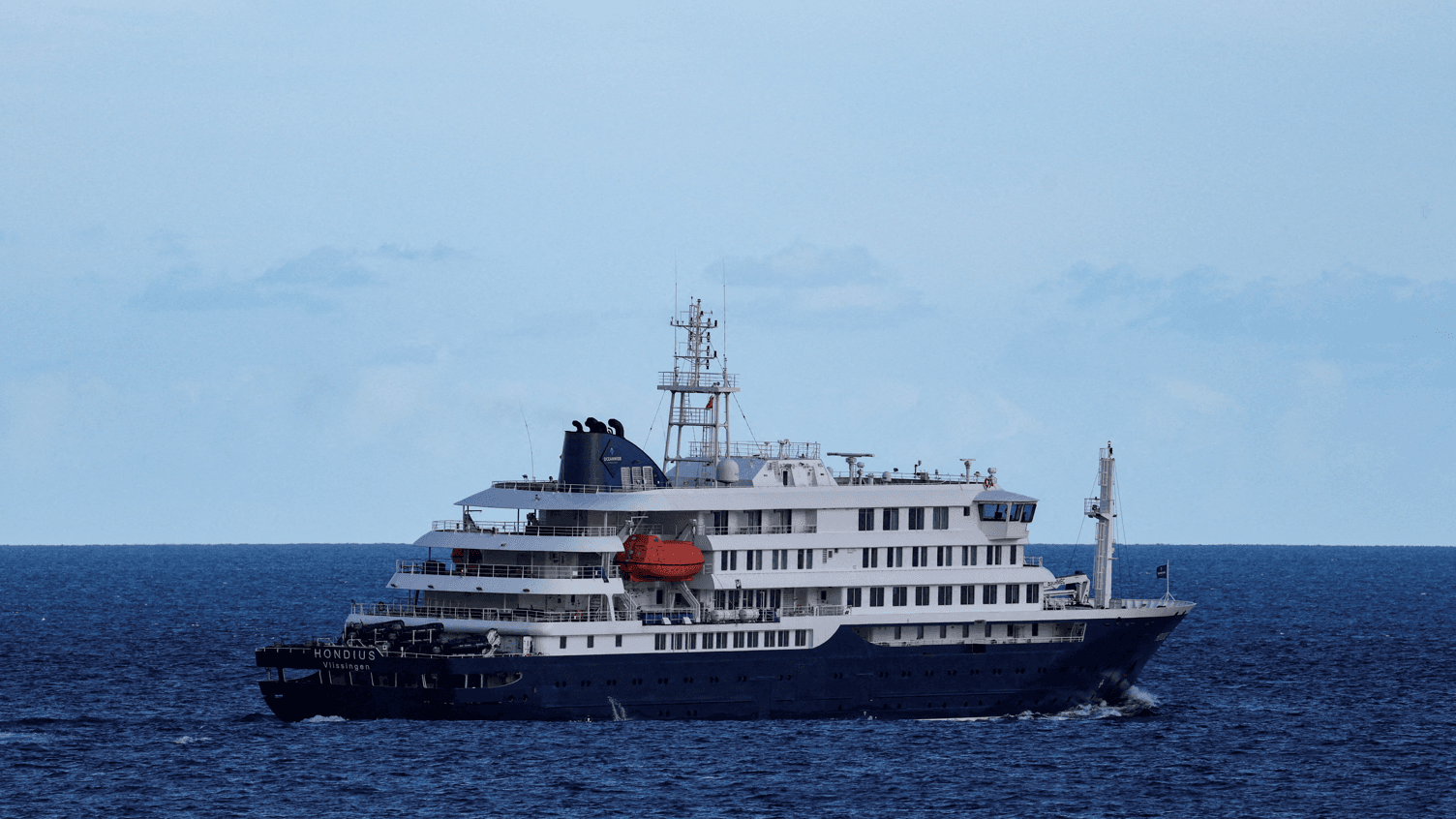
American Doctor Steps In After Hantavirus Outbreak Strikes Cruise Ship
A Bend oncologist expected a birding voyage, then found himself helping run a shipwide hantavirus response after the ship’s doctor fell ill.
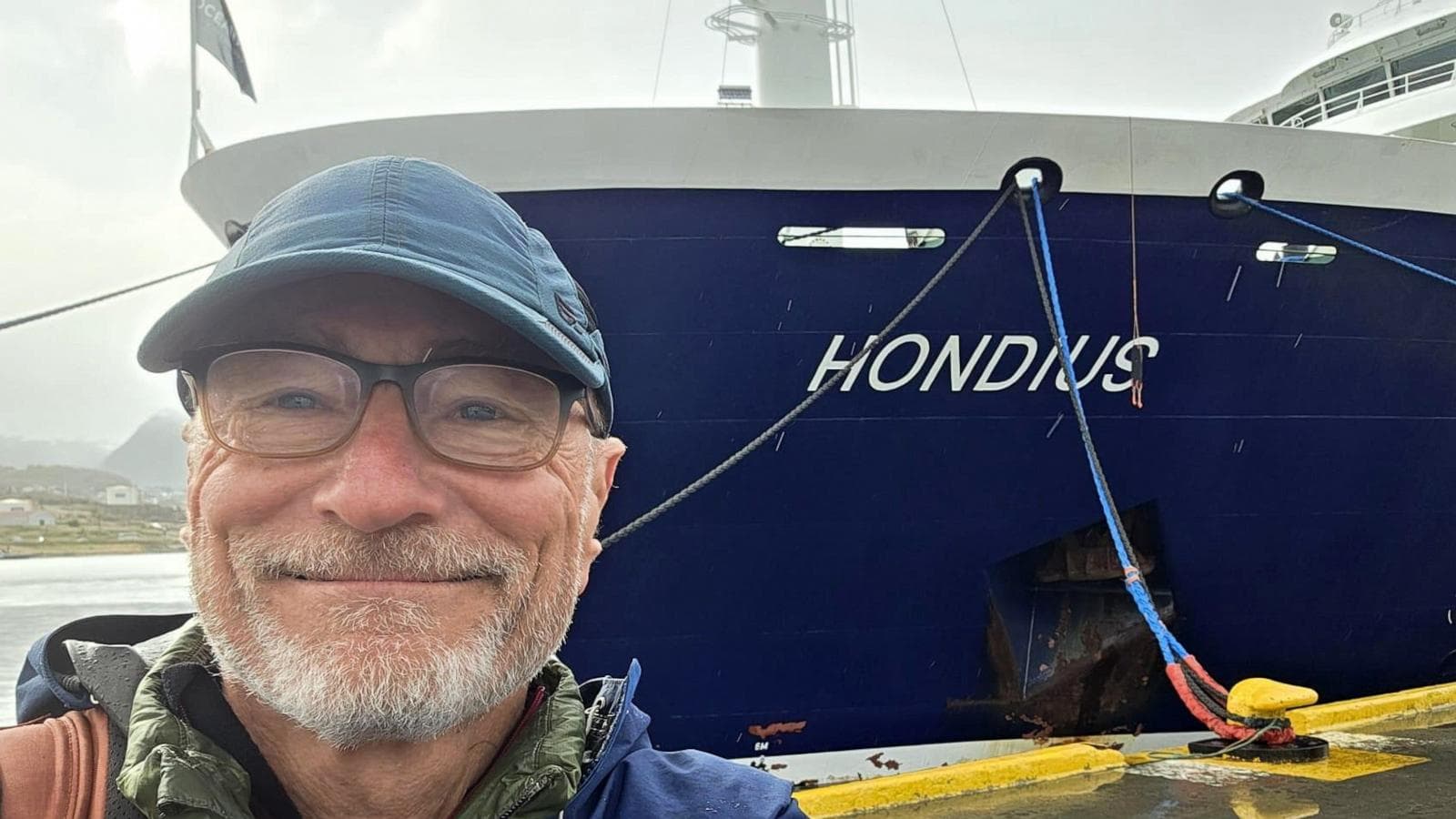
Dr. Stephen Kornfeld boarded the MV Hondius expecting a once-in-a-lifetime birdwatching trip. Instead, the Bend, Oregon oncologist said he quickly realized he was helping lead a full-blown medical crisis after the ship’s own physician contracted hantavirus and became sick.
The Dutch expedition vessel, operated by Netherlands-based Oceanwide Expeditions, had become a floating isolation ward as passengers and crew fell ill. The World Health Organization said the ship was carrying 147 passengers and crew, and by May 4 it had identified seven cases in all, including two laboratory-confirmed hantavirus infections and five suspected cases. The outbreak had already caused three deaths, left one person critically ill and another three with mild symptoms.
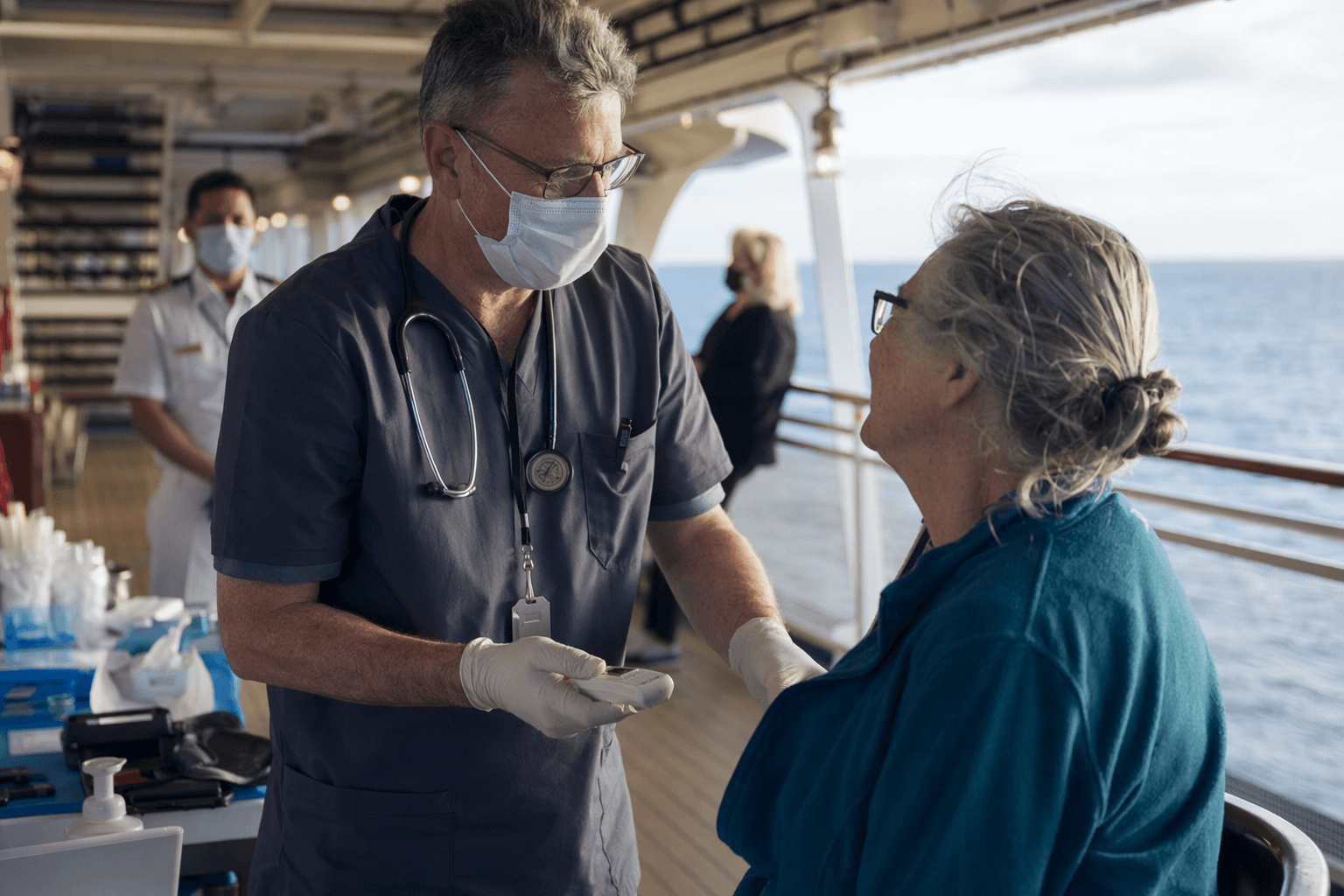
Kornfeld, described in local reporting as a longtime Central Oregon cancer doctor who spent two decades treating patients at St. Charles Cancer Center before semi-retiring, stepped into a role far outside oncology. With the ship’s doctor among the six people onboard who tested positive, Kornfeld helped passengers navigate a situation that had moved beyond routine shipboard care and into emergency response on open water.
Health authorities have treated the episode as serious but contained. The U.S. Centers for Disease Control and Prevention said on May 8 that it was actively monitoring the outbreak and that the risk to the American public remained extremely low. CDC officials also said there were no immediate plans for mandatory quarantine when Americans arrived home.
The World Health Organization confirmed the Andes strain of hantavirus, a form that can spread from person to person, adding urgency to the ship’s route toward the Canary Islands. Spanish authorities prepared Tenerife to receive the vessel, and WHO Director-General Tedros Adhanom Ghebreyesus visited the port there, saying the island was ready to coordinate the ship’s arrival. After being denied docking elsewhere, the Hondius was expected to make a controlled disembarkation near Tenerife, with U.S. passengers monitored for symptoms and allowed to travel under public-health guidance rather than forced quarantine.
The episode laid bare how thin the margin can be when a cruise ship far from definitive care becomes the only place to stabilize the sick. It also underscored the burden passengers assume when they sail into remote waters, where a single physician’s illness can turn a luxury expedition into a crisis of improvisation.
This article was produced by Prism’s automated news system from verified source data, official records, and press releases, then run through automated quality and moderation checks before publishing. The system is built and supervised by the people who set the standards it runs under. Read our full AI policy.
Did this article answer your question?