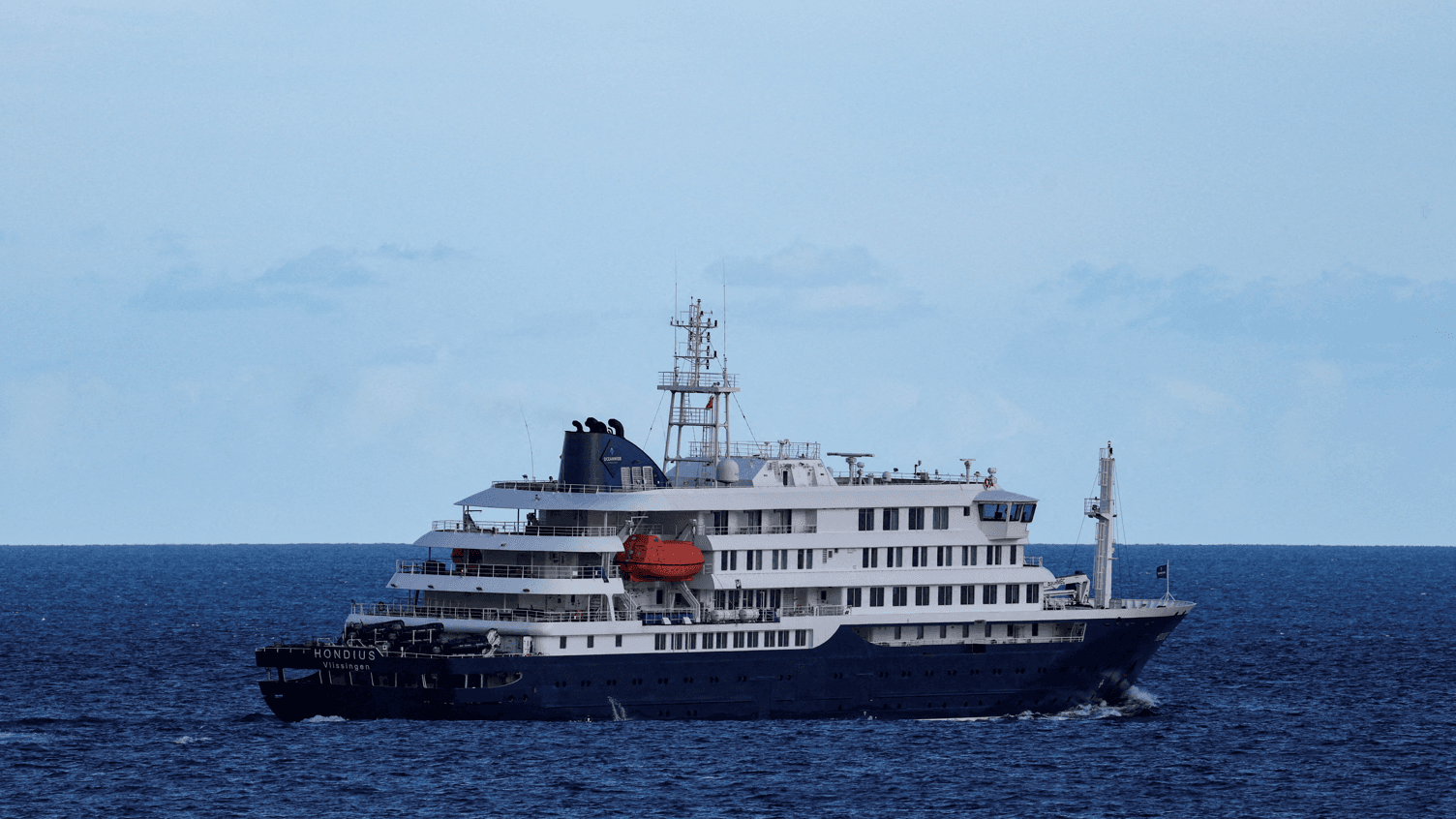
Hantavirus outbreak on cruise ship prompts evacuation, U.S. passengers to quarantine
A hantavirus cluster on the MV Hondius has triggered a planned evacuation and U.S. quarantine, even as WHO says the public-health risk remains low.

The Dutch-flagged MV Hondius is being steered toward Tenerife as health officials race to move passengers safely off the ship and track anyone who may have been exposed to hantavirus. U.S. passengers are slated for a government medical repatriation flight to Offutt Air Force Base in Omaha, Nebraska, then to the National Quarantine Center at the University of Nebraska, Omaha.
The virus at the center of the response is Andes hantavirus, the only hantavirus known to spread person to person under close, prolonged contact. The World Health Organization said eight cases had been reported aboard the ship, including three deaths, with five cases confirmed as hantavirus infections. The European Centre for Disease Prevention and Control later said there were six confirmed and two probable cases as of May 9, and that the vessel, carrying passengers and crew from 23 countries, was expected to reach Tenerife on May 10.
Public-health officials have stressed that the risk to the American public remains extremely low, but the logistics are unusually complex because passengers have already dispersed across borders. The CDC said American passengers were being prepared for repatriation, while state health departments in Arizona, California, Georgia, Texas and Virginia were monitoring returning travelers who were asymptomatic. The incubation period is about six weeks, which means more illness could still emerge after travelers leave the ship.
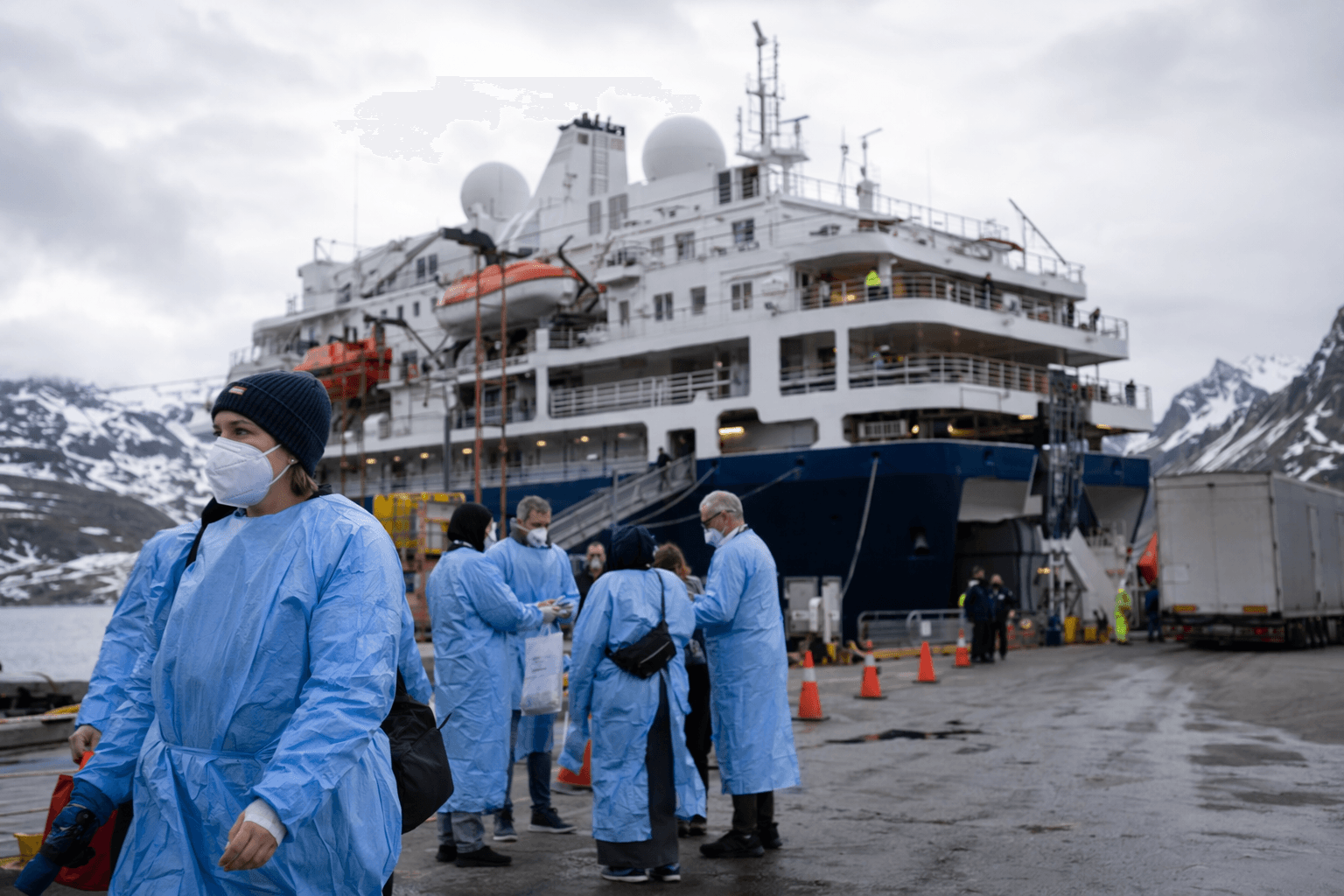
WHO said it had deployed an expert aboard the vessel and arranged shipment of 2,500 diagnostic kits from Argentina to laboratories in five countries. Tedros Adhanom Ghebreyesus said the situation was serious but assessed the public-health risk as low, and WHO said the episode showed why the International Health Regulations matter when a rare disease event crosses multiple jurisdictions. The agency also said it was developing step-by-step operational guidance for safe and respectful disembarkation and onward travel for passengers and crew.
Investigators suspect the first victims, a Dutch couple, may have been infected before boarding after a bird-watching trip in South America, before they joined the ship in Argentina on April 1. Officials have pointed to previous severe outbreaks, including one in Argentina in 2018 that killed 11 people and another in Yosemite National Park in 2012 that killed three, as reminders that hantavirus remains rare but dangerous. The challenge now is less about treating a cruise ship and more about coordinating surveillance, quarantine and cross-border follow-up before the next case appears.
This article was produced by Prism’s automated news system from verified source data, official records, and press releases, then run through automated quality and moderation checks before publishing. The system is built and supervised by the people who set the standards it runs under. Read our full AI policy.
Did this article answer your question?