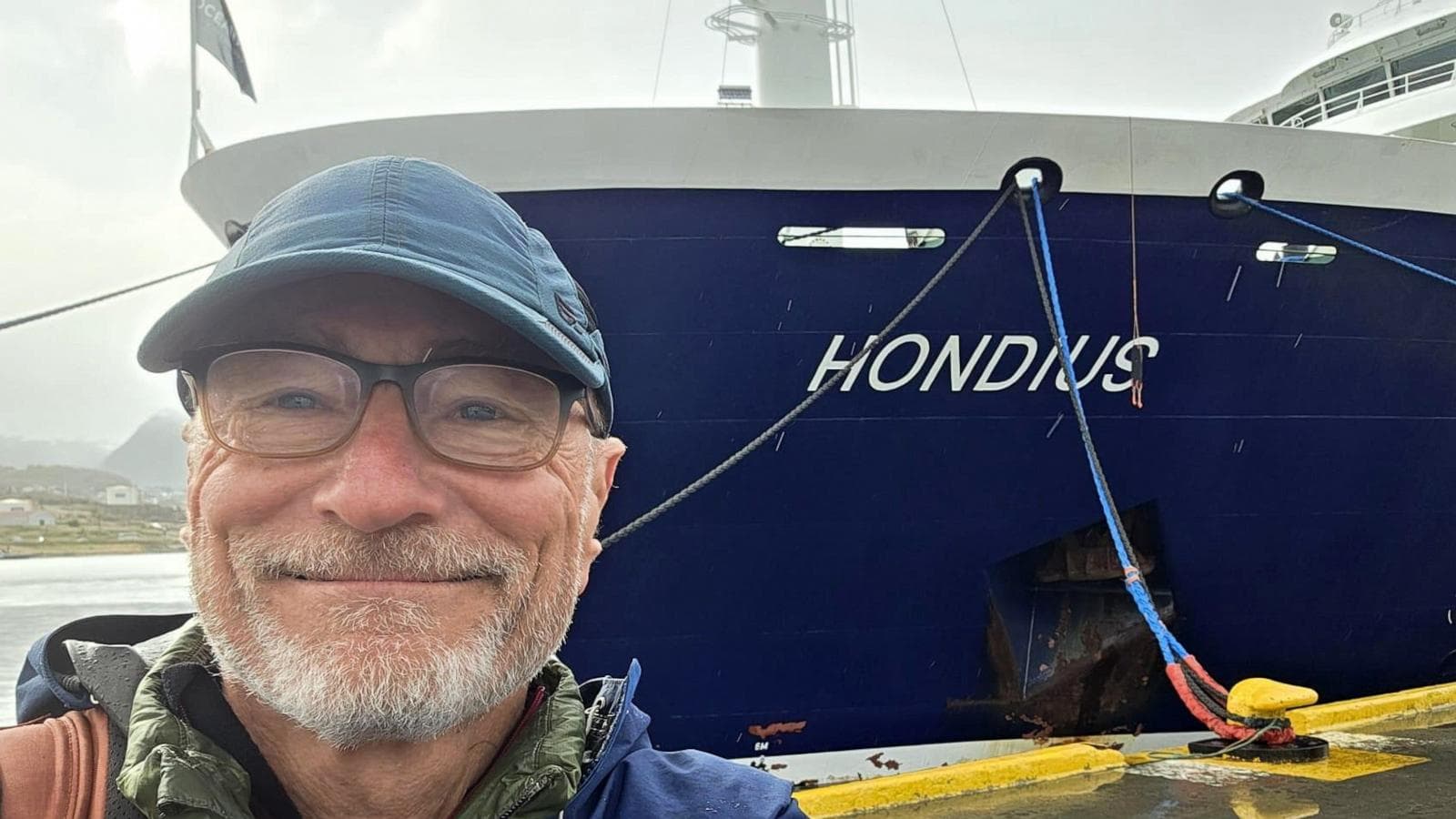
Cruise ship with deadly hantavirus outbreak set to disembark passengers
More than 100 people aboard the MV Hondius were set to disembark under guard after eight hantavirus cases, including three deaths, forced a tightly managed evacuation.
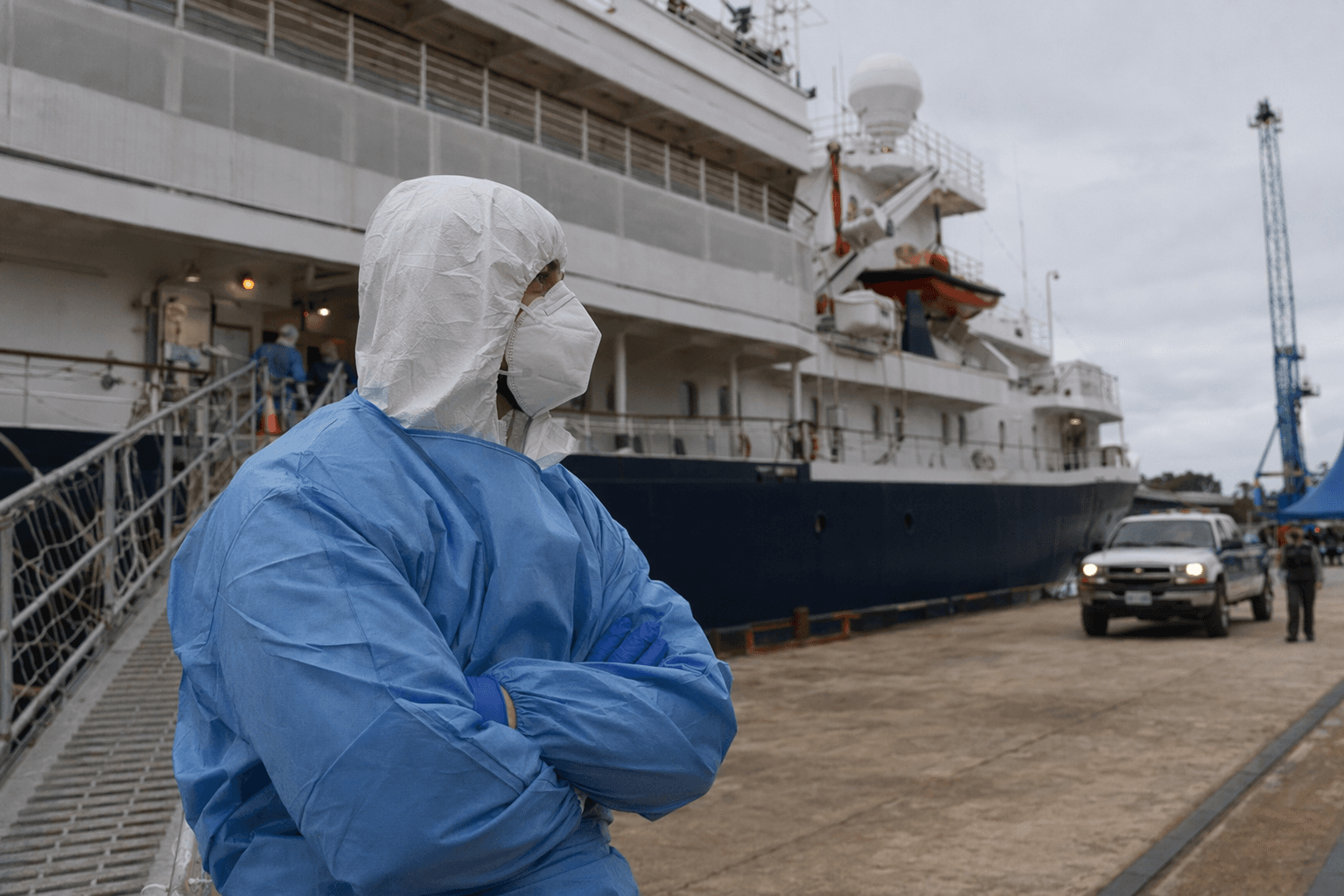
More than 100 passengers and crew on the Dutch-flagged MV Hondius were preparing to leave the ship under a tightly controlled disembarkation plan after an outbreak of hantavirus left three people dead and triggered an emergency response spanning Cabo Verde, Tenerife, the Netherlands and South Africa.
The World Health Organization said the vessel carried 147 people in all, including 88 passengers and 59 crew members from 23 nationalities. By May 7, health officials had counted eight cases in the cluster, five of them laboratory confirmed as hantavirus infections. Symptoms began between April 6 and April 28, with fever, gastrointestinal illness, rapid progression to pneumonia, acute respiratory distress syndrome and shock.
The virus was identified as Andes virus, the hantavirus strain known for limited human-to-human transmission, usually through close and prolonged contact. WHO said the source of the outbreak had not been determined, but medical experts noted that the ship had departed Ushuaia, Argentina, on April 1 and had traveled through the South Atlantic and Antarctic region, including a route linked to Patagonia, where Andes virus is prevalent.
Tedros Adhanom Ghebreyesus placed himself at the center of the response, sending a direct message to people in Tenerife and publicly backing Spain’s reception of the ship. His personal involvement underscored the stakes: rare infectious threats on mobile, cross-border vessels can move faster than the institutions built to contain them, and the response depends on a chain of trust between ship operators, national authorities and international health officials.
That chain had already been activated offshore. WHO said an expert boarded the ship in Cabo Verde and was joined by two Dutch doctors and a European Centre for Disease Prevention and Control specialist, who remained on board until the vessel reached the Canary Islands. Doctors from Cabo Verde also boarded to care for three symptomatic passengers, arranging their evacuation to the Netherlands. Two of those patients were stable in hospital, while one asymptomatic passenger was sent to Germany. Another patient evacuated from Ascension Island to South Africa remained in intensive care, and an eighth case was later identified after a passenger who had disembarked in Saint Helena reported symptoms in Zürich, Switzerland.
Spain and WHO agreed that epidemiologists would inspect everyone on board before a final decision on disembarkation. The plan called for passengers to come ashore at the industrial port of Granadilla in Tenerife, far from residential areas, through a sealed and guarded corridor and then repatriate directly to their home countries. WHO said the global public health risk remained low, but the episode showed how containment now works on the water: isolate cases, sort contacts, move patients safely, and keep the public protected while dignity and medical care remain part of the response.
Know something we missed? Have a correction or additional information?
Submit a Tip