Americans read fewer books as screens, distractions take more time
A third of Americans said they read fewer books than 10 years ago, but many are spending that time on social media, gaming, TV and exercise.
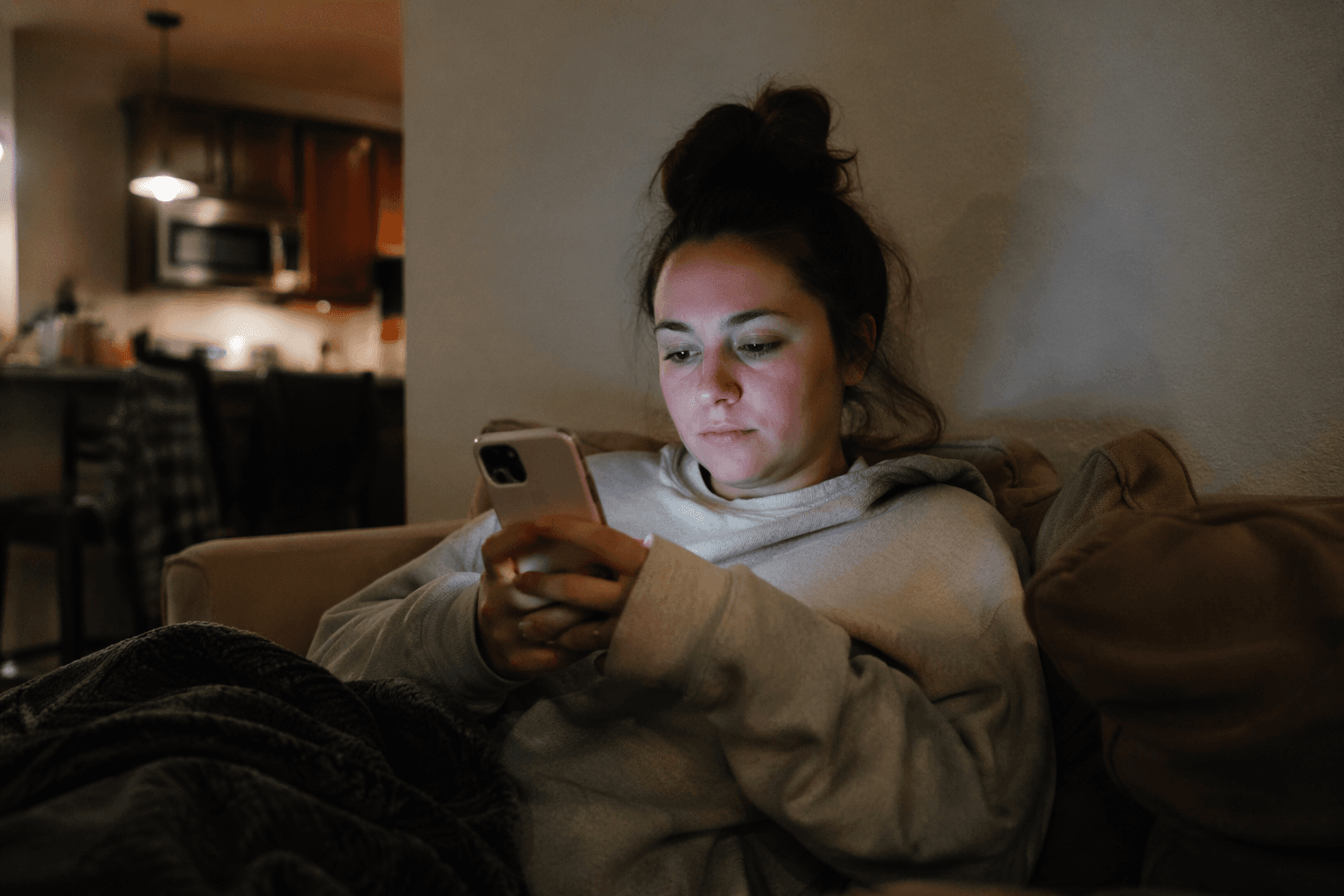
Americans were not simply walking away from books. They were shifting their downtime, with screens, distractions and even exercise taking time that once went to reading for pleasure. A new CBS News/YouGov poll found that one-third of Americans said they were reading fewer books than they did 10 years ago, a drop that cut across age and education levels as the summer reading season got underway.
The reasons pointed to a competition for attention as much as a decline in interest. About half of those reading less said they were too busy or did not have enough free time, while about half also blamed too many distractions. More than one-third said their attention spans had worsened over the past decade. Among adults under 30, nearly two in three said social media was one reason they were reading less.
The time did not go to books, but it also did not all go to passive screen use. More than half of Americans reading less said they were spending more time watching movies and television and more time on social media. More than one-third said they were gaming more, and that shift was especially pronounced among men under 50, more than half of whom said they were playing games instead of reading for pleasure. For women under 50, the top answer was social media. About one-third of both men and women said they were doing more physical activities instead of reading.
Even with that pull away from books, most Americans had not given up reading altogether. About one-third said they read six or more books a year, including 12 percent who read more than 20. Younger adults were reading about the same number of books as older adults, while women read more books than men. Most readers still preferred printed books to digital editions or audiobooks, but a third of people who read more than 20 books a year said they usually read digitally.

Reading habits also remained tied to recommendation networks. Most readers relied on suggestions to some degree, and friends and family were the source many turned to most often. Older readers were more likely to consult book reviews, while readers under 30 were far likelier to look to social media and influencers for what to read next.
Fiction remained more popular than nonfiction, driven largely by women, while men were divided. The most popular fiction genre overall was mystery, ahead of science fiction and fantasy. Among nonfiction readers, history led, especially among men, while women were more split between books about religion, philosophy or spirituality and books about self-help and wellness.
The findings fit a broader pattern. CBS News has reported on a continuing reading recession among students, and Pew Research Center said in April that most U.S. adults still read books and still favor print, even as e-book and audiobook use has grown. The result is less a disappearance of reading than a reordering of how Americans spend their attention.
This article was produced by Prism’s automated news system from verified source data, official records, and press releases, then run through automated quality and moderation checks before publishing. The system is built and supervised by the people who set the standards it runs under. Read our full AI policy.
Know something we missed? Have a correction or additional information?
Submit a Tip