America's biggest water users are farms, lawns and toilets, not AI centers
AI data centers do use water, but U.S. farms, power plants and public supply still dominate withdrawals. The real challenge is local scarcity, not national consumption.
The United States is not running out of water because of AI. The bigger drains are far more familiar: irrigation that keeps farms productive, public supply that fills homes and businesses, and thermoelectric power plants that cool the grid. Data centers matter because they are growing fast, often in water-stressed places, but they still sit inside a much larger national water system.
The real water footprint is still agriculture and everyday use
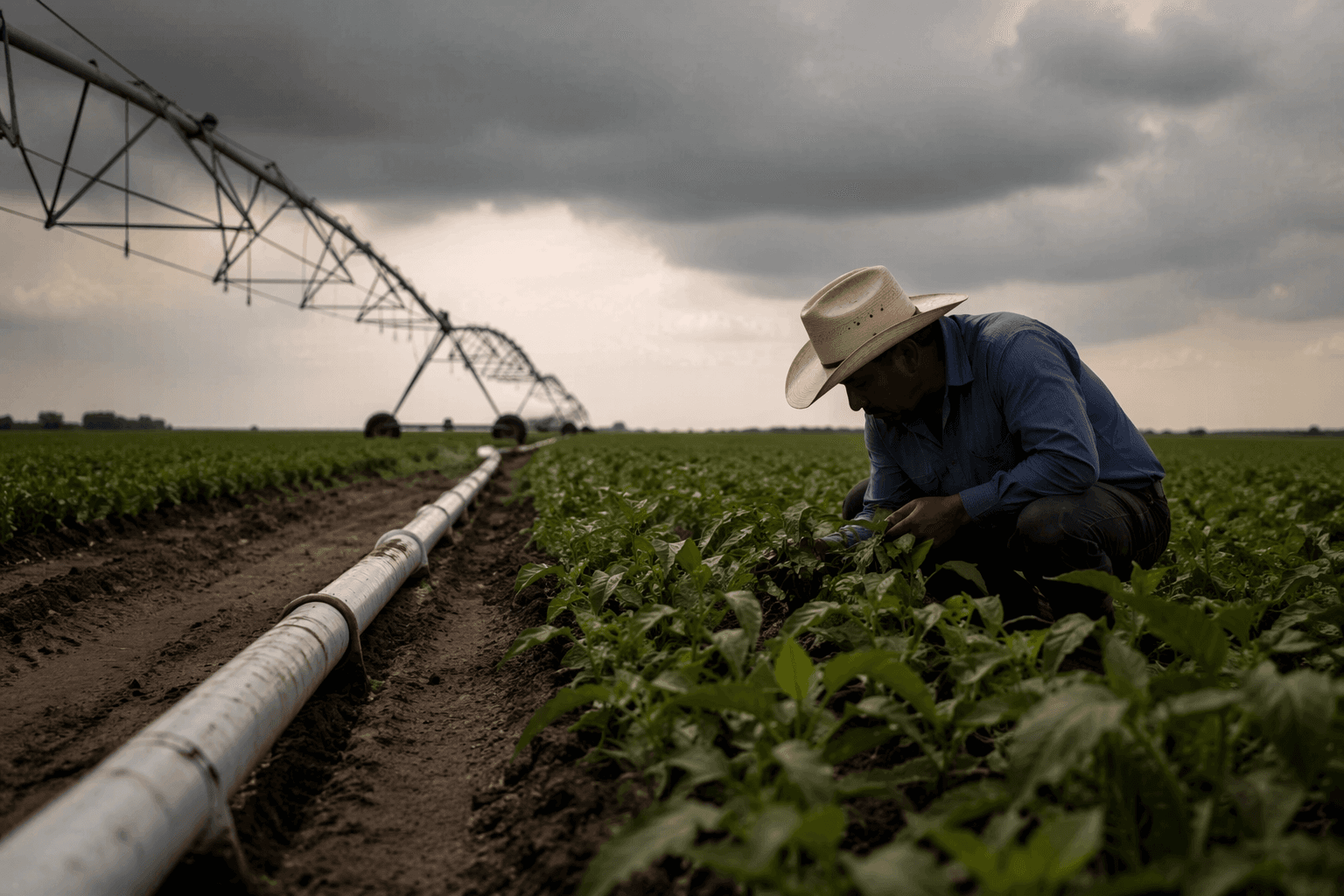
The U.S. Geological Survey estimated that total water withdrawals in the United States reached about 322 billion gallons per day in 2015, the lowest level since before 1970. Thermoelectric power, irrigation and public supply accounted for 90 percent of those withdrawals, which is the key context missing from many AI water debates. Irrigation alone used 118 billion gallons per day, a scale that makes clear how much of America’s water demand still goes into growing food.
Public supply is just as important in the daily life of households and businesses. It covers the water that reaches sinks, showers, lawns and toilets, which means the ordinary act of watering a yard or flushing a toilet is part of a national demand profile that dwarfs most digital infrastructure. That is why the popular image of AI as a top-tier water drain is misleading: the largest uses are still physical, local and repetitive, not computational.
Where data centers fit into the picture
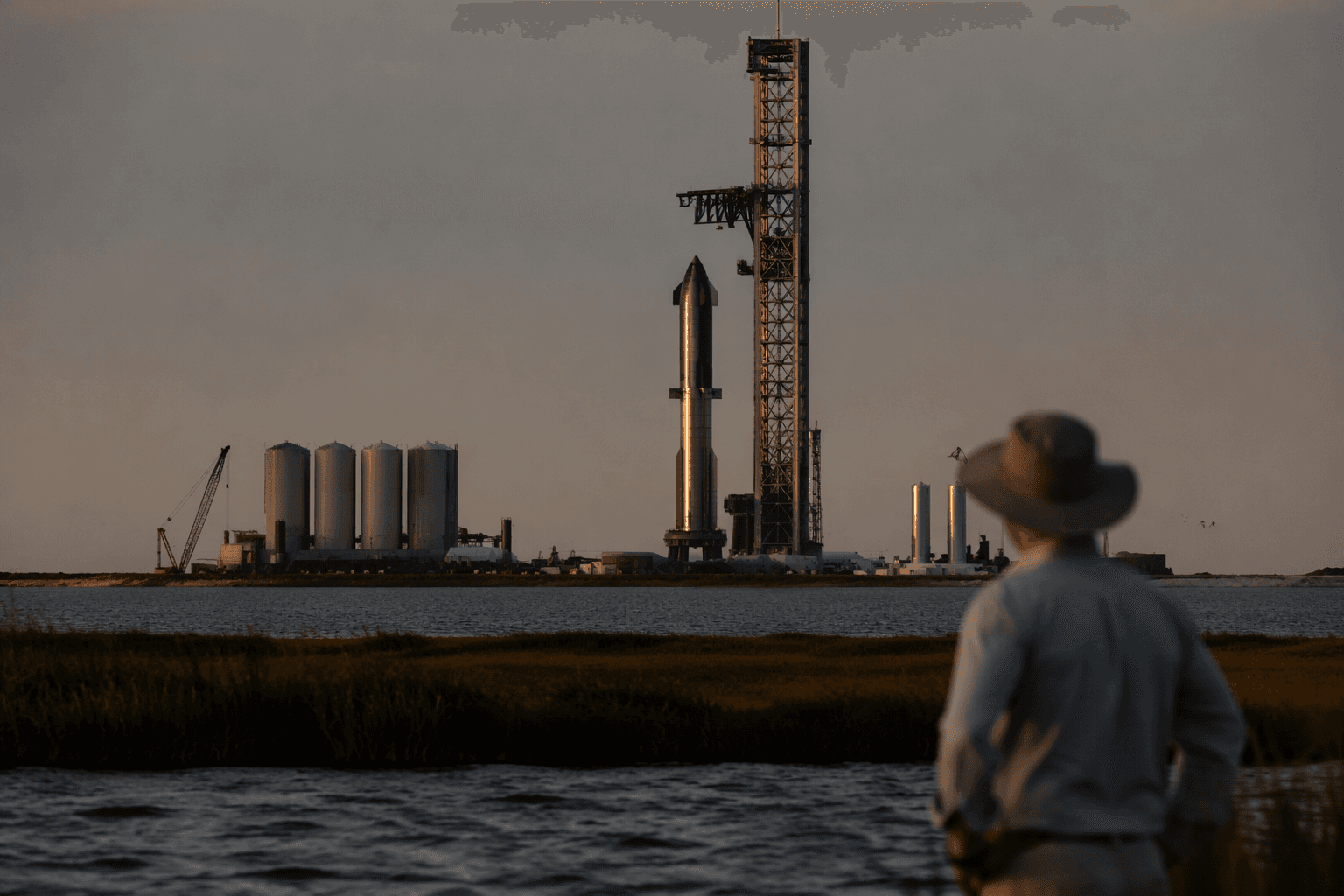
Data-center water use is real, but it is still a small slice of total U.S. demand. The issue has become more visible because the AI boom is driving new construction across the country, and those new buildings are often being sited where water is already scarce or contested. That makes the problem less about national gallons and more about whether a single county, city or watershed can support another large industrial load.
A 2024 Lawrence Berkeley National Laboratory report, prepared by researchers including Joseph W. Kane, Arman Shehabi, Sarah J. Smith, Alex Hubbard, Alex Newkirk, Nuoa Lei, Md Abu Bakar Siddik, Billie Holecek, Jonathan Koomey, Eric Masanet and Dale Sartor, updated the federal government’s 2016 data-center study and projected demand scenarios out to 2028. The report was supported by the U.S. Department of Energy’s Office of Energy Efficiency and Renewable Energy and reviewed by experts from roughly 50 organizations, a sign that the debate is no longer niche or theoretical.
That breadth matters because the economics have changed. Tech companies are investing billions in new facilities, state and local governments are chasing jobs and tax revenue, and utilities and regulators are left to decide how much growth a water system can handle before the trade-offs become visible to ratepayers and residents.
How much water a server farm can actually use
Brookings puts the daily scale in concrete terms. A typical data center can use about 300,000 gallons of water per day, while large facilities can reach about 5 million gallons per day. Those numbers are serious, but they still need to be read against the national total of 322 billion gallons per day and the 118 billion gallons used for irrigation alone.
The cooling challenge is also likely to grow. Brookings projects that water used for cooling could increase by 870 percent in coming years as more facilities come online. That is the part of the story that deserves attention: not that data centers already dominate U.S. water use, but that their footprint can expand quickly if construction and cooling choices lock in high demand.
Technology can reduce that burden. Brookings says closed-loop cooling can cut freshwater use by up to 70 percent, and it points to air cooling and immersion cooling as alternatives companies are using to limit demand. Those design choices matter because a facility’s water use is not fixed. It changes with location, climate, equipment and how aggressively operators pursue efficiency.
There is also a second layer that often gets missed. Direct cooling is only part of the picture. Electricity generation and manufacturing can create additional indirect water needs, which means the total water footprint of a data center is not just the water flowing through the building itself. That broader accounting matters when policymakers compare a new server campus with other uses for the same basin or utility network.
Why the politics are local, even when the numbers are national
The water question around AI is becoming political because the benefits and costs do not land in the same place. The economic upside is usually framed in jobs, construction spending and tax base growth, while the downside shows up in permits, utility planning, groundwater pressure and community concerns about who gets water first when supplies tighten. In water-stressed regions, a new data center can look less like a digital investment and more like a competing claim on a finite resource.
Microsoft has tried to answer some of that scrutiny by saying its data centers use 90 percent less water than its earliest facilities. That kind of improvement matters, especially as operators face pressure to build more efficient systems and reduce freshwater dependence. But even large efficiency gains do not erase the central tension: every new facility still has to be connected to a real water and power system, in a real place, with real limits.
The practical takeaway is straightforward. AI is not America’s biggest water user, and it is not close. Farms, power plants, lawns and toilets still define the national picture. But data centers are becoming a politically sensitive use because their demand is concentrated, their growth is fast, and their local impact can collide with drought, permitting and public anger long before the national numbers move very much.
This article was produced by Prism’s automated news system from verified source data, official records, and press releases, then run through automated quality and moderation checks before publishing. The system is built and supervised by the people who set the standards it runs under. Read our full AI policy.
Know something we missed? Have a correction or additional information?
Submit a Tip