Android 17 adds foldable gaming mode with virtual gamepad split screen
Android 17 is adding a foldable-only gaming mode that splits the screen in half, putting gameplay on top and a virtual gamepad below. Google is pairing it with button remapping and performance tweaks aimed at making foldables feel less awkward for play.
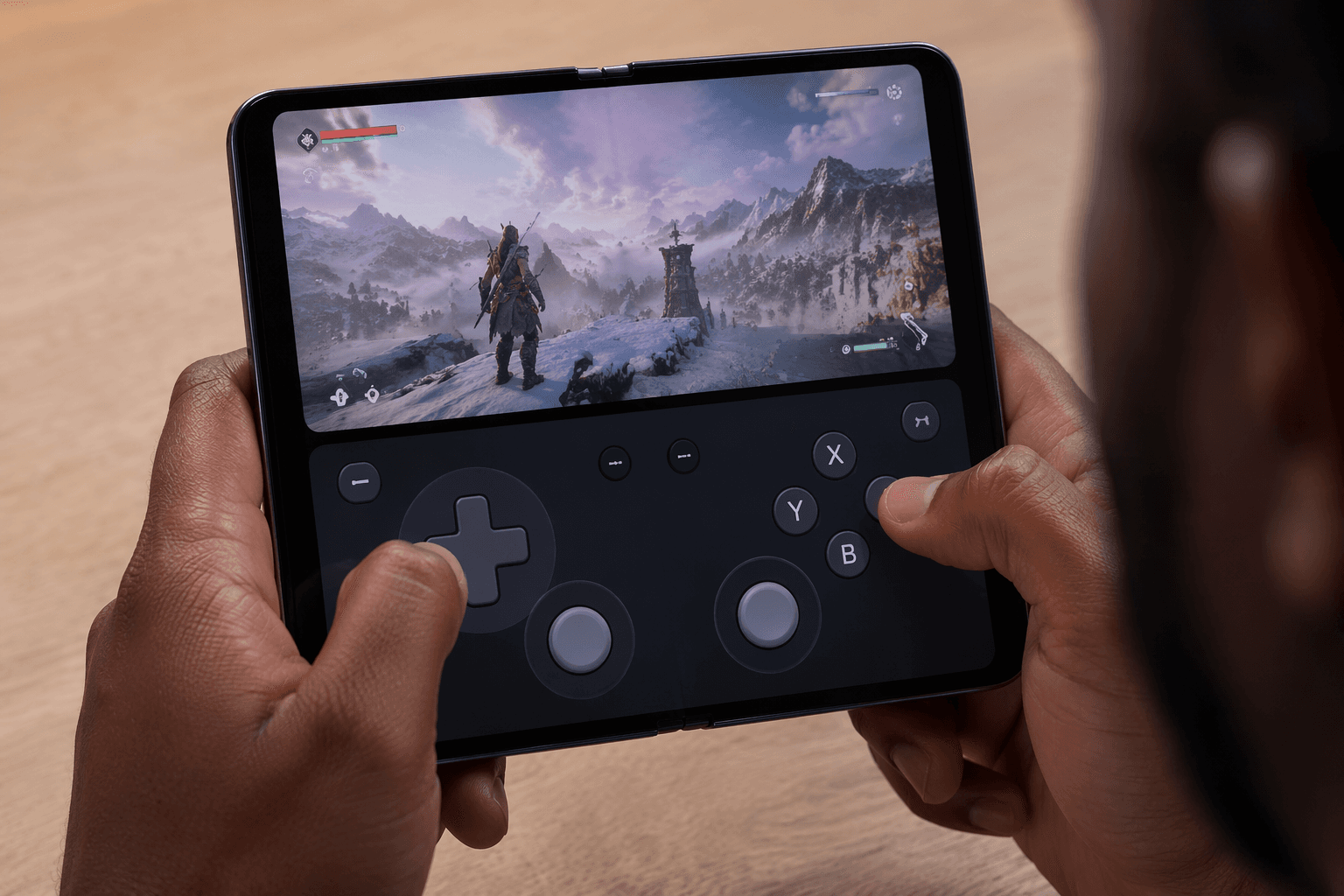
Google is pushing Android 17 onto Pixel devices with a new foldable gaming mode that replaces the old stretched-touch compromise with a 50/50 split screen. Gameplay stays in the top half of the inner display while the bottom half becomes a virtual controller with buttons and joysticks, a setup designed to make foldables feel closer to a handheld console.
The company says the new controls are built into the system, so the virtual gamepad emulates physical button presses rather than simply layering touch inputs over a game. Android 17 also adds native game controller remapping, letting players customize buttons and axes instead of being locked into default mappings.
Google says the foldable gaming mode will arrive in the coming months rather than immediately at Android 17 launch. That delay puts the feature in line with the broader rollout of Android 17, which is starting on Pixel devices first and then moving to other eligible Android phones throughout 2026.
The pitch is aimed squarely at one of the clearest barriers to foldable adoption: the hardware can offer a bigger screen, but games have often failed to take advantage of it in a way that feels natural. On many foldables, the benefit has been more space without a better control scheme, leaving players to stretch thumbs across interfaces designed for smaller phones. Google is trying to change that by turning the lower half of the screen into dedicated controls, a layout the Android developers site says can make a foldable device feel like a “gaming machine.”
Android 17 is also supposed to improve performance during high-definition gaming and reduce frame drops, which matters as much as the control layout for mainstream buyers weighing expensive foldables against traditional phones. Google has been expanding foldable-specific software support over time, including rear display mode and dual-screen mode, and the new gaming tools extend that effort into one of the category’s most visible uses.
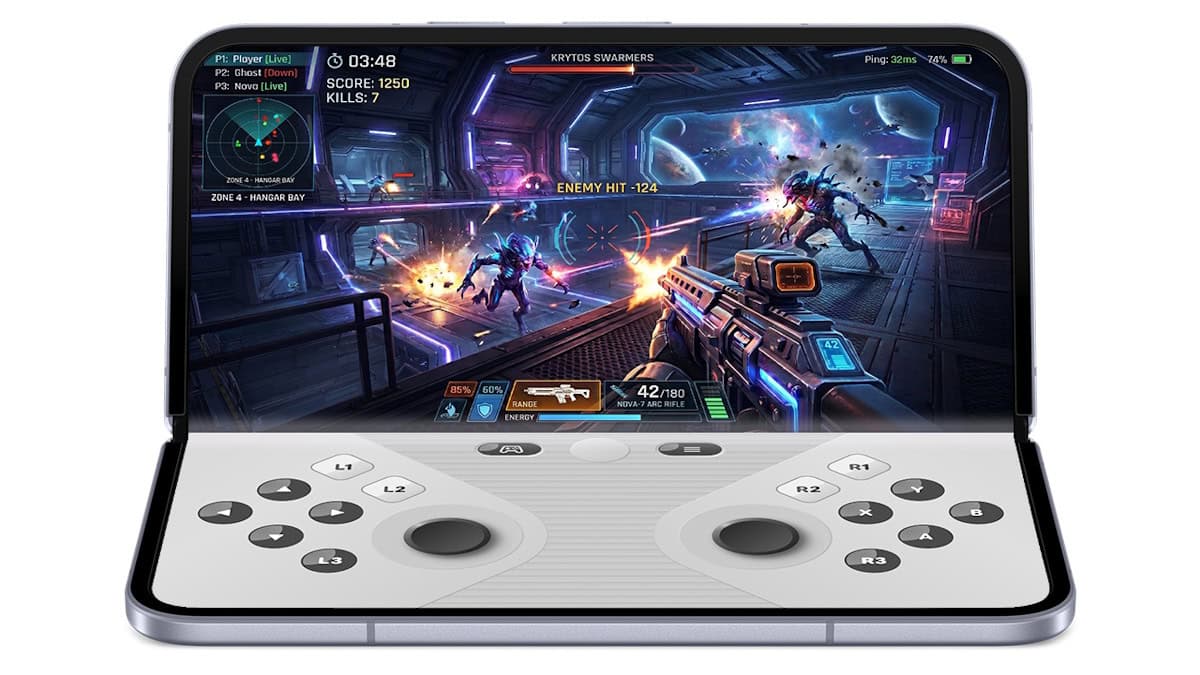
The question now is whether software can solve the adoption problem that hardware alone has not. A split-screen gamepad may make foldables more usable for gaming, but it also underscores how long the category has lacked a default experience that feels genuinely built for the form factor.
This article was produced by Prism’s automated news system from verified source data, official records, and press releases, then run through automated quality and moderation checks before publishing. The system is built and supervised by the people who set the standards it runs under. Read our full AI policy.
Know something we missed? Have a correction or additional information?
Submit a Tip