SpaceX plans Starbase natural gas pipeline to speed Starship launches
SpaceX is planning an eight-mile gas line to Starbase as Starship fuel demand strains a truck-based supply chain. The route cuts through wetlands and faces fresh scrutiny in Texas.
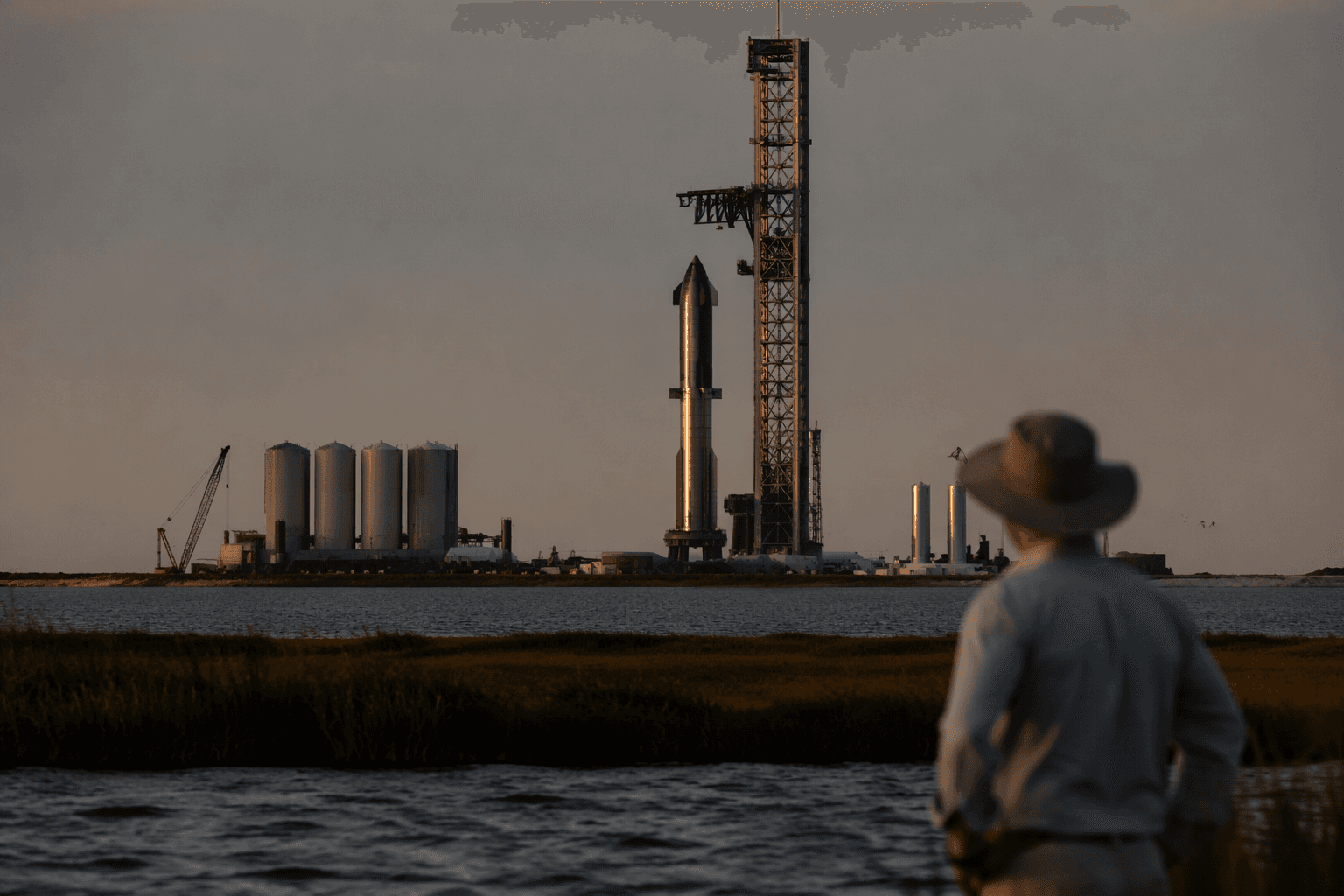
SpaceX plans to start building an eight-mile natural gas pipeline called Starpipe next month to feed its Texas launch site, with county filings pointing to service by January 2027. The line would run to Starbase, the company’s company town on the Gulf Coast, and cross sensitive land near the Brownsville Ship Channel.
The pipeline would give SpaceX a direct supply of liquid methane for Starship, which is central to Elon Musk’s plans for faster launch rates and bigger ambitions in orbit and beyond. Each launch uses about 630,000 gallons of liquid methane, a fuel now brought in by hundreds of tanker trucks, a process that has become a bottleneck for a program meant to fly far more often.
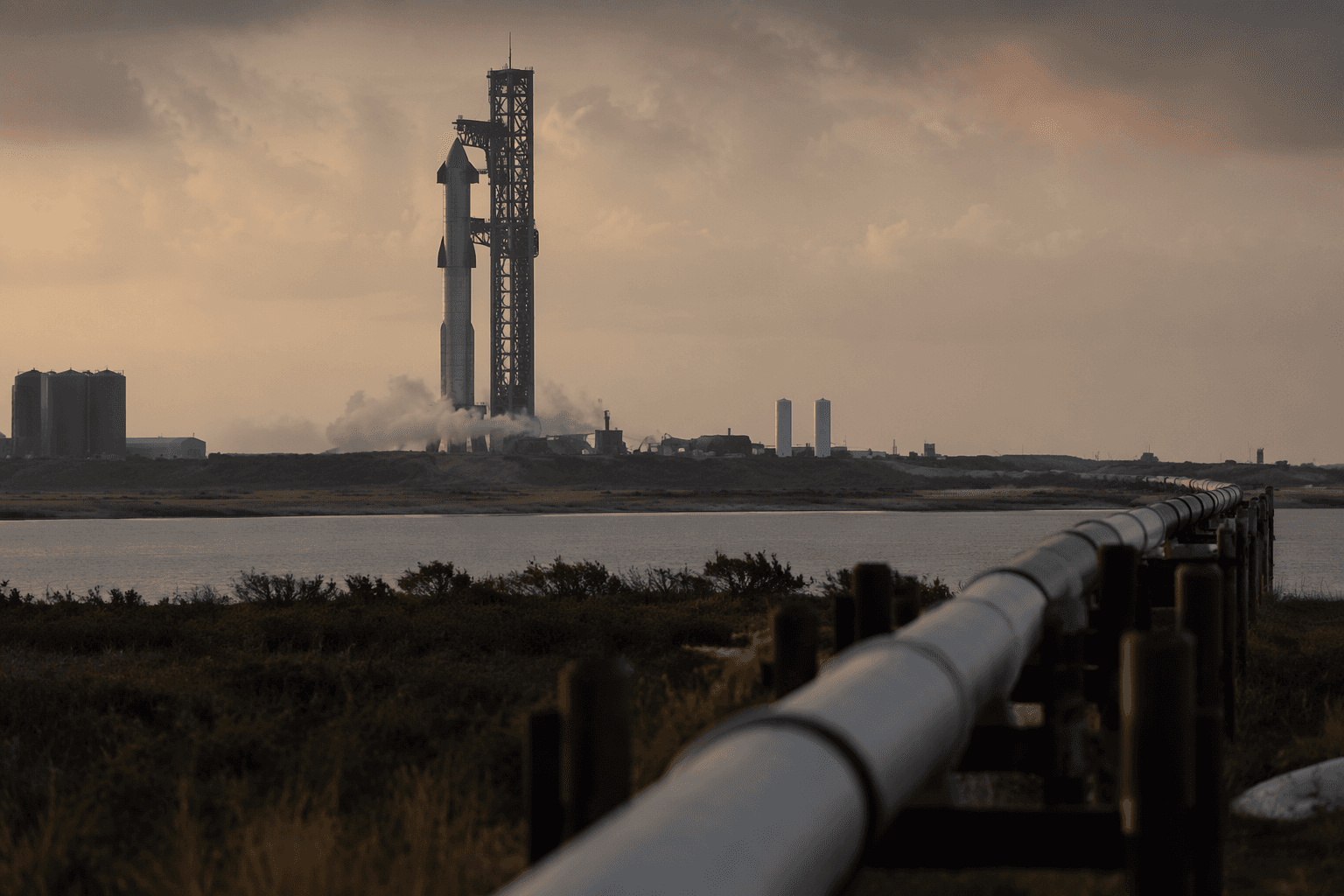
The project underscores how much old-style industrial infrastructure still sits underneath the commercial space race. RGV Business Journal described the line as a 16-inch natural gas transmission pipeline stretching more than eight miles from the north side of the Brownsville Ship Channel to the launch pad facility on the south side, crossing Port of Brownsville property, wildlife refuge wetlands and the new city of Starbase.
SpaceX’s push for its own fuel line also tracks with its plans to ratchet up Starship and Super Heavy operations at Boca Chica. Federal Aviation Administration planning documents cite a proposal for up to 25 annual orbital launches and up to 25 annual landings each of Starship and Super Heavy, a scale that makes truck-delivered methane look increasingly impractical.
The Port of Brownsville Navigation District board approved a 30-foot-wide right-of-way easement for SpaceX in late May, clearing one local hurdle for the project. Land records have also suggested the company has spent years exploring drilling operations near Starbase and elsewhere in Texas, hinting that Starpipe may be only one piece of a larger effort to control fuel and other inputs on site.
The stakes reach beyond SpaceX’s launch cadence. NASA says Artemis III is planned for 2027, and SpaceX is developing the Starship Human Landing System for lunar missions, tying the Starbase buildout to national space policy as well as commercial payloads. At the same time, environmental groups and South Texas activists have kept up their opposition to SpaceX expansion at Starbase, with the South Texas Environmental Justice Network warning for years about pollution and coastal damage concerns around Boca Chica Beach, the Port of Brownsville area and nearby wetlands.
SpaceX’s pipeline plan shows that the future Musk is selling still depends on a heavy, local, and contested infrastructure footprint. The faster Starship is meant to fly, the more pressure it puts on the land and communities surrounding the launch pad.
This article was produced by Prism’s automated news system from verified source data, official records, and press releases, then run through automated quality and moderation checks before publishing. The system is built and supervised by the people who set the standards it runs under. Read our full AI policy.
Know something we missed? Have a correction or additional information?
Submit a Tip