Amnesty Accuses Nigerian Military of Detaining 1,500 Fulani Pastoralists
Amnesty said about 1,500 Fulani pastoralists were held for months in Kwara, where at least 150 died, many children, amid hunger, disease and blocked movement.
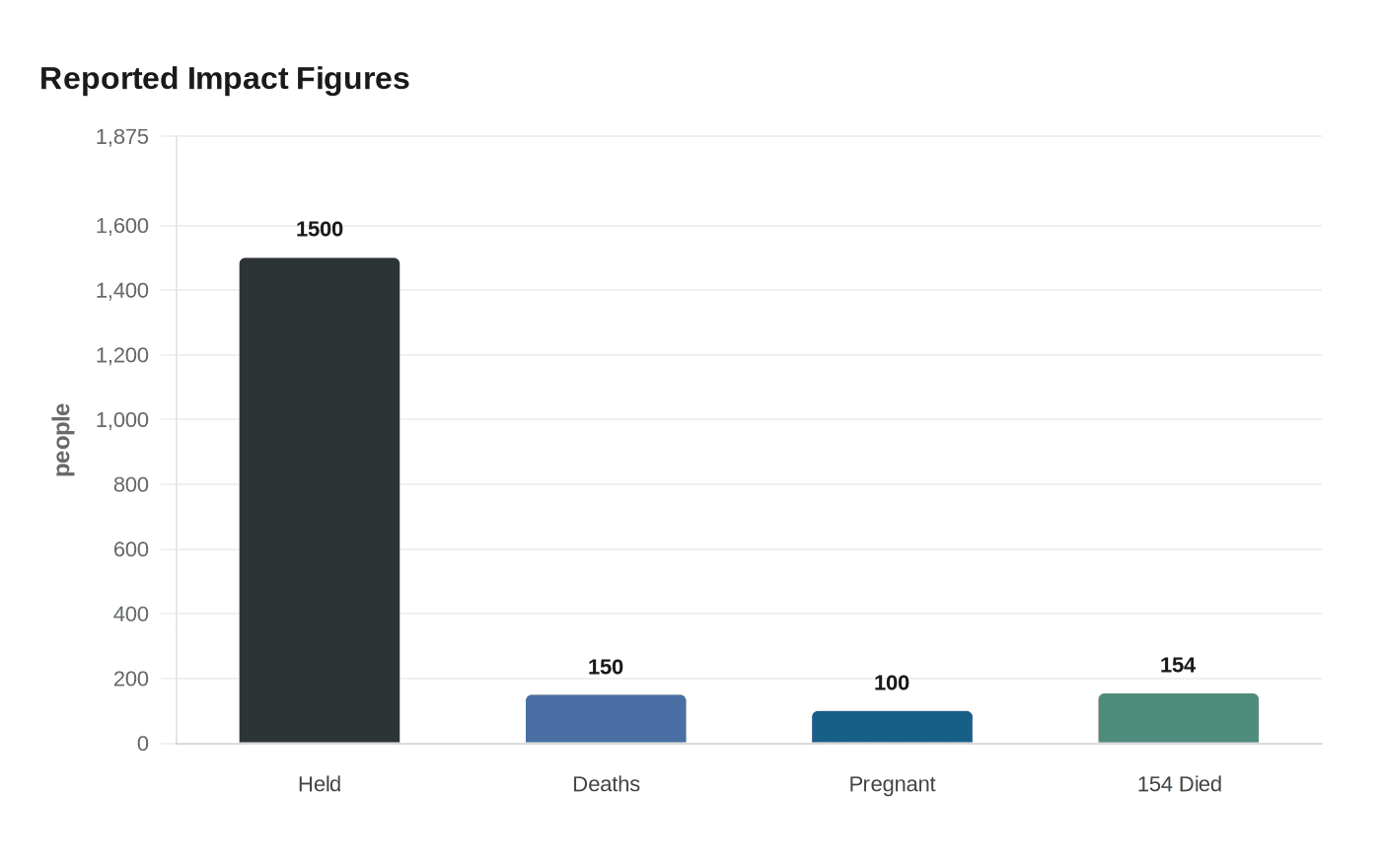
Amnesty International accused the Nigerian military of holding about 1,500 Fulani pastoralists at a camp in Kwara State for three months, in conditions it said contributed to the deaths of at least 150 people, most of them children. The group said the detainees were kept at the National Youth Service Corps Orientation Camp in Yikpata after fleeing violence in their home communities.
Amnesty said the detentions followed escalating attacks by armed groups and bandits in Asa, Edu, Ifelodun and Patigi local government areas, after which military operations began in January 2026 and some villagers were told to leave their homes for clearance operations. The rights group said the displaced families were then taken to the camp, where they faced overcrowding, unsanitary surroundings, severe limits on movement, acute malnutrition and disease.
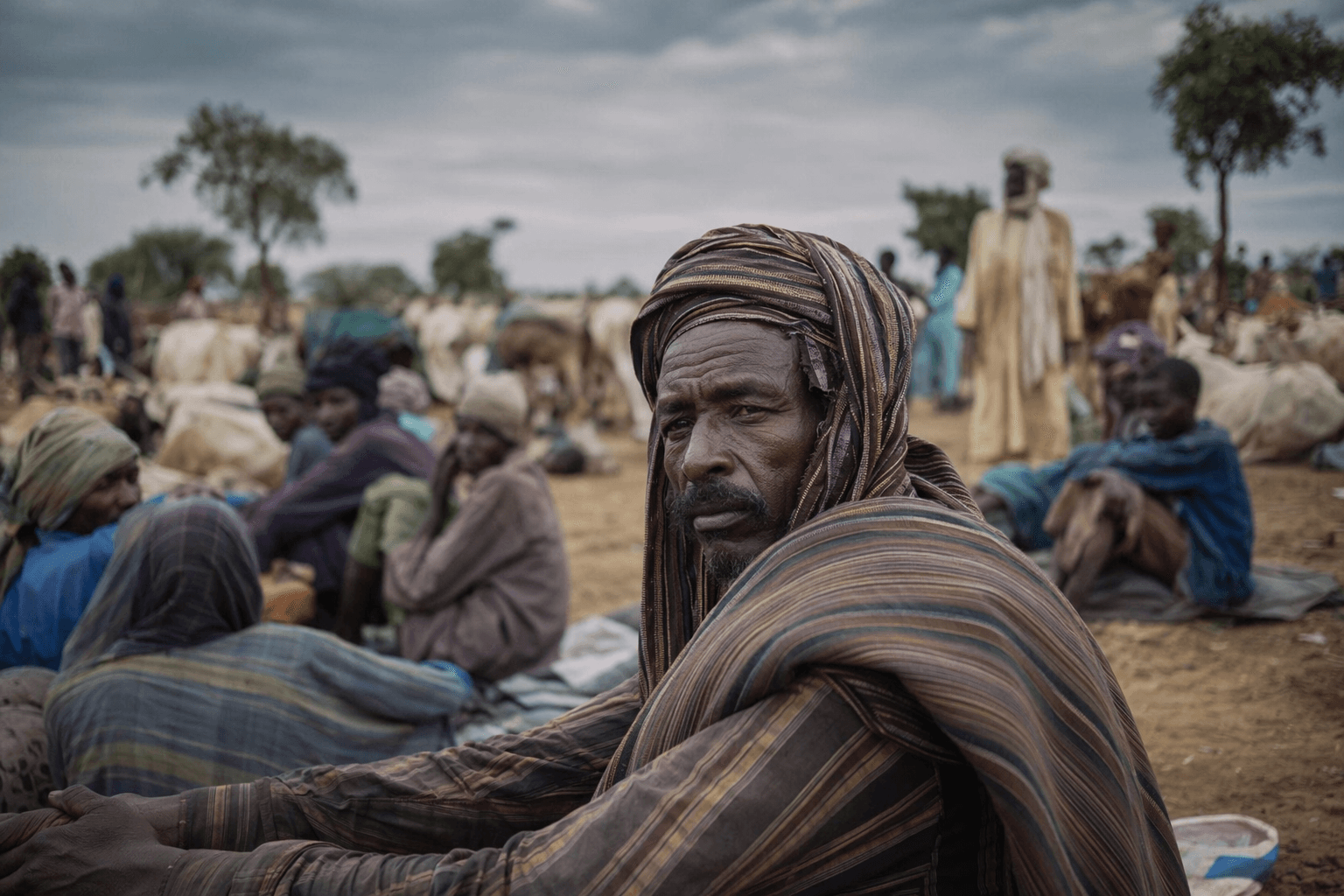
The report said Amnesty researchers visited the camp and nearby communities between April 5 and April 11, interviewing 30 detainees, survivors and family members and speaking with 60 people in affected areas. It said images from the site showed children with visible ribs and shoulder blades, while some detainees were too weak to walk. Amnesty also said at least 100 pregnant women faced life-threatening complications because of inadequate maternal care.
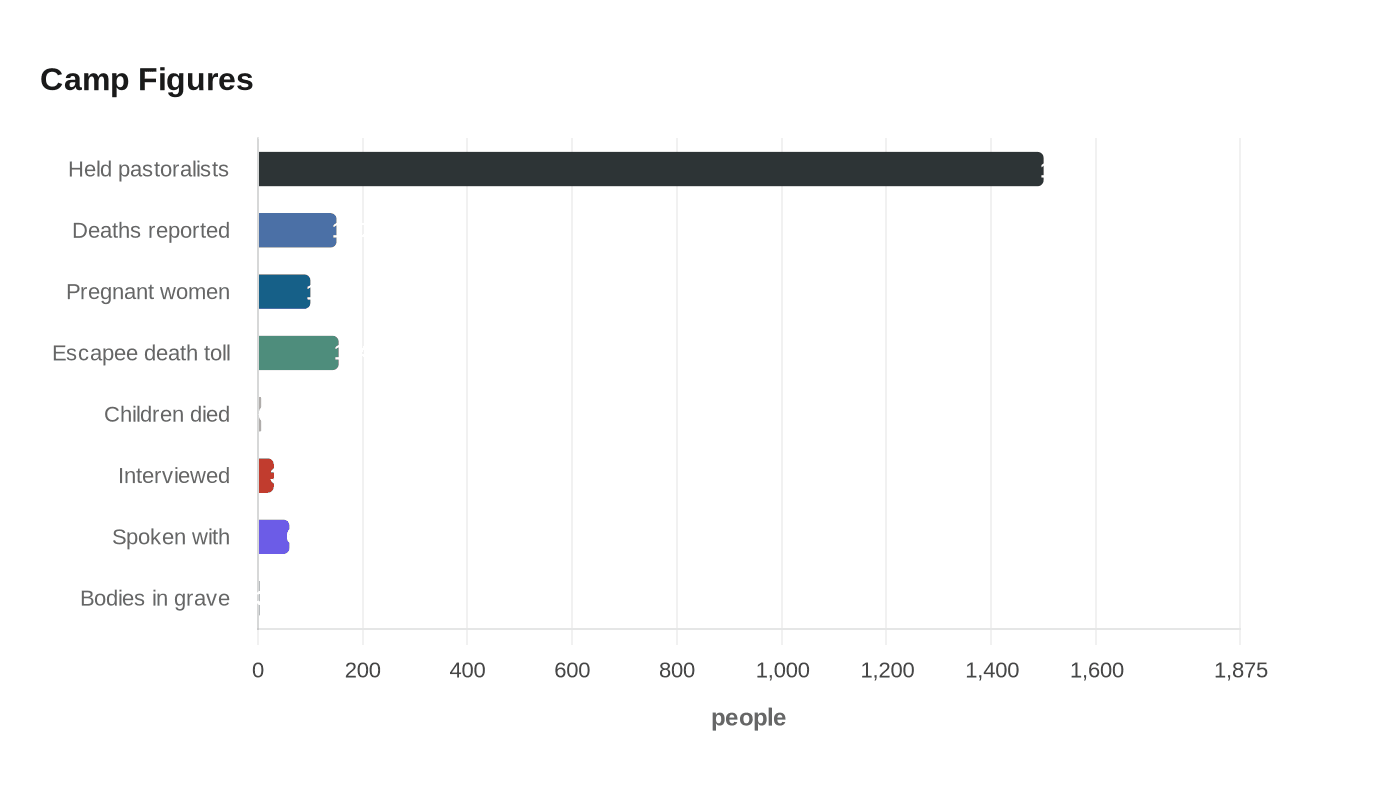
The death toll described in the report points to a humanitarian emergency inside a security operation. Amnesty said residents pooled 60,000 naira, about $44, to buy burial shrouds, and that three bodies were buried in a single grave as deaths mounted. One escaped man told the organization that 154 people had died from hunger and disease, including six children on the day he escaped.
Isa Sanusi, Amnesty International’s director in Nigeria, said Fulani communities were facing persecution from both armed groups and the military, and urged authorities to promptly investigate and bring suspected perpetrators to justice. The Nigerian military rejected the allegations. Major General Michael Onoja said there was “no verifiable evidence” and that the report lacked veracity.
The findings sharpen scrutiny on Nigeria’s counterinsurgency tactics in the northwest and north-central belt, where civilian displacement, forced confinement and inadequate care can turn security operations into deadly detention systems. Amnesty said the authorities must conduct a prompt, thorough, independent, impartial, transparent and effective investigation into the reported deaths and the conditions that produced them.
This article was produced by Prism’s automated news system from verified source data, official records, and press releases, then run through automated quality and moderation checks before publishing. The system is built and supervised by the people who set the standards it runs under. Read our full AI policy.
Did this article answer your question?