Andhra Pradesh reports 325 suspected heatstroke cases as India swelters
Andhra Pradesh logged 325 suspected heatstroke cases by May 19, with a third reported in May alone as heat alerts spread across India.
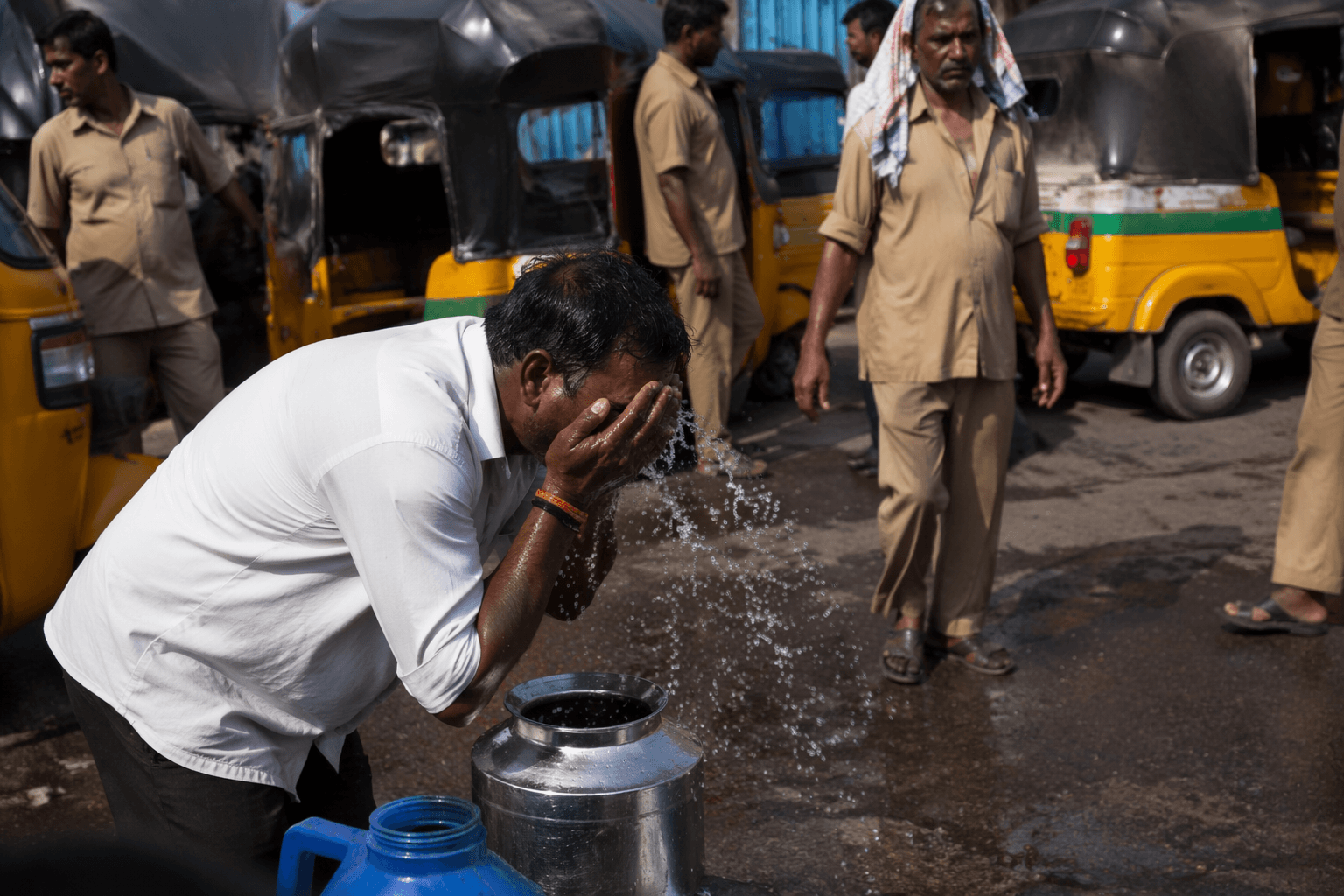
Andhra Pradesh has logged 325 suspected heatstroke cases since March 1, and roughly a third of them were reported after May began, a sharp rise that shows how quickly the heat burden has escalated before summer has even peaked. State officials said no deaths had been reported so far, but the numbers already point to a public-health system under mounting strain.
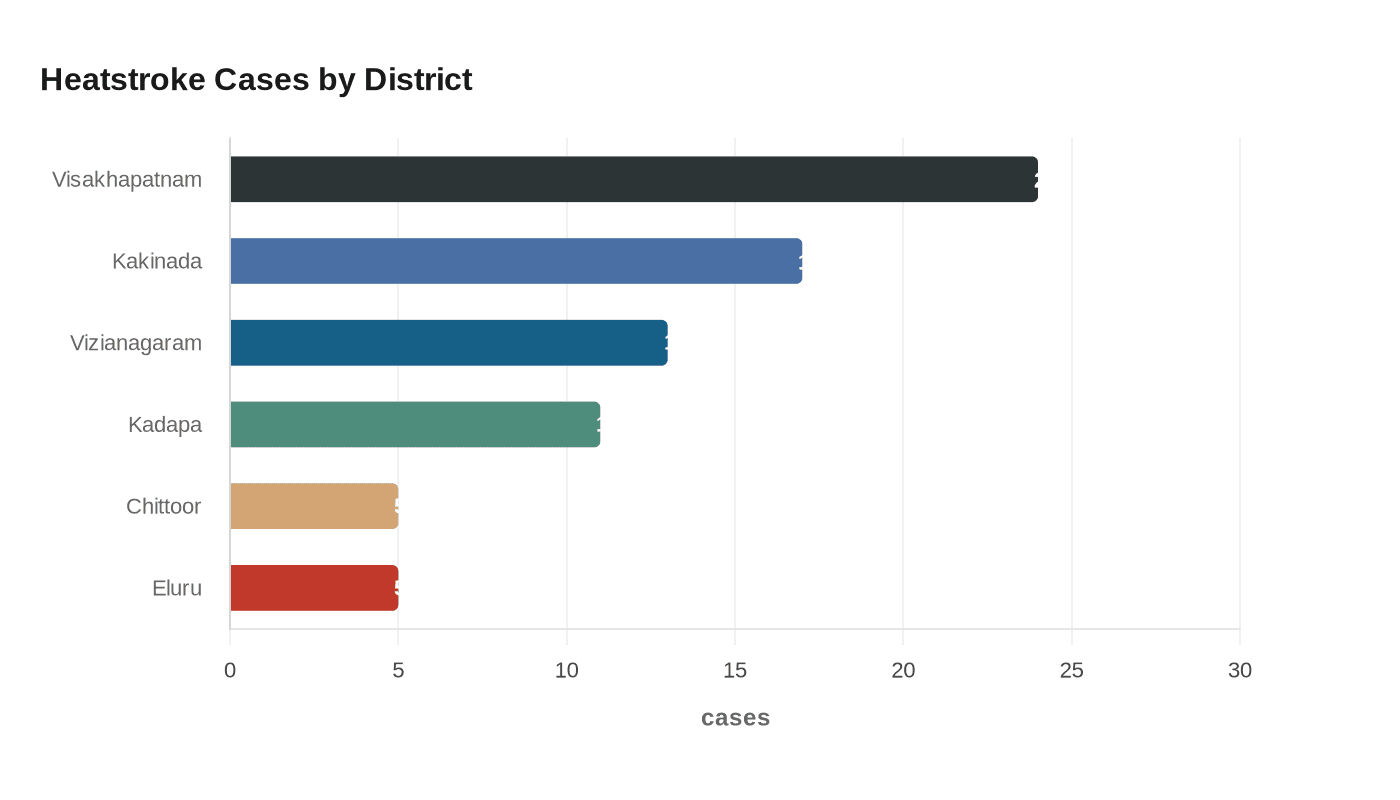
District-level figures underscore how unevenly the crisis is hitting. Visakhapatnam recorded 24 suspected cases, followed by Kakinada with 17, Vizianagaram with 13, Kadapa with 11, and Chittoor and Eluru with five each. Health minister Satya Kumar Yadav reviewed the situation with senior health officials at the Secretariat as the state government urged residents to avoid outdoor exposure between 11 a.m. and 4 p.m., the hottest stretch of the day.
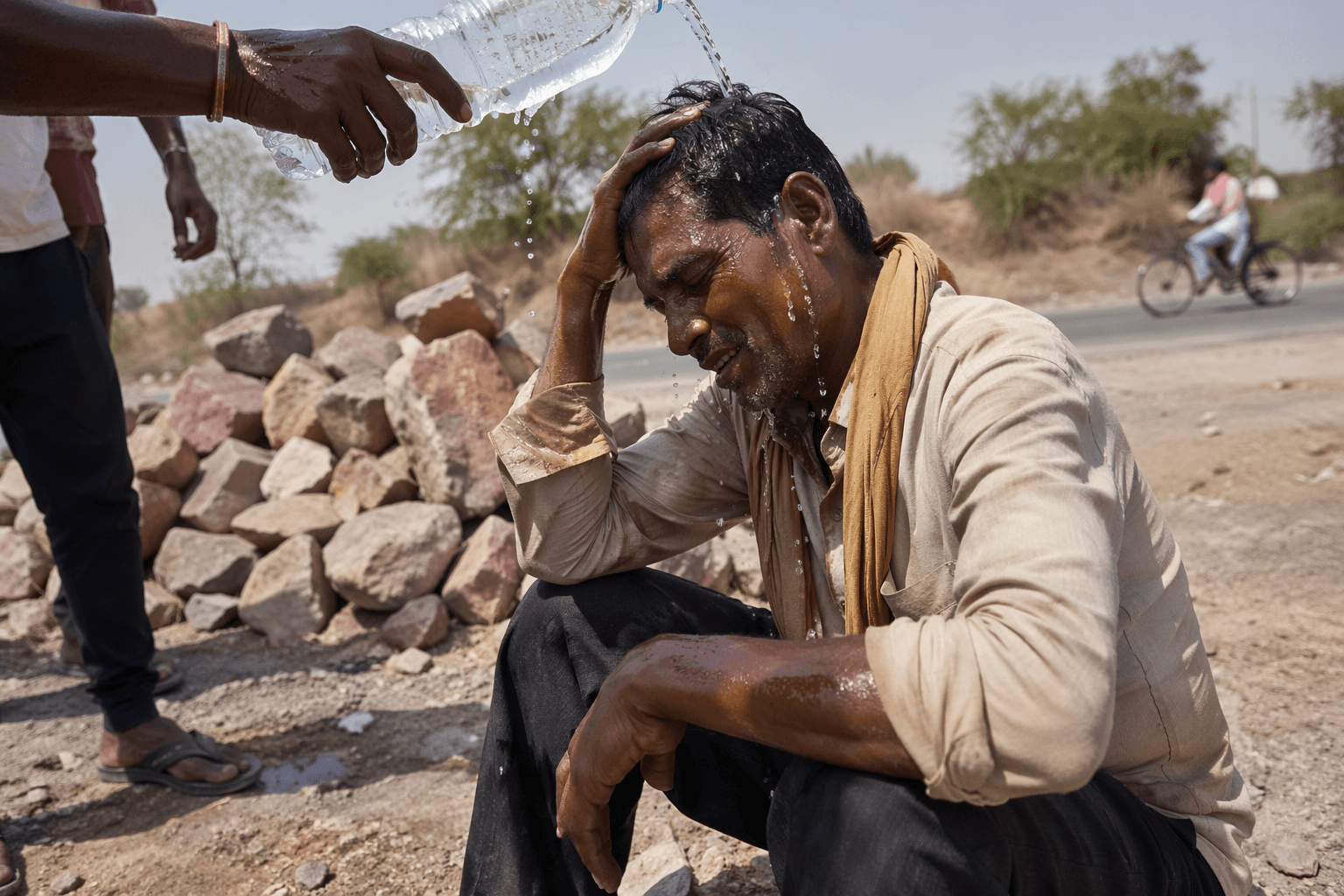
The warning signs are not limited to Andhra Pradesh. The India Meteorological Department warned that Delhi and large parts of northern India would face heatwave to severe heatwave conditions from May 22 through May 27, while local reporting from Delhi said two heatstroke patients were in critical condition at a state-run hospital. In parts of coastal Andhra, authorities stepped up alerts, placed urban local bodies on high alert in some districts and issued orange alerts for areas including Eluru, West Godavari, East Godavari and Konaseema.
The medical danger is immediate. Heatstroke is a medical emergency that can trigger confusion, dizziness, nausea, seizures, loss of consciousness and organ failure if treatment is delayed. The World Health Organization says May is typically the peak month for heatwaves in India, and the India Meteorological Department defines heatwave conditions in the plains when temperatures reach at least 40 degrees Celsius and run 4.5 to 6.4 degrees above normal, with severe heatwave conditions above 6.4 degrees or at 47 degrees and higher. Those thresholds are not academic. They are the line between discomfort and life-threatening illness.
The pressure is already spilling beyond heatstroke alone. Hospitals in some regions are seeing patients with diarrhea and dehydration, and Gujarat has reported water shortages. India’s Health Ministry has told states and union territories to prepare heatstroke management units, stock oral rehydration solution and keep ambulance services operational throughout the April-June heat season. The warning comes with hard precedent: India recorded 7,192 suspected heatstroke cases and 14 confirmed deaths between March 1 and June 24 in 2025, and experts say routine surveillance still captures only part of the real toll. As temperatures rise earlier and more often, heat is becoming not just a weather event, but a mass-casualty public-health threat.
Know something we missed? Have a correction or additional information?
Submit a Tip