Andreessen Horowitz Raises Over $15 Billion to Back AI, Defense
Andreessen Horowitz announces a record fundraising of more than $15 billion across five new funds, signaling a major recommitment to artificial intelligence, infrastructure and defense-related startups. The haul enlarges the firm’s firepower as venture capital concentrates into ever-larger pools, with implications for competition, national security policy and the future direction of U.S. technology.
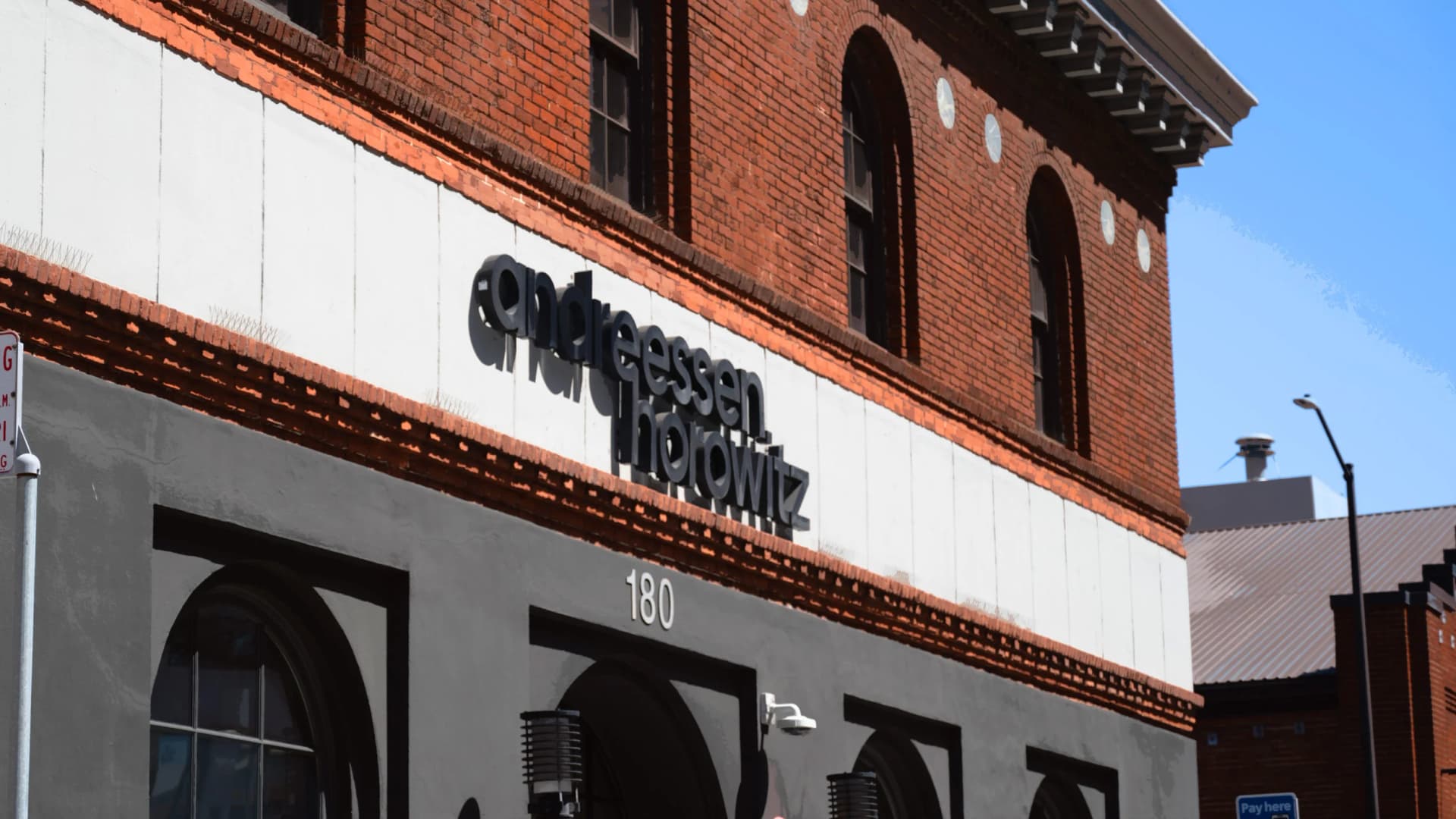
Andreessen Horowitz announces it has raised more than $15 billion across a set of new funds, the largest single fundraising in the firm’s history and a decisive bet on AI, infrastructure and defense technology. The move, revealed on Jan. 9, 2026, follows a prior major raise in April 2024 when the firm brought in $7.2 billion across five funds and pushes the firm’s assets under management to north of $90 billion.
The firm’s new allocations include a $6.75 billion growth fund; a $1.7 billion apps fund; a $1.7 billion AI infrastructure fund; a $1.176 billion American Dynamism fund focused on defense and national-security technologies; and a $700 million biotech and healthcare fund. An additional allocation of roughly $3.0 billion has been earmarked for other venture strategies, bringing the components to just over the stated total. These line-item allocations concentrate large-scale, later-stage capital into sectors where venture-backed companies are moving quickly to commercialize advanced AI systems and dual-use technologies.
The size and composition of the raise underscore how venture capital is reshaping around a small set of mega-funds. Andreessen Horowitz now sits among the largest players in private capital, approaching the scale of legacy firms and increasing its influence over which companies and technologies receive sustained, patient financing. The firm’s co-founder, Ben Horowitz, framed that mission forcefully in a blog post, writing that as "the American leader in Venture Capital, the fate of new technology in the United States rests partly on our shoulders" and that a16z seeks to help "ensure that America wins the next 100 years of technology." Horowitz also asserted that the new raise represents over 18 percent of all U.S. venture capital dollars allocated in 2025, a reflection of the degree to which capital is concentrating at the top of the market.
For startups, the new pools mean deeper pockets for later-stage rounds, faster pathways to scale for capital-intensive infrastructure plays, and stronger competition for talent as firms backed by substantial growth and infrastructure funds accelerate hiring. For investors, mega-funds offer the potential for outsized returns through access to big follow-on checks, but they also magnify portfolio concentration and liquidity risk.

The defense- and national-security-focused American Dynamism fund is notable for public policy reasons. Its $1.176 billion commitment signals growing private-sector appetite to partner with government and build commercial supply chains with defense applications. The involvement of large institutional investors, including sovereign wealth funds and at least one investor from Saudi Arabia, further raises questions about geopolitical exposure and the governance of sensitive technology investments. Policymakers and regulators are likely to scrutinize such capital flows more closely as commercial AI and defense capabilities intersect.
How Andreessen Horowitz deploys this capital will shape key technology markets over the next several years: who wins funding, which platforms scale, and how public and private priorities align on sensitive technologies. The raise crystallizes a longer-term trend toward concentration and specialization in venture capital, with outsized implications for innovation, competition and national security policy.
Know something we missed? Have a correction or additional information?
Submit a Tip