Anonymous Polish Donor's 9-of-10 Match Leads to Wake County Child's Transplant
A Wake County child born with severe combined immunodeficiency received a bone marrow transplant after an anonymous donor in Poland matched 9-of-10; public outreach helped generate the registry swabs that made the match possible.

A Wake County child, Charlotte Akers, born with severe combined immunodeficiency, received a bone marrow transplant on Aug. 14, 2025 after months on the National Marrow Donor Program registry. The lifesaving match came from a previously anonymous donor living in Poland who matched 9-of-10 on the human leukocyte antigen scale, a level of compatibility that allowed physicians to proceed with the transplant.
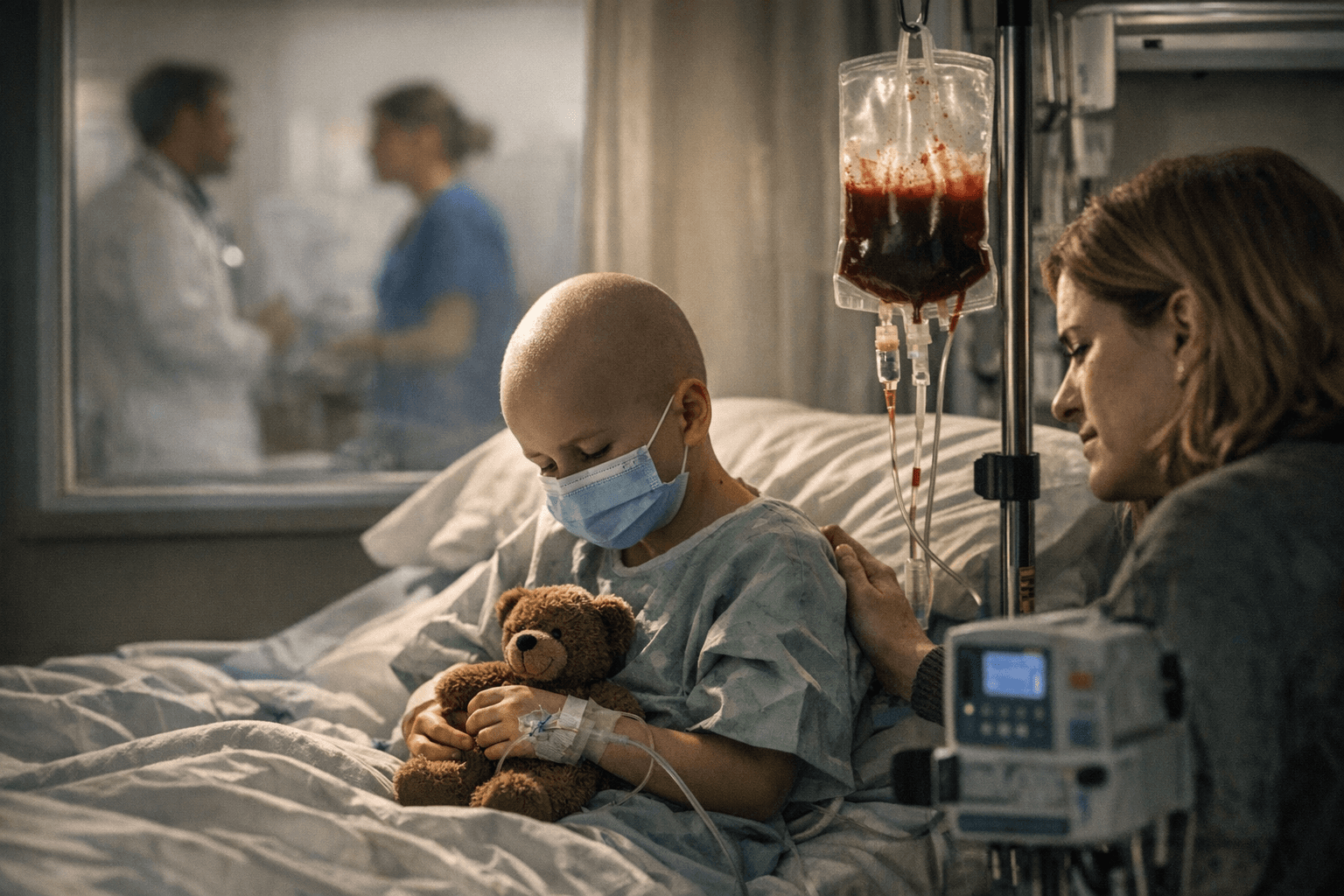
Charlotte’s family had kept strict isolation precautions at home while waiting for a match. Treatment and recovery for pediatric bone marrow transplants are lengthy and complex; Charlotte remains under careful medical supervision as she moves through the early stages of immune reconstitution. Doctors and the family report cautious optimism as the child shows signs of recovery, though the long road to full immune recovery will require continued monitoring, infection prevention, and clinic visits.
The match followed a local public outreach campaign that encouraged residents to join the national registry and submit cheek-swab kits. Those community efforts increased the number of samples on file, broadening the pool of potential donors and ultimately contributing to the transatlantic match. The case underscores how local awareness campaigns can translate into concrete medical outcomes for families facing rare conditions.
For Wake County residents, the story highlights both personal and public health implications. Severe combined immunodeficiency is a life-threatening condition in infants that leaves them unable to fight infections without a functioning immune system. Bone marrow and stem cell transplants can be curative but depend on finding genetically compatible donors. Increasing registry diversity improves chances for patients of all backgrounds to find matches, making community outreach and participation an equity issue as much as a medical one.
The National Marrow Donor Program registry uses cheek-swab kits to collect tissue-typing information and maintains anonymity between donor and recipient until both parties agree to meet. Matches are scored by HLA compatibility; a 9-of-10 match is considered acceptable for many transplants when balancing risks and benefits. International donors can and do participate, reflecting a global network that can reach across borders to save lives.
What this means for readers is practical and immediate: signing up for the registry and completing a swab kit can be a simple act with outsized impact. Local groups, clinics, and faith communities that help organize drives increase the odds that Wake County families will find matches at home. Charlotte’s transplant is a reminder that community action, coupled with national infrastructure, can change outcomes for vulnerable children — and that sustained support and policy attention to registry outreach and pediatric transplant care remain critical going forward.
Sources:
Know something we missed? Have a correction or additional information?
Submit a Tip

