Cary infant dies after sleeping in baby lounger, officials warn
An infant in Cary died after being placed in a baby lounger on a parent’s bed; investigators and health officials warn loungers are unsafe for unsupervised sleep and stress AAP guidance.

Police in Cary are investigating the death of an infant who was found unresponsive after sleeping in a baby lounger on a parent’s bed. Detectives say the child was placed on its back in the lounger in the middle of the parents’ bed on Tuesday. The mother fell asleep nearby and later woke to find the infant turned onto its side, unresponsive and bleeding from the nose. She called 911 and performed CPR; the infant was later pronounced dead.
Authorities executed a search warrant at the home the following day. In the warrant, a detective noted that infant loungers are cushioned products intended for supervised, awake time only. The warrant listed involuntary manslaughter as a potential offense under investigation, but the mother has not been charged. Officials said the medical examiner’s review will guide any charging decisions.
Wake County Public Health and independent safety experts at Consumer Reports reiterated that infant loungers are not designed for unsupervised sleep. Public health guidance echoed American Academy of Pediatrics recommendations that infants should sleep alone, on their backs, in a crib or bassinet to reduce the risk of sleep-related deaths.
This case highlights a persistent public health challenge in Wake County and beyond: safe sleep education and the everyday pressures on caregivers. Infant loungers and similar padded products are widely marketed for convenience, and families coping with sleep deprivation, housing limitations, or limited childcare options can face difficult decisions about where babies sleep. When cushioned products are used for sleep, the risk of suffocation or positional obstruction rises, according to local health officials.
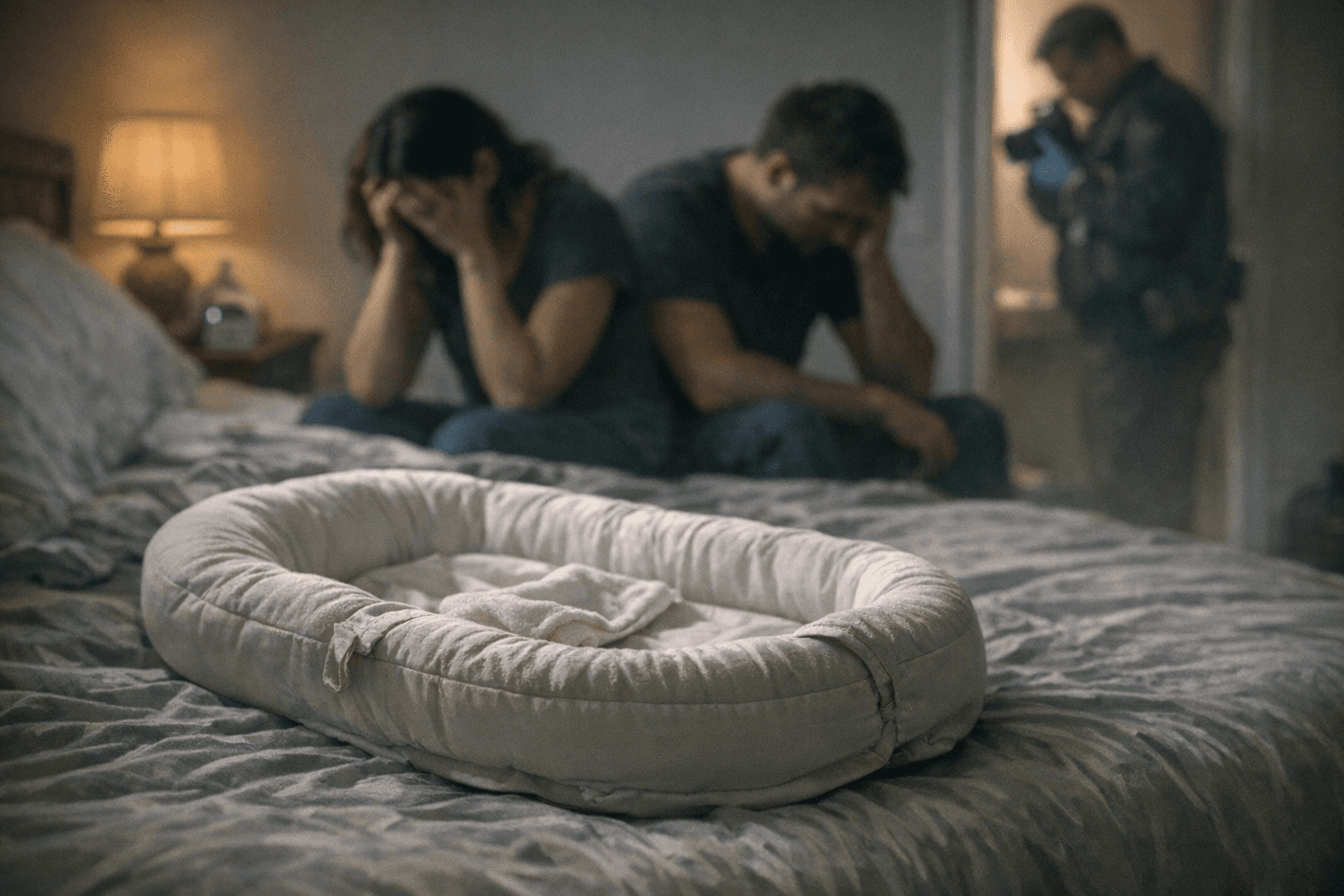
The investigation and the medical examiner’s pending review are likely to prompt renewed outreach from county health authorities and pediatric providers. For families, the immediate takeaway from health officials is clear: follow AAP safe sleep practices and avoid using loungers for unsupervised sleep. For policymakers and community organizations, the case underscores the need for culturally competent safe sleep education, accessible distribution of cribs and bassinets where cost is a barrier, and supports for exhausted caregivers navigating newborn sleep.
As the inquiry continues, Wake County residents should expect public health reminders and possibly expanded local efforts to connect families with safe sleep resources. The medical examiner’s findings will inform whether criminal charges are filed, and health leaders say the incident should prompt community-level conversations about prevention, supports for new parents, and equity in access to safe infant sleep options.
Sources:
Know something we missed? Have a correction or additional information?
Submit a Tip

