Court Records Reveal Ryan Camacho's Schizophrenia, Criminal Past in Zoe Welsh Killing
Court records show Ryan Camacho, charged in the Jan. 3 killing of Ravenscroft teacher Zoe Welsh, had documented schizophrenia and a lengthy criminal history with prior mental-health orders.

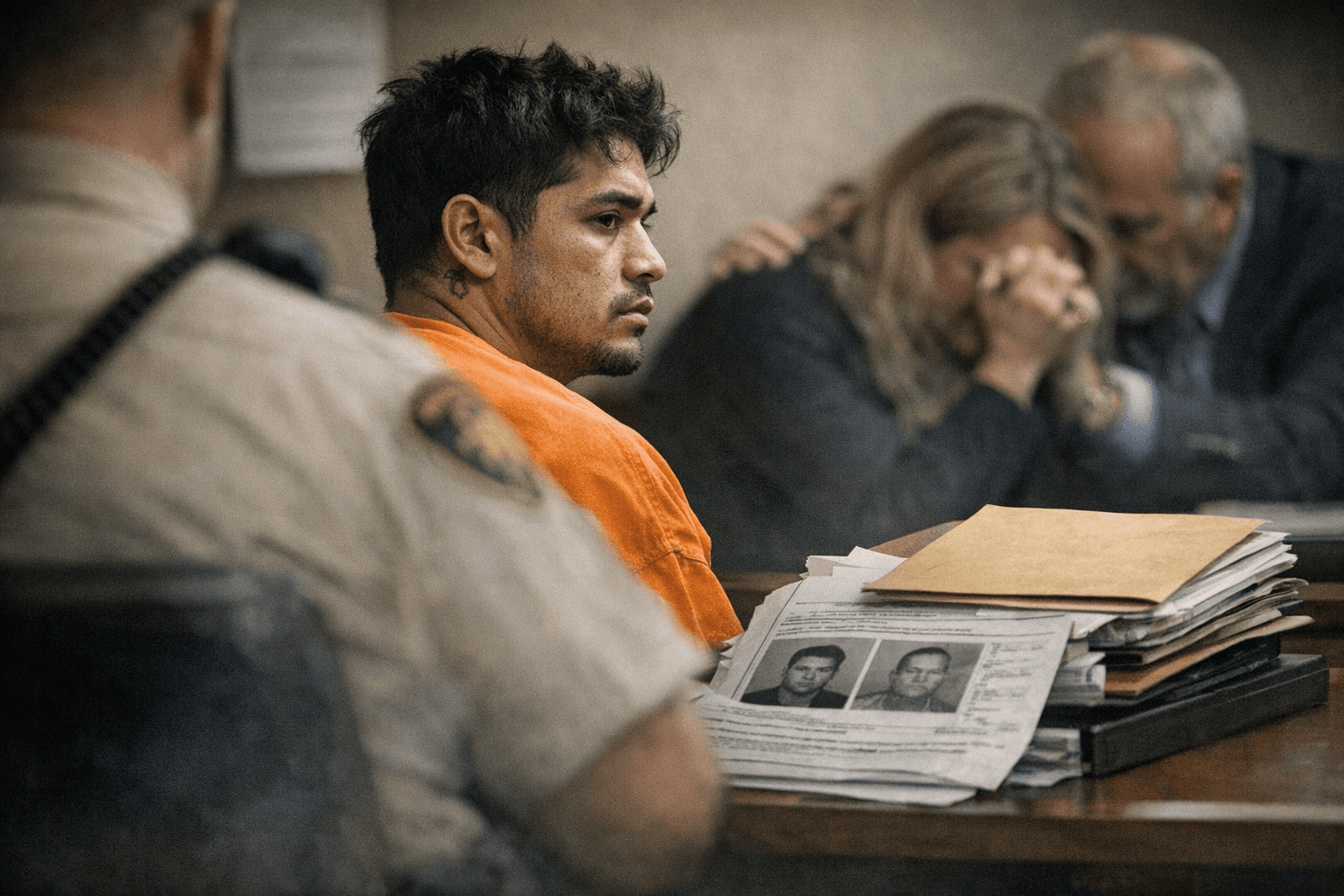
Court documents obtained by this newsroom show that Ryan Camacho, who has been charged in the Jan. 3 killing of Ravenscroft science teacher Zoe Welsh, had a long history of mental-health diagnoses and past criminal cases that drew probation and competency evaluations.
Records detail past convictions in California in 2009 and 2010 for weapon manufacturing and possession and for grand theft. Local court files also list a 2019 charge for shooting into an occupied home in Raleigh, along with numerous trespassing and misdemeanor offenses. Several case files include probation orders that required Camacho to obtain mental-health treatment. An earlier motion in one prosecution sought professional evaluation of Camacho’s competence, noting a diagnosed history of schizophrenia and intermittent auditory hallucinations.
The documents show that some felony allegations in Camacho’s past were later reduced to misdemeanors or otherwise disposed without lengthy prison terms. Those outcomes, and the series of competency rulings and mental-health assessments, have become central to scrutiny of how prior supervision and court decisions affected Camacho’s status before the killing. Local officials and community members have raised questions about whether existing processes for involuntary commitment, probation oversight, and linkage to sustained treatment were adequate in this case.
For parents, teachers, and neighbors in Wake County, the records sharpen concerns about school safety and public mental-health resources. Ravenscroft is a small but prominent community institution in Raleigh, and the death of a teacher has prompted grief and calls for answers about how someone with documented severe mental illness moved through the criminal justice system without sustained interventions that might have kept the community safer.
The revelations also feed into broader state and local policy debates. Lawmakers, clinicians, and criminal justice officials have for years wrestled with North Carolina statutes governing involuntary commitment and the high threshold courts require to confine someone for treatment. Advocates for people with serious mental illness stress the need for community-based services and careful protections for civil liberties, while public-safety proponents point to cases like this as evidence that current tools may be insufficient to prevent violent acts.
Investigations into the killing and into Camacho’s prior cases remain active. Prosecutors will consider the full scope of his criminal history and the competency findings as the case moves forward. Wake County leaders say they will review whether local procedures for monitoring individuals on probation and coordinating mental-health treatment need strengthening.
For Wake County residents, the unfolding records underscore the intersection of mental health and criminal justice and the need for clear local plans that protect vulnerable people while keeping schools and neighborhoods safe. Expect continued public hearings and policy conversations as officials and community groups seek concrete steps in response.
Sources:
Know something we missed? Have a correction or additional information?
Submit a Tip

