ANSI vs ISO: layout choices for typists and keyboard builders
Choosing a keyboard layout affects comfort and typing workflow; ANSI and ISO differ in key shapes, mapping and language support.
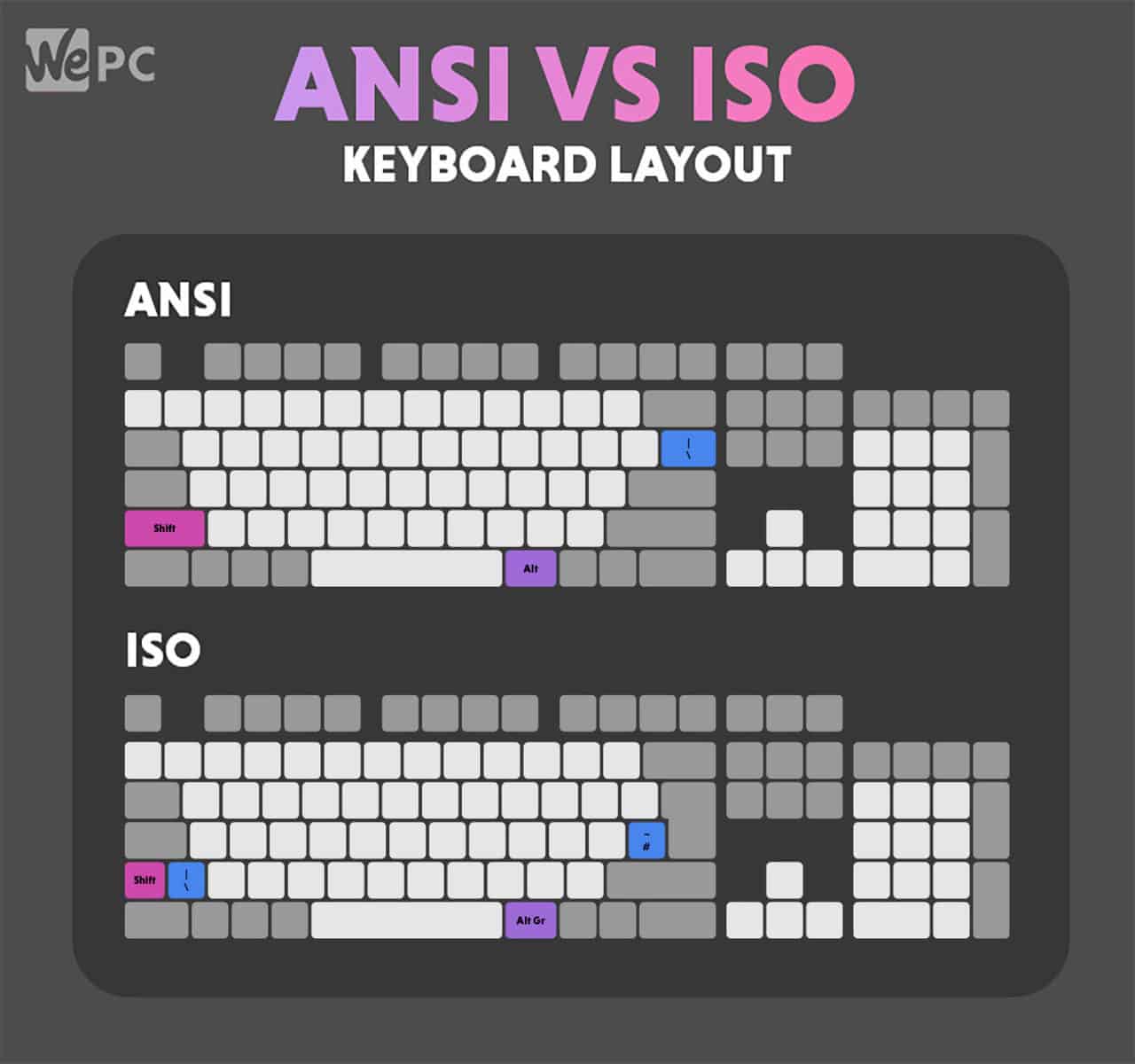
choosing the right layout isn’t only about aesthetics, it’s about comfort, shortcuts, and your daily workflow." That framing captures why the long-running debate between ANSI and ISO matters for typists and keyboard builders: physical key placement, international character access, and remapping options change how you actually work day to day.
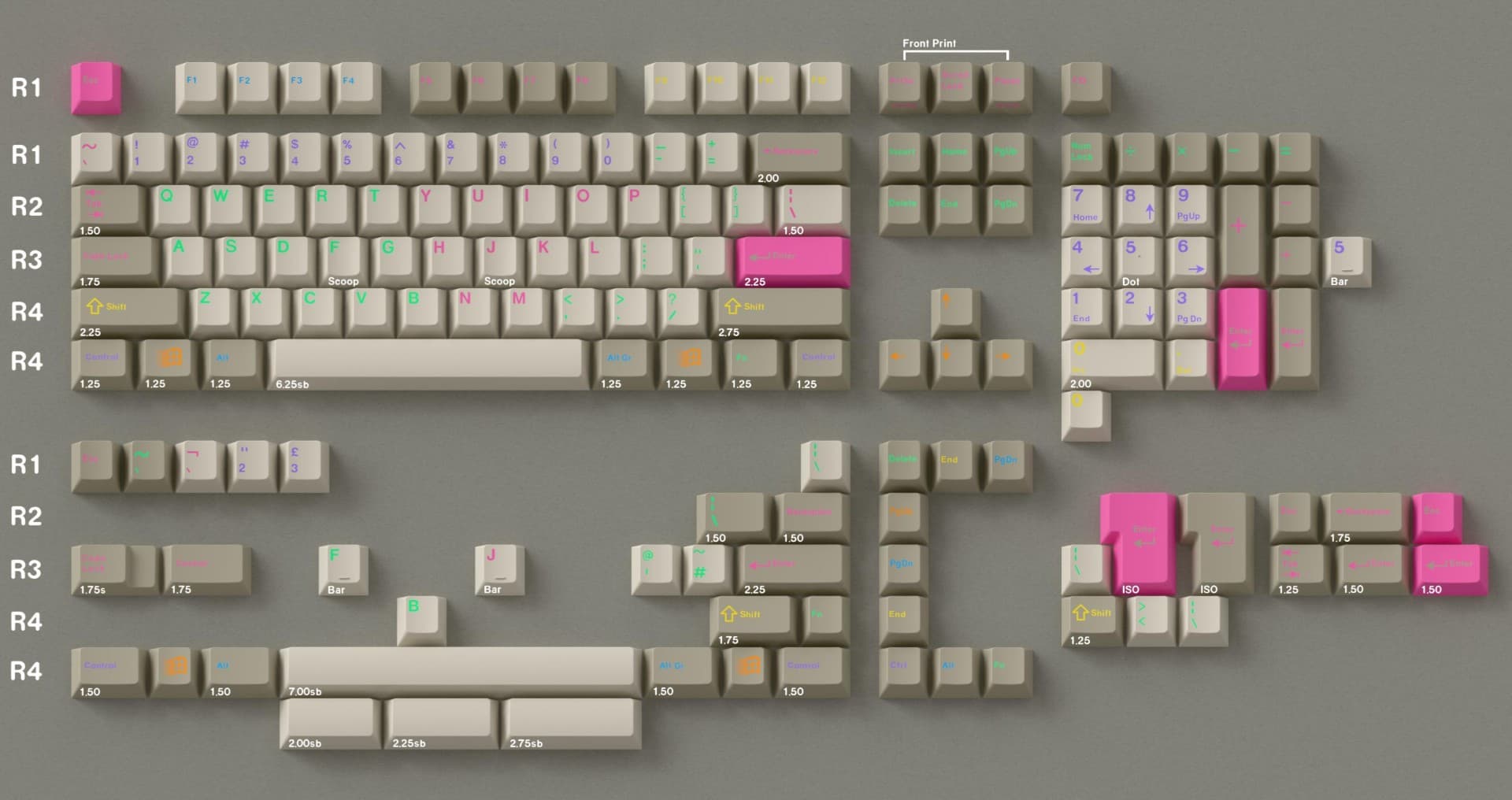
Physical differences are often the first visible cue. The short summary provided this description: “ANSI vs ISO: ANSI (common in US) places the Enter key as a wide horizontal key and typically has a shorter left Shi” which reflects the common observation that ANSI and ISO diverge around the Enter and left Shift areas. The original fragment is truncated, but community comments reinforce that those differences change finger reach and comfort for some users.
Language support and mapping flexibility drive many builders toward ISO. One long-time Spanish-layout user, Uhk Io, wrote: “I'm an ISO keyboard layout user (Spanish), I've been using ISO layout since the very beginning I started my computer related career.” Uhk Io continued with a practical claim about mapping: “Wouldn't know if one layout is more ergonomic than the other, but definitely I find the ISO one to be more versatile / flexible; I say this because the ability of the ISO layout to adapt to many more different keymaps than the ANSI one, for example, I can map my ISO keyboard to the English (US, GB, etc.) language without losing any characters, but it isn't the same story the other way around, If I map any ANSI keyboard to the Spanish (Spain, Latin-America) language I wouldn't be able to use the '' characters (since they are assigned to that extra ISO key), and for that matter, would be the case for any language that uses more characters than the English [...]”
Community reaction runs the gamut. One poster thanked a user named Isaac and noted unfamiliarity with other regional standards: “Thanks for your insight, Isaac! Your experience regarding ANSI vs ISO definitely reflects mine. Also, this is the first time I hear about ABNT.” Another user flagged diacritics as a practical reason to prefer ISO: “I've had similar problems with caps lock on ISO but it's the best way by far to get capitalised umlauts, accented, circonflexed and tilde letters without relying on autocorrect.”
Debate about ergonomics surfaces as well. One commenter pushed back on blanket claims favoring ANSI: “The argument presented in the blog that ANSI is more ergonomic than ISO may be true for people who use a standard keyboard with standard mappings. But surely the whole point of the UHK is that it attracts people who want a more ergonomic and optimized experience. Such people are less likely to just accept the default mappings anyway. [...] 1. Your layout does make sense to me, although I believe that the thumb is a much more ergonomic candidate when it comes to a frequent layer switcher key.”

Regional preference shows up bluntly in another voice: “hello, i am an israeli and i don't know what the default keyboard layout is because we have both here. i have used both and i feel that ansi is a lot better than iso because the shift key is longer and that is more comfortable to me . its a shame in my opinion that people use iso when ansi is much better.”
For typists and builders the practical takeaway is straightforward: match layout to the languages you type and the remapping you plan to do. Test an ISO board mapped to English and an ANSI board mapped to Spanish if you rely on accents and extra characters. Consider making the thumb a frequent layer switcher for reduced reach, and check caps lock and capital-diacritic workflows on your OS and firmware. If you value plug-and-play simplicity in English-only use cases, ANSI’s common form factor may win. If you need multilingual support or an extra ISO key for locale-specific characters, ISO may save you layer gymnastics.
Expect the community to keep pushing firmware and layout tools that blur these lines. For now, measure comfort, test your keymaps, and pick the layout that keeps your fingers in the flow.
Know something we missed? Have a correction or additional information?
Submit a Tip