Mode Envoy 65% kit uses lattice-block mount, pairs with new GMK set
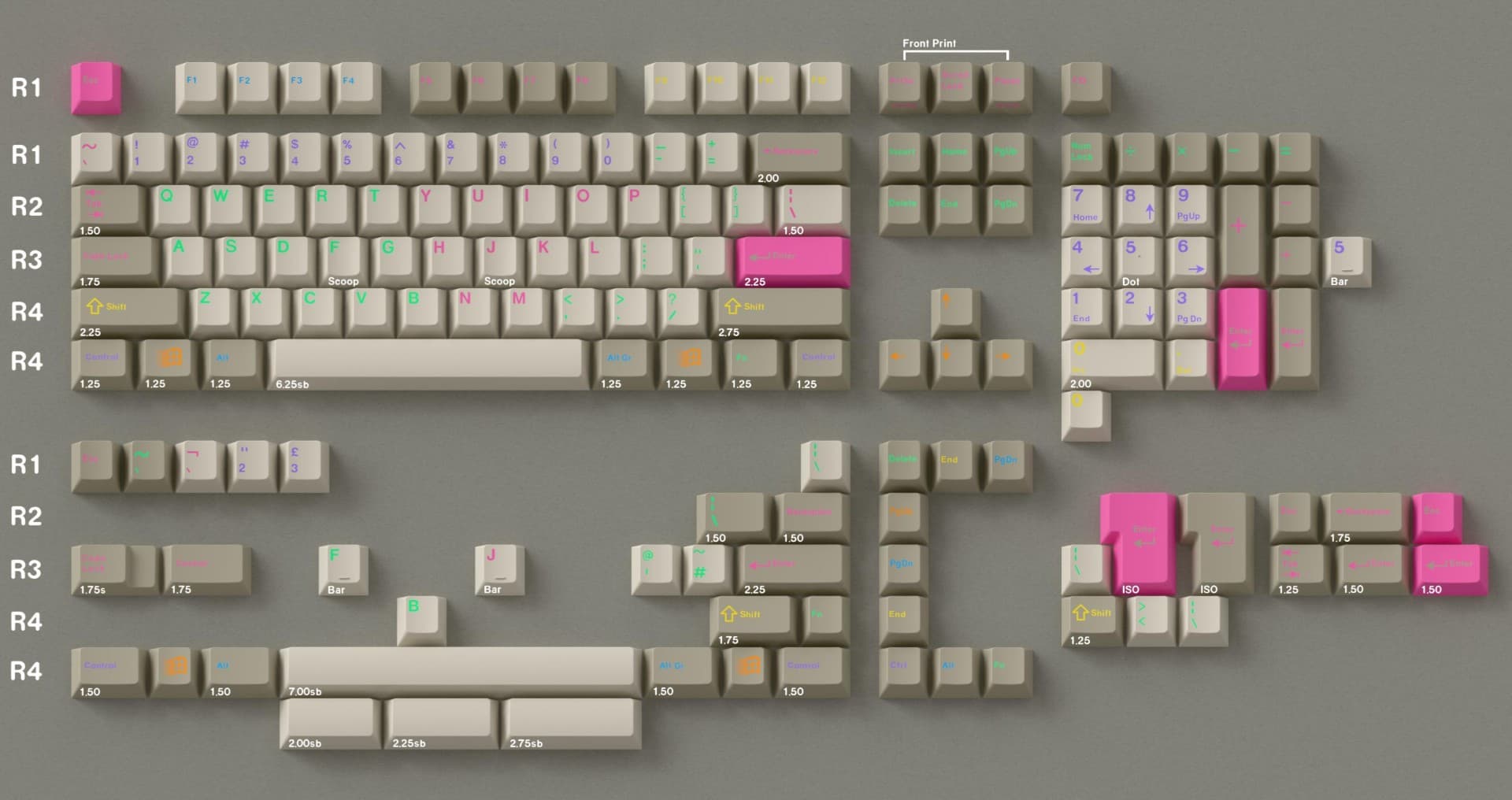
Mode's Envoy 65% kit pairs a tunable lattice-block mount with a new GMK keycap set, offering configurable build options and easy hot-swap serviceability that matter for both new and veteran builders.
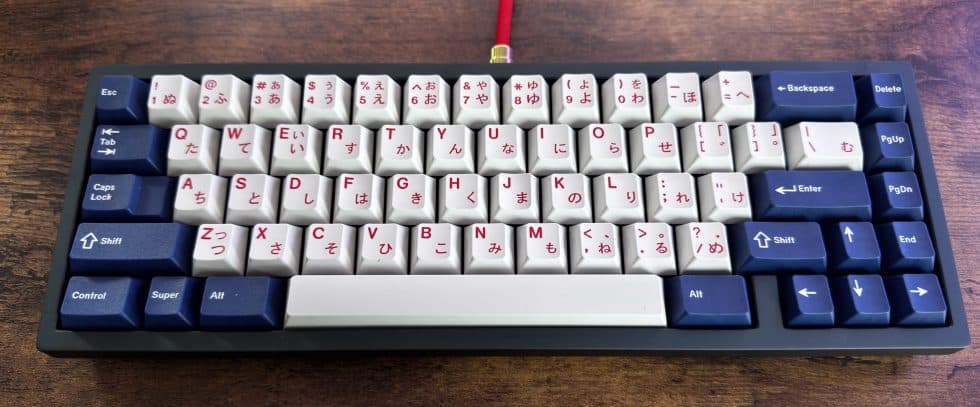
Mode’s Envoy presents a compact 65% kit that blends configurable hardware with an unusual mounting approach and a fresh GMK keycap pairing. Hands-on coverage shows the Envoy ships as a build-your-own kit with hot-swap or solder PCB choices, an ARM MCU with full QMK and VIA support, and a 1.6 mm PCB that Mode says improves switch stability.
Buyers can configure plate material, accents, and optional weights, and Mode includes a daughterboard and JST cable to separate power and data connections from the main PCB. The board lists a 5.8 degree typing angle, front height of 19.5 mm, width of 317 mm and depth of 112 mm, with assembled weight depending on configuration in a range from 1.3 lbs to 3.4 lbs. The online configurator shows a base price indicator of $190.00+ and bundles the keyboard case, plate, mounting block pack, stabilizers, tools, carry case and pullers when selected.
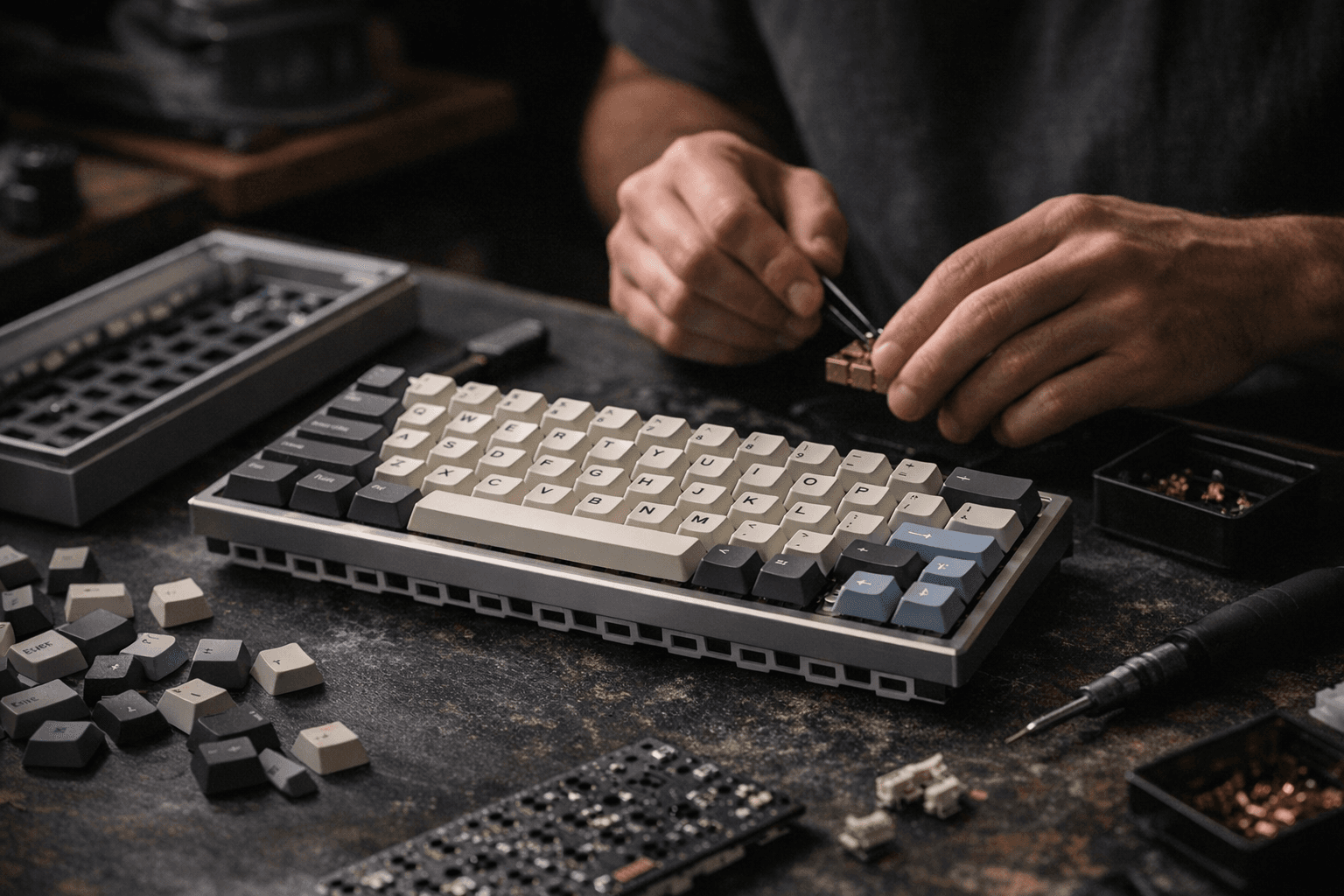
The most talked-about feature is the mount. Mode’s marketing describes a gasket-based mounting system, while hands-on reviewers and independent coverage repeatedly describe a "lattice-block mount system (allowing quick tuning of firmness)" and document 3D printed mounting blocks in green (softer) and black (firmer). Reviewers note that swapping or mixing blocks yields meaningful changes to bounce and feedback. One reviewer observed, "The 3D printed mounting blocks and one-piece drop-in assembly make this keyboard very unique, as I have never seen 3D printed mounting components before!" and added, "The PCB is noticeably bouncy, and very comfortable to type on during long typing sessions."
Those tactile benefits come with a caveat. Reviewers warned that lateral movement of the PCB in this mount can lead to spacebar rubbing with certain keycap sets, a minor downside to the otherwise flexible system. Mode’s hot-swap option uses Kailh sockets to let builders change switches without soldering, and community commentary highlights maintenance benefits: "It is worth mentioning that the Mode Envoy consistently relies on proven standards, which makes it very maintenance-friendly in the long term," including the daughterboard's role to "relieve the main PCB mechanically and protect the USB-C socket from stress caused by frequent plugging and unplugging."
Aesthetic and sound impressions skew positive. One independent review summarized the board this way: "The Mode Envoy is a fantastic 65% keyboard that at first glance, may seem understated in both design and look. However, a deeper dive reveals the meticulous attention to detail that makes this board worth its price tag." That reviewer scored aesthetics 8/10, design 9/10 and feel 9/10. Community posts show live builds ranging from polycarbonate cases with copper weights to walnut accents and pairings such as GMK Olive Noir or PBTfans Green Hangul; one owner wrote, "Polycarbonate envoy with a copper weight and accent, and oh boy. It slaps."
For readers assessing a purchase, the Envoy delivers a high degree of configurability and easy switch serviceability, plus a tunable sound and feel profile via the lattice blocks. Confirm which case materials and mount details are selected for your build and test keycap compatibility if spacebar feel is critical. Expect to see more community builds as the new GMK set ships and more owners report long-term behavior of the lattice-block mount.
Know something we missed? Have a correction or additional information?
Submit a Tip