Anthropic meets White House after AI models taken offline over access dispute
Anthropic met White House officials after a government directive pushed its newest models offline, exposing how far Washington may go to control frontier AI access.
Anthropic sent senior technical staff to Washington over the weekend after a clash with the White House forced its newest artificial intelligence models offline worldwide. The dispute laid bare a sharper reality for frontier AI: access to the most capable systems is no longer just a product decision, but a question of national security, foreign policy and who gets to set the rules.
At the center of the standoff was a directive from the Trump administration ordering Anthropic to block any foreign nationals, whether inside or outside the United States, from using its latest models, Fable 5 and Mythos 5. Anthropic said on June 12 that the U.S. government, citing national security authorities, had issued an export control directive suspending access to both models by any foreign national, including foreign national Anthropic employees. Rather than try to build a fast, country-by-country or user-by-user restriction, Anthropic disabled access to Fable 5 and Mythos 5 while it worked to restore service. The company’s technical staff had already held virtual meetings with administration officials on Friday, and the Washington talks were meant to narrow the remaining differences.

The episode has become especially sensitive inside Anthropic because the company is moving toward the public markets. Anthropic confidentially submitted a draft S-1 to the U.S. Securities and Exchange Commission on June 1 for a proposed initial public offering, then said on May 28 that it had raised $65 billion in Series H funding at a $965 billion post-money valuation. That financing and IPO path put a higher price on any sign that Washington can intervene directly in product access, particularly when the restriction reaches foreign nationals employed by the company itself.
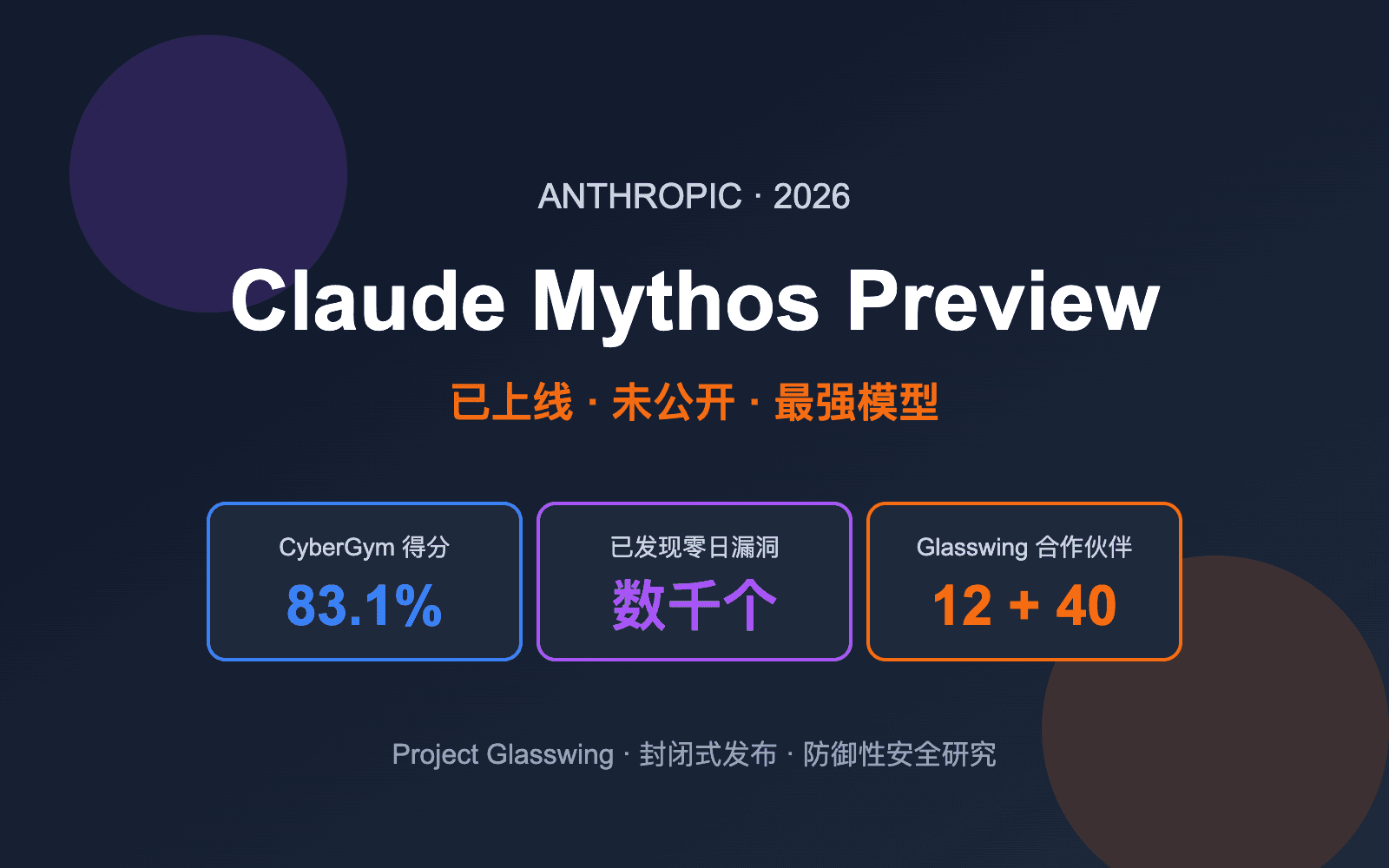
Anthropic’s latest model rollout also shows how the company is trying to frame its own safety case. It launched Claude Fable 5 on June 9 as a Mythos-class model made safe for general use. The company’s Fable page says the model includes robust safeguards for cybersecurity and biology, and that queries in those domains are automatically routed to Opus 4.8 if flagged by safeguards. Anthropic had earlier warned about the hacking capabilities of Mythos and held it back from wide release, a reminder that the company’s own safety posture remains central to how regulators and investors judge it.
The broader fight now reaches beyond one company and one model. Anthropic’s research blog says it publishes evidence-based analysis on the national-security implications of frontier AI, with emphasis on cybersecurity, biosecurity and autonomous systems. It has also expanded Project Glasswing, a cyberdefense initiative whose participants have used Mythos Preview at scale and, Anthropic says, sparked wider conversations with governments about AI and cybersecurity. The Washington standoff suggests those conversations are hardening into something more consequential: a precedent for how much leverage the federal government can exert over the next generation of AI systems, and how quickly commercial ambitions can be subordinated to state power.
This article was produced by Prism’s automated news system from verified source data, official records, and press releases, then run through automated quality and moderation checks before publishing. The system is built and supervised by the people who set the standards it runs under. Read our full AI policy.
Know something we missed? Have a correction or additional information?
Submit a Tip