Baseus slashes prices on Qi2.2 power bank with built-in cable
Baseus cut its Qi2.2 power bank with built-in cable to $69.99, while the standard AM52 fell to $59.99 as 25W wireless charging spreads.

Baseus has pushed one of its newer Qi2.2 accessories into impulse-buy territory, dropping the PicoGo AM52 power bank with a built-in USB-C cable to $69.99 from $89.99. The standard 10,000mAh AM52 model is also on sale, listed at $59.99 instead of $79.99, making the company’s 25W wireless battery a noticeably cheaper entry point for iPhone owners watching accessory prices.
The discount matters because the AM52 is aimed at the latest wave of magnetic charging. Baseus says the power bank delivers 25W MagSafe wireless charging, 45W USB-C wired power, and simultaneous charging for two devices. The built-in-cable version adds a 45W integrated USB-C cable, giving it a more travel-friendly setup than the base model while keeping the same 10,000mAh capacity.
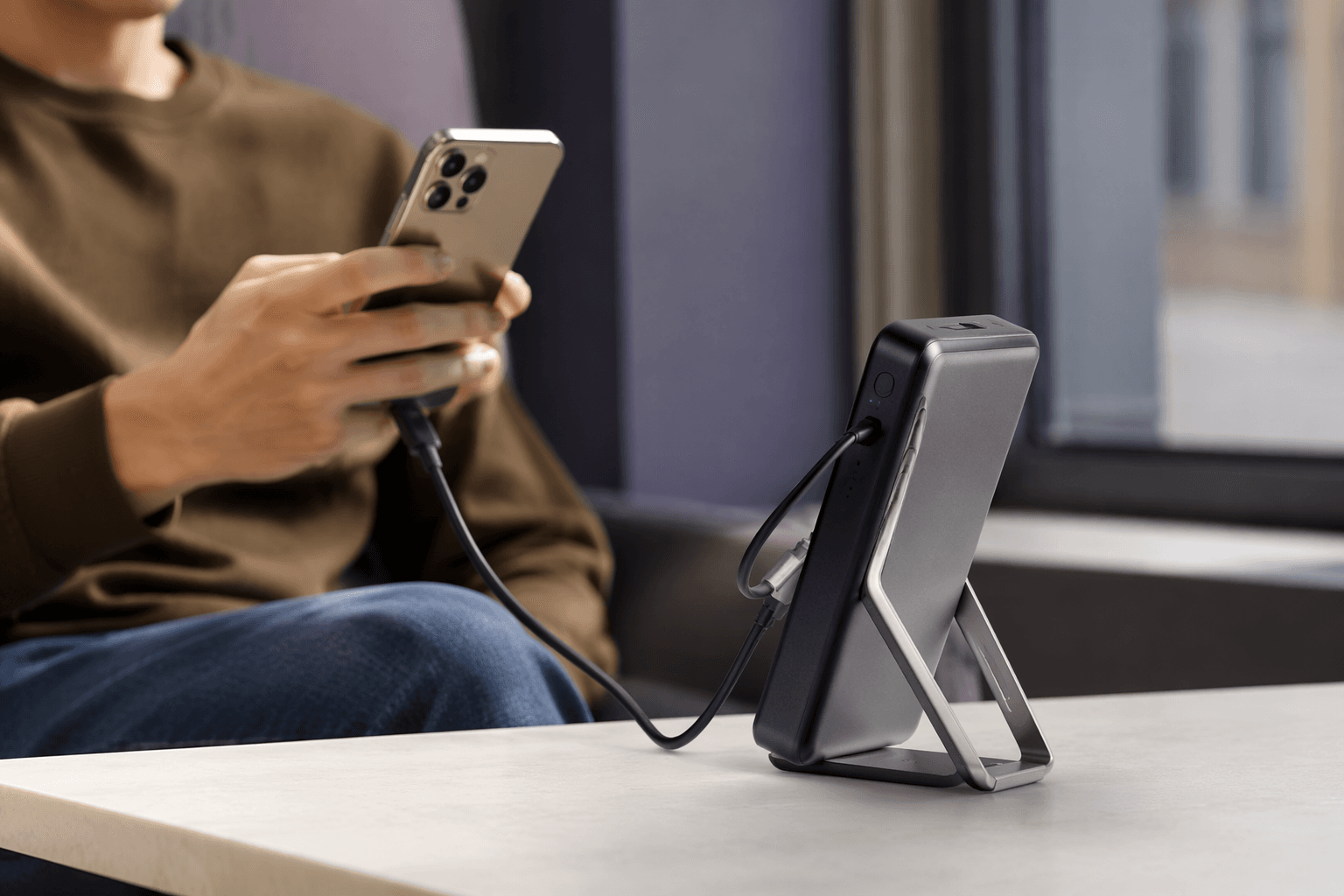
That pricing lands as Qi2.2 starts to look less like a niche spec and more like a standard feature of premium portable batteries. The Wireless Power Consortium says Qi v2.2.1 is branded as Qi2 25W and launched in July 2025. The group also says Qi first launched in 2010 and that there are now more than 13,000 Qi-certified products on the market, evidence of how far wireless charging has expanded since the original standard.
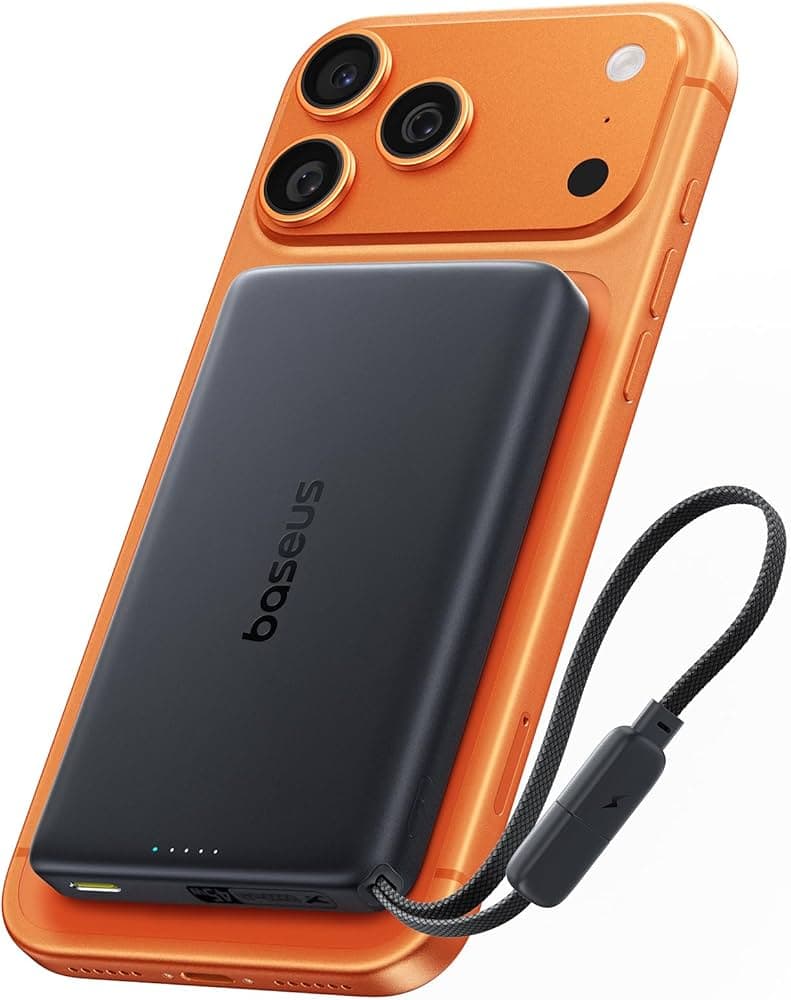
For iPhone users, though, the speed boost is not universal. Baseus says only iPhone 16 and iPhone 17 series models support Qi2.2 25W wireless charging, while iPhone 12 through iPhone 15 models are limited to 15W wireless charging. That means the AM52’s headline speed only fully pays off on Apple’s newest handsets, even if older devices still benefit from the magnetic alignment and the added convenience of portable charging.
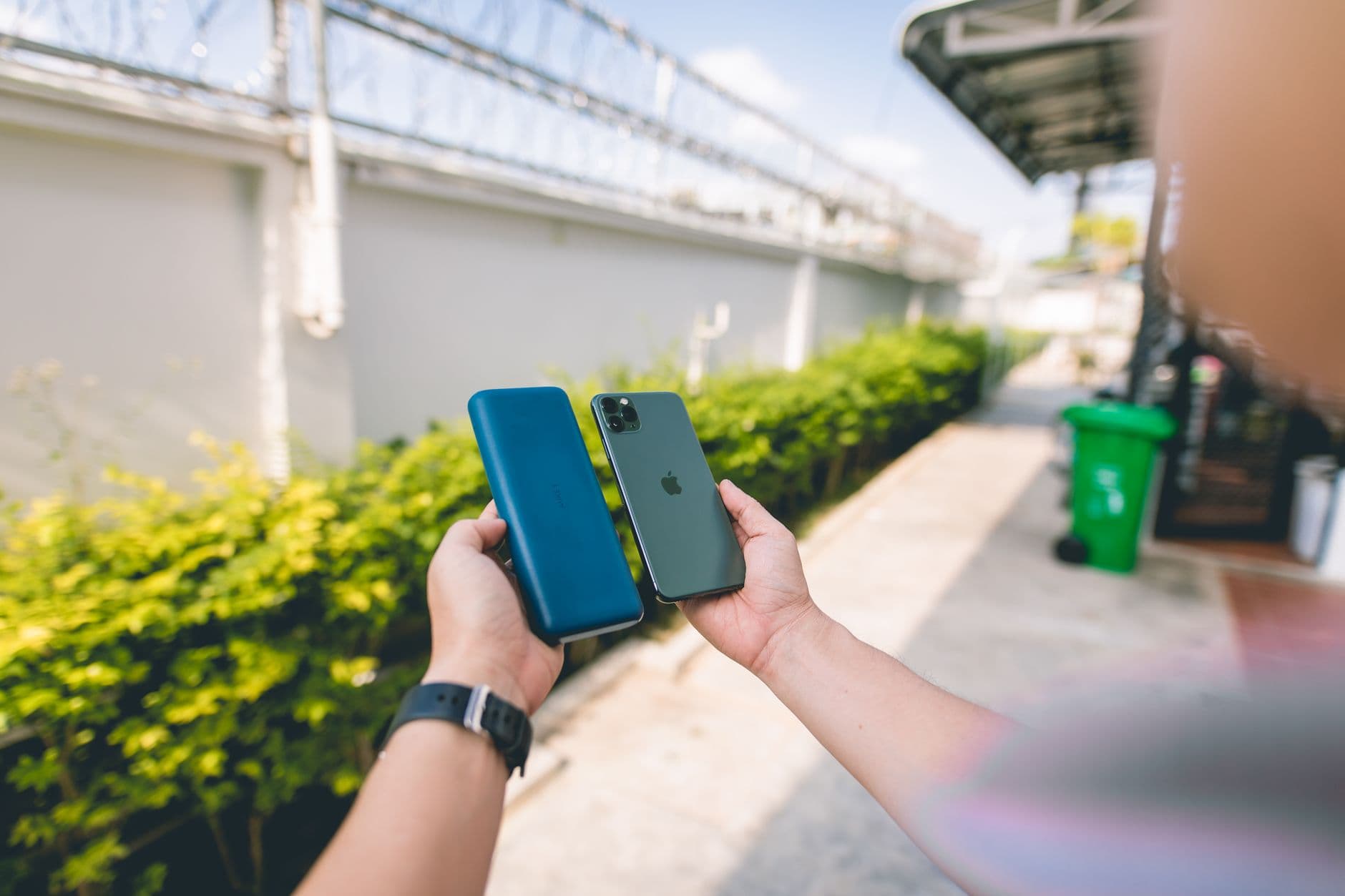
The sale also comes as reviewers are narrowing the field of Qi2 accessories. The Verge’s latest battery buying guide tested seven Qi2 and Qi2.2 power banks and singled out the Baseus model as one of the best options for iPhone and Pixel users. Taken together, the lower price and the newer charging standard show where the market is heading: faster wireless power, more built-in convenience, and less of a premium attached to both.
This article was produced by Prism’s automated news system from verified source data, official records, and press releases, then run through automated quality and moderation checks before publishing. The system is built and supervised by the people who set the standards it runs under. Read our full AI policy.
Know something we missed? Have a correction or additional information?
Submit a Tip