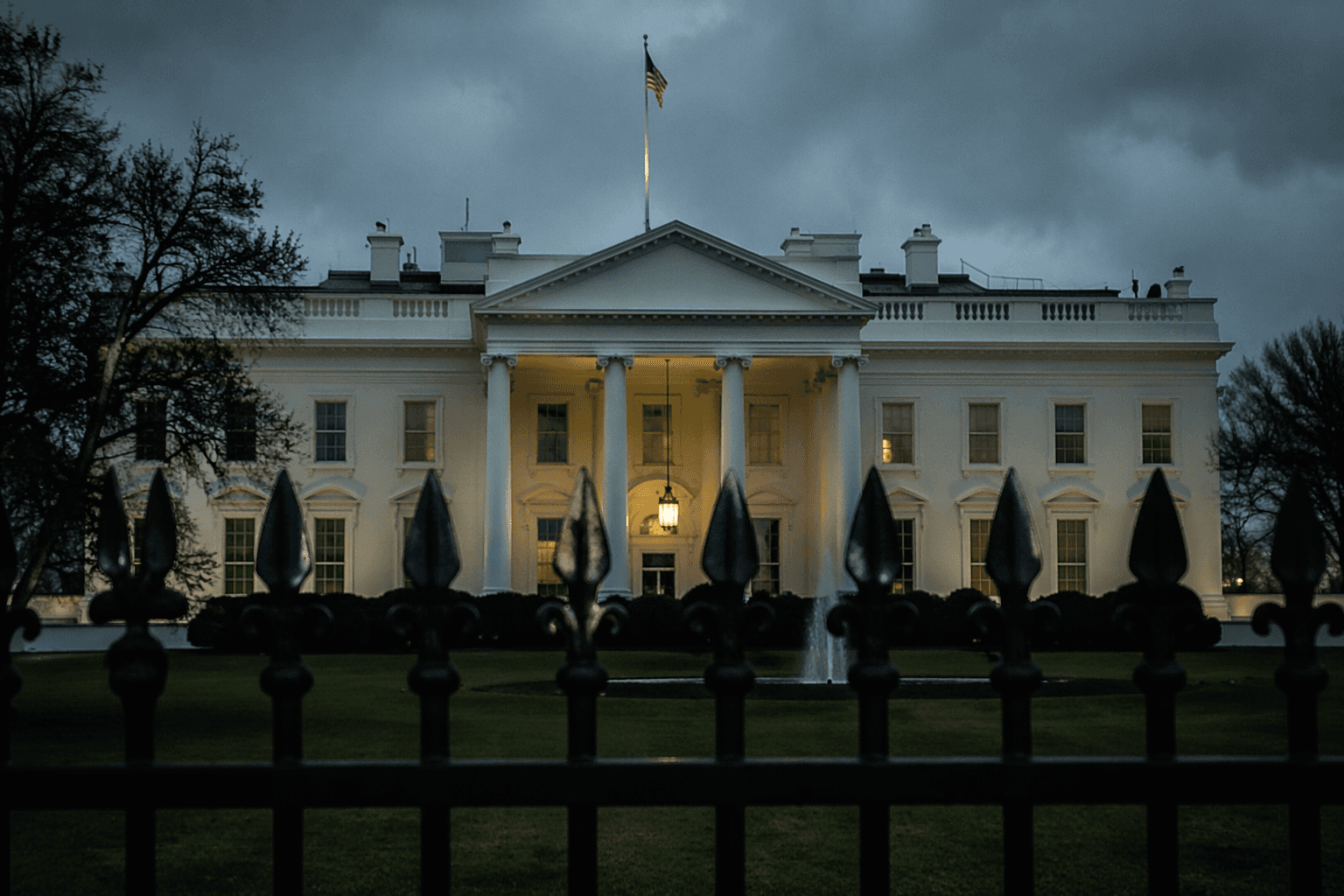
Cybersecurity experts urge White House to ease Anthropic export controls
A 54-signatory letter says Anthropic's model restrictions could weaken defenders just as Washington is treating frontier AI as a security tool.
Dozens of cybersecurity experts are pressing the White House to lift export-control restrictions on Anthropic’s Fable and Mythos models, arguing that the order could weaken the very defenders the government depends on to secure software and critical systems. The protest lands at the center of a sharp policy contradiction: Washington is treating advanced AI as both a national-security asset and a technology it may need to restrain.
The letter, circulated around June 14 and said to have 54 signatories, comes days after the government ordered Anthropic to suspend access to Fable 5 and Mythos 5 for any foreign national, whether inside or outside the United States, including foreign national employees. Anthropic said it received the directive at 5:21 p.m. ET on June 12 and disabled both models for all customers worldwide because it could not quickly build nationality-based access filters. The company said its other models remained available.
Anthropic has said the government did not spell out the security concern, but that officials believed they had found a way to bypass, or “jailbreak,” Fable 5. The company said its review of the demo showed only a small number of previously known, minor vulnerabilities, and that those flaws were also discoverable through other publicly available models without using the bypass. Anthropic also said it spent thousands of hours on pre-launch red-teaming with the U.S. government, the UK AISI, private third-party organizations and internal teams, and that no tester found a universal jailbreak.
The dispute follows a White House push to frame AI as a defense priority. On June 2, President Donald J. Trump signed the executive order Promoting Advanced Artificial Intelligence Innovation and Security, directing agencies to prioritize cyber defense of national security, civilian federal and Department of War systems. The Anthropic action came after a reported 24-hour scramble in which senior officials tried to persuade the company to withdraw the model voluntarily, with calls involving Dario Amodei, Scott Bessent, Sean Cairncross, Susie Wiles and concerns raised by Andy Jassy.
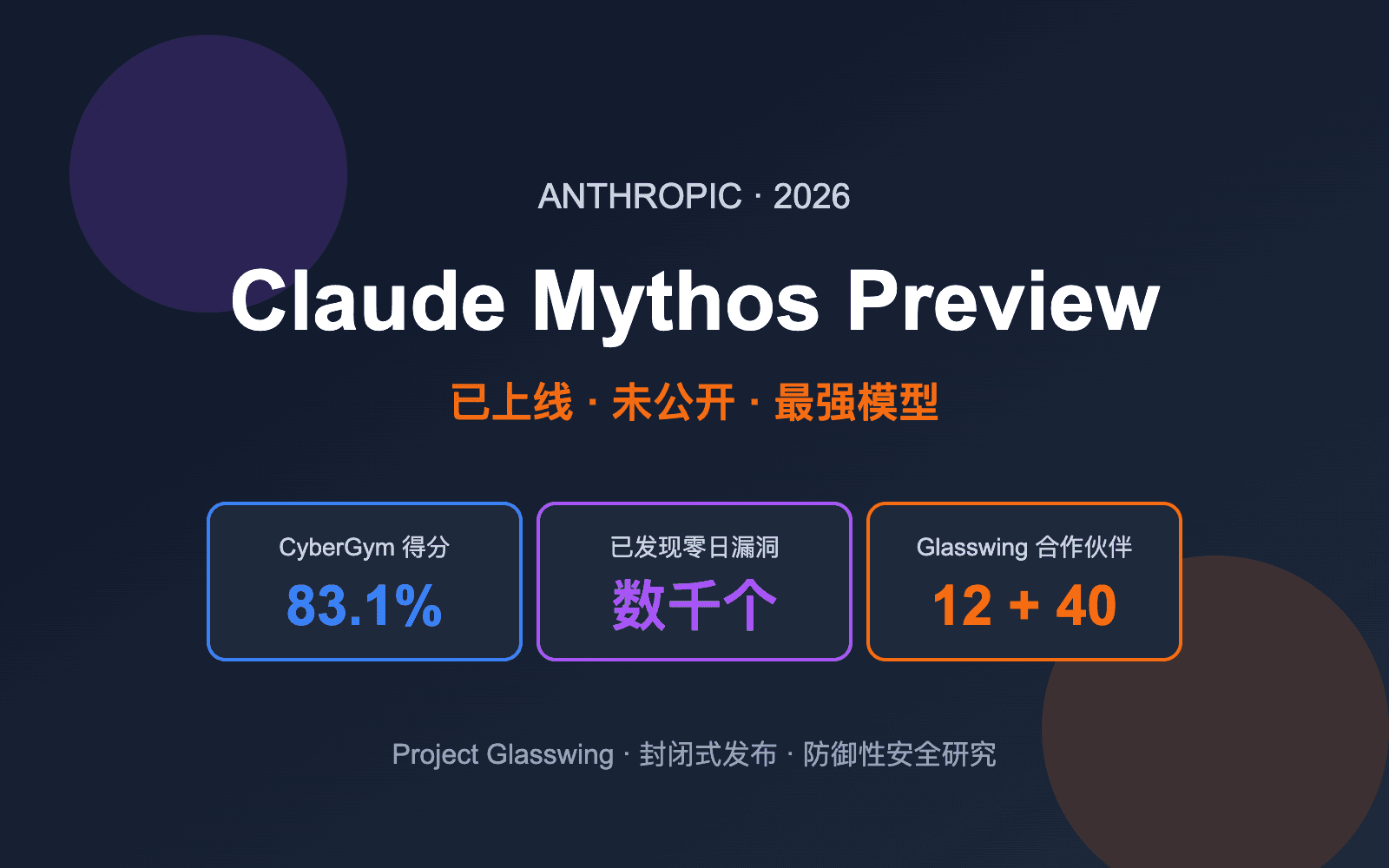
The controversy also cuts against Anthropic’s own posture. The company has previously argued for strong export controls on advanced AI chips and model weights, while also promoting its models as tools for defenders. Through Project Glasswing, Anthropic said Mythos Preview helped cybersecurity teams secure critical software, and it described Mythos 5 as having the strongest cybersecurity capabilities of any model in the world. Launch partners included Amazon Web Services, Apple, Broadcom, Cisco, CrowdStrike, Google, JPMorganChase, the Linux Foundation, Microsoft, NVIDIA and Palo Alto Networks.
For the White House, the fight is no longer just about whether frontier AI should be controlled. It is about whether those controls, if aimed too broadly, could handicap the cyber defense ecosystem the administration says it wants to strengthen.
This article was produced by Prism’s automated news system from verified source data, official records, and press releases, then run through automated quality and moderation checks before publishing. The system is built and supervised by the people who set the standards it runs under. Read our full AI policy.
Know something we missed? Have a correction or additional information?
Submit a Tip