Anzac Day dawn services booed in Melbourne, Sydney and Perth
Booing broke out at Anzac Day dawn services in Melbourne, Sydney and Perth as Indigenous Welcome to Country ceremonies became a national flashpoint. Police moved in, and veterans and leaders denounced the disruption.
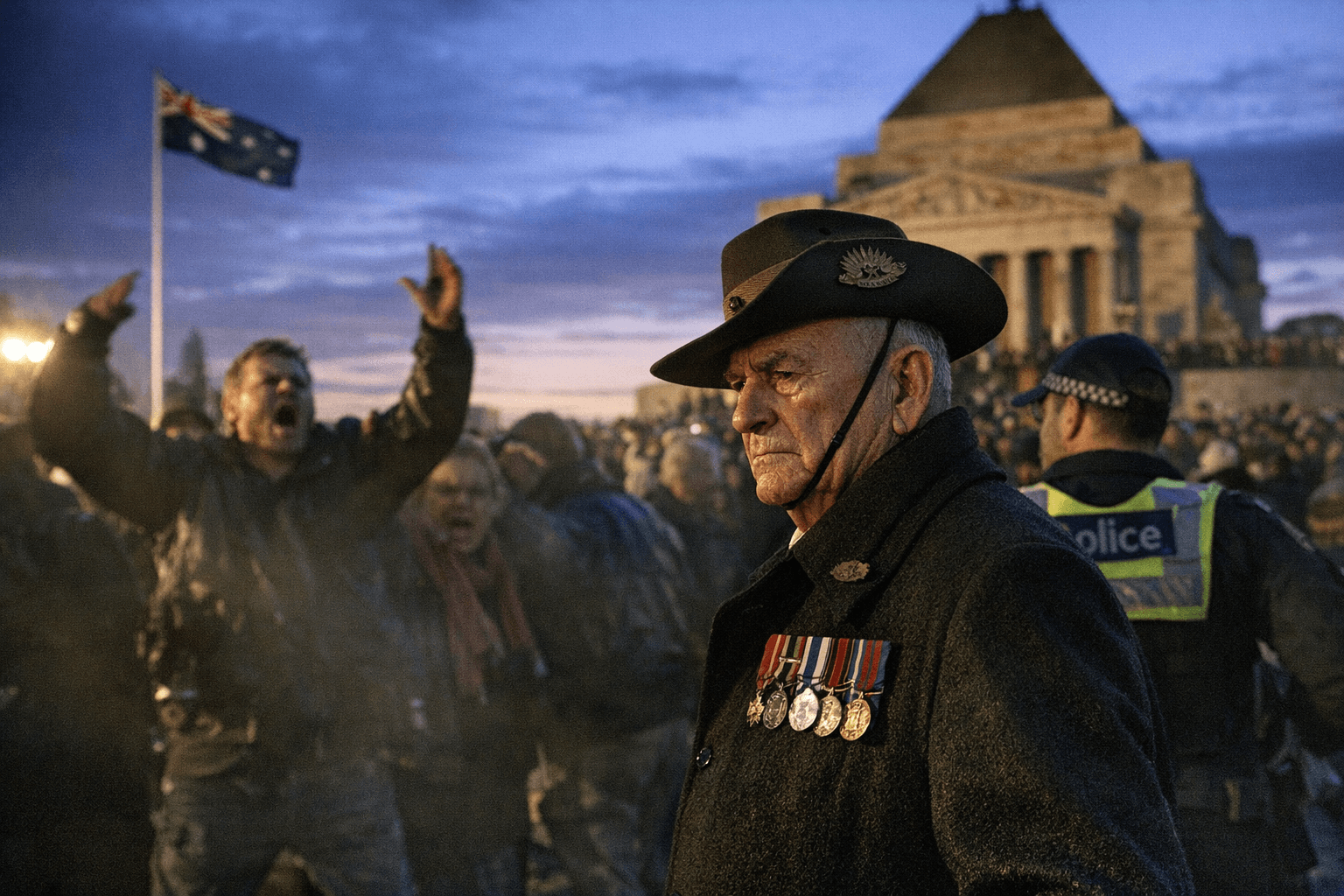
Booing at Anzac Day dawn services in Melbourne, Sydney and Perth turned a solemn national commemoration into a confrontation over history, identity and who has the right to speak for the land. Indigenous elders delivering Welcome to Country ceremonies were interrupted at the Shrine of Remembrance, in Sydney and at Kings Park, drawing swift condemnation from veterans, military figures and political leaders.
At Melbourne’s Shrine of Remembrance, Bunurong Elder Uncle Mark Brown was booed as he delivered the Welcome to Country. The disruption came before tens of thousands gathered for a service that has become one of the country’s most watched Anzac Day commemorations, with about 50,000 people attending in 2025 and the 2026 ceremony again drawing intense attention. In Sydney, Pastor Ray Minniecon’s Welcome to Country was also interrupted, while in Perth Whadjuk Noongar Elder Di Ryder faced booing during the dawn service at Kings Park.
Police responded across the day. One man was arrested and charged in Sydney over his alleged involvement in the booing. WA Police issued 15 move-on notices in connection with disruptions at Kings Park and Busselton, while ABC News reported 10 move-on notices at the Perth service. About 30,000 people attended the Kings Park ceremony, underscoring the scale of the event and the visibility of the disruption.
The backlash reflected the deeper significance of the ceremony that was targeted. A Welcome to Country is a cultural protocol intended to show respect to the Traditional Owners of the land. AIATSIS defines Country as the lands, waterways and seas to which Aboriginal and Torres Strait Islander peoples are connected, a relationship that also carries law, place, custom, language, spiritual belief, cultural practice, family and identity. For many Indigenous Australians, that acknowledgement is not a ceremonial flourish but a statement of continuity on a day shaped by national memory.
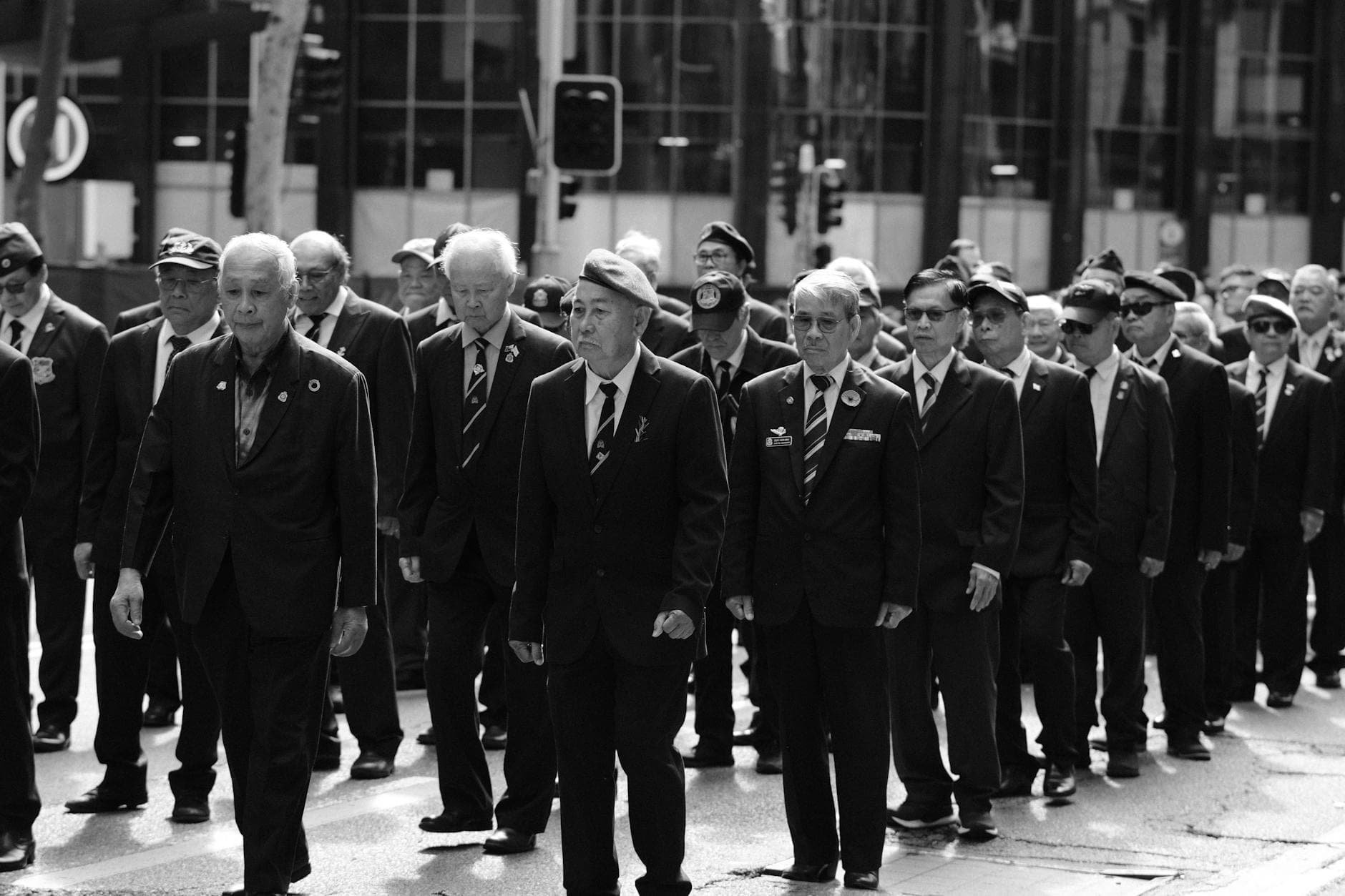
The timing sharpened the symbolism. The Australian War Memorial marked the 111th anniversary of the Gallipoli landings in its 2026 Anzac Day program and scheduled an Aboriginal and Torres Strait Islander Veterans Association Commemorative Ceremony for 7.30 am after the dawn service. That ceremony is intended to honour Indigenous Australians who have served in the Australian forces since 1901. The War Memorial’s For Our Country memorial also recognises the military service of Aboriginal and Torres Strait Islander peoples in all conflicts in which Australia’s military has been deployed.
The day’s unrest showed how unresolved the argument over recognition remains. On a day built around remembrance and sacrifice, the booing turned a protocol of respect into a test of Australia’s willingness to confront its own history.
This article was produced by Prism’s automated news system from verified source data, official records, and press releases, then run through automated quality and moderation checks before publishing. The system is built and supervised by the people who set the standards it runs under. Read our full AI policy.
Did this article answer your question?


