Appeals court narrows Boeing 737 MAX 9 blowout class action
A federal appeals court broke up Boeing’s 737 MAX 9 blowout shareholder suit, shifting leverage away from a single class claim. The case traces to Alaska Flight 1282’s door-plug failure.

A federal appeals court decertified the Boeing shareholder class action tied to the 737 MAX 9 blowout, forcing the claims out of a single unified case and toward more individualized fights over compensation. The ruling gave Boeing a win and changed the practical path for plaintiffs who had tried to press the company over safety and profit priorities in one consolidated action.
The court’s move undercut a March 2025 ruling that had let the shareholder class proceed. The case accused Boeing of prioritizing profit over safety and overstating its commitment to safe aircraft before the mid-air cabin panel blowout that shook confidence in the MAX family. The court was identified in related coverage as the U.S. Court of Appeals for the Fourth Circuit.
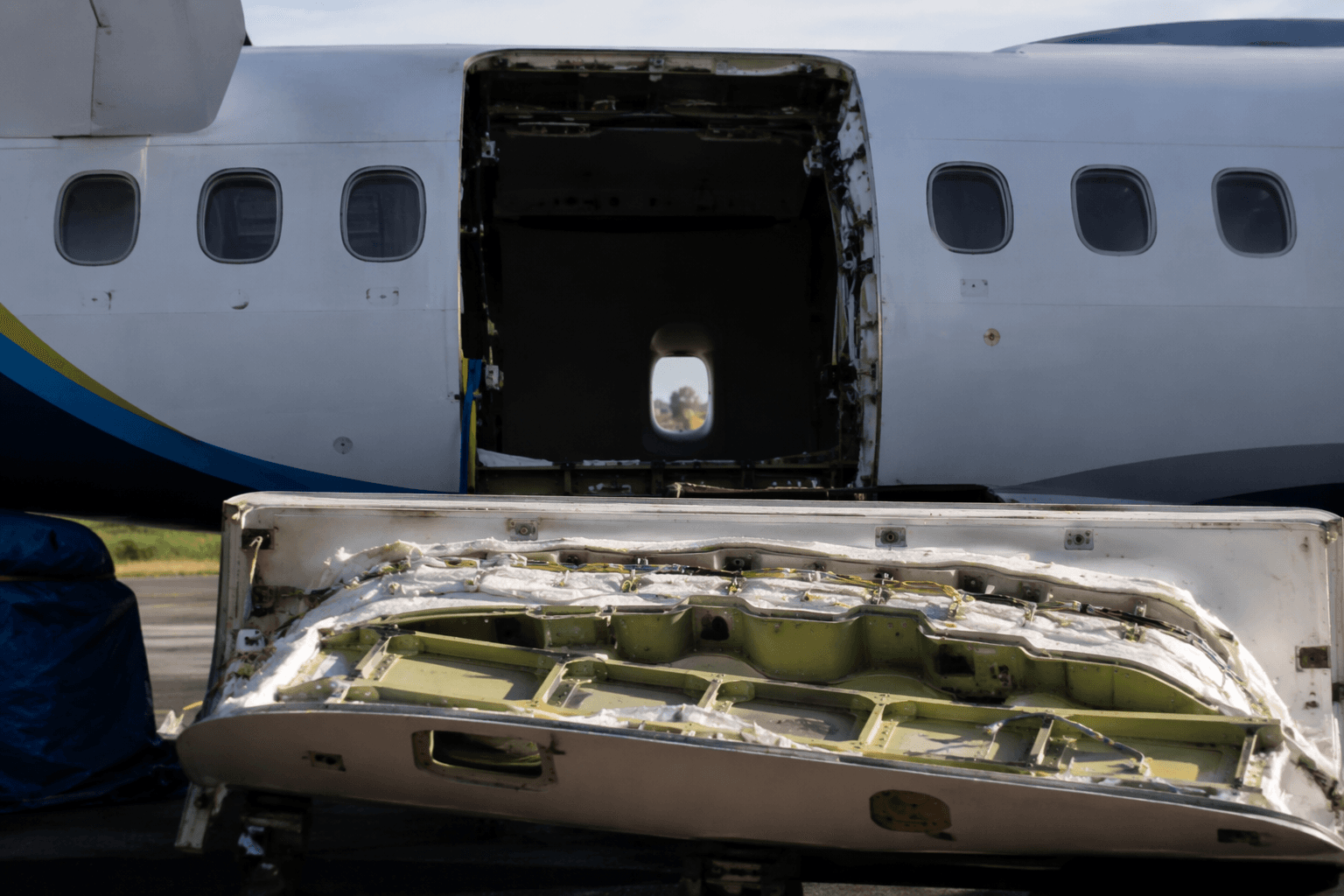
The underlying incident happened on January 5, 2024, on Alaska Airlines Flight 1282, when the left mid-exit door plug separated during climb after takeoff from Portland International Airport. The aircraft was a Boeing 737-9 MAX, registration N704AL, and 177 people were on board. The National Transportation Safety Board said one flight attendant and seven passengers suffered minor injuries. Aviation Safety Network data show the jet was manufactured in 2023 and had 151 flight cycles at the time of the occurrence.
The class-action ruling does not eliminate Boeing’s exposure, but it does make the legal road more fragmented. In class litigation, plaintiffs can pool resources and present a larger front, which often increases pressure on a defendant to resolve a case. Once a class is decertified, each claimant faces a more expensive and uneven path, and Boeing gains more room to contest claims one by one.
That shift matters beyond investors in this lawsuit. Aviation safety cases often turn on whether plaintiffs can keep a broad class together long enough to force a settlement or win discovery that reaches internal decision-making. A fragmented case can weaken bargaining power and lengthen the timeline for relief, even while the public scrutiny around a widely watched safety failure remains intense.
Alaska Airlines later sold the 737 MAX 9 back to Boeing in 2024, adding another twist to a case that has stayed tied to the company’s quality-control problems and the broader trust gap surrounding the MAX program. The appeals court ruling leaves Boeing facing a more complicated legal map, but not a closed one.
This article was produced by Prism’s automated news system from verified source data, official records, and press releases, then run through automated quality and moderation checks before publishing. The system is built and supervised by the people who set the standards it runs under. Read our full AI policy.
Did this article answer your question?