Samsung Biologics prepares $1.8 billion all-cash bid for PolyPeptide
Samsung Biologics plans a 1.46 billion Swiss franc all-cash bid for PolyPeptide, targeting peptide capacity as GLP-1 demand surges. PolyPeptide shares jumped more than 5%.
Samsung Biologics is preparing a 1.46 billion Swiss franc, or $1.81 billion, all-cash bid for PolyPeptide, a move that would give the South Korean contract manufacturer a bigger foothold in peptide production at a time when drugmakers are racing to secure specialized capacity. The offer values PolyPeptide at 44.31 Swiss francs per share.
PolyPeptide’s board unanimously backed the offer, and the company’s major shareholder also supported it, removing two of the biggest obstacles in a cross-border takeover. PolyPeptide shares rose more than 5% after the bid became public, a sign that investors see strategic value in the assets Samsung Biologics wants to control.
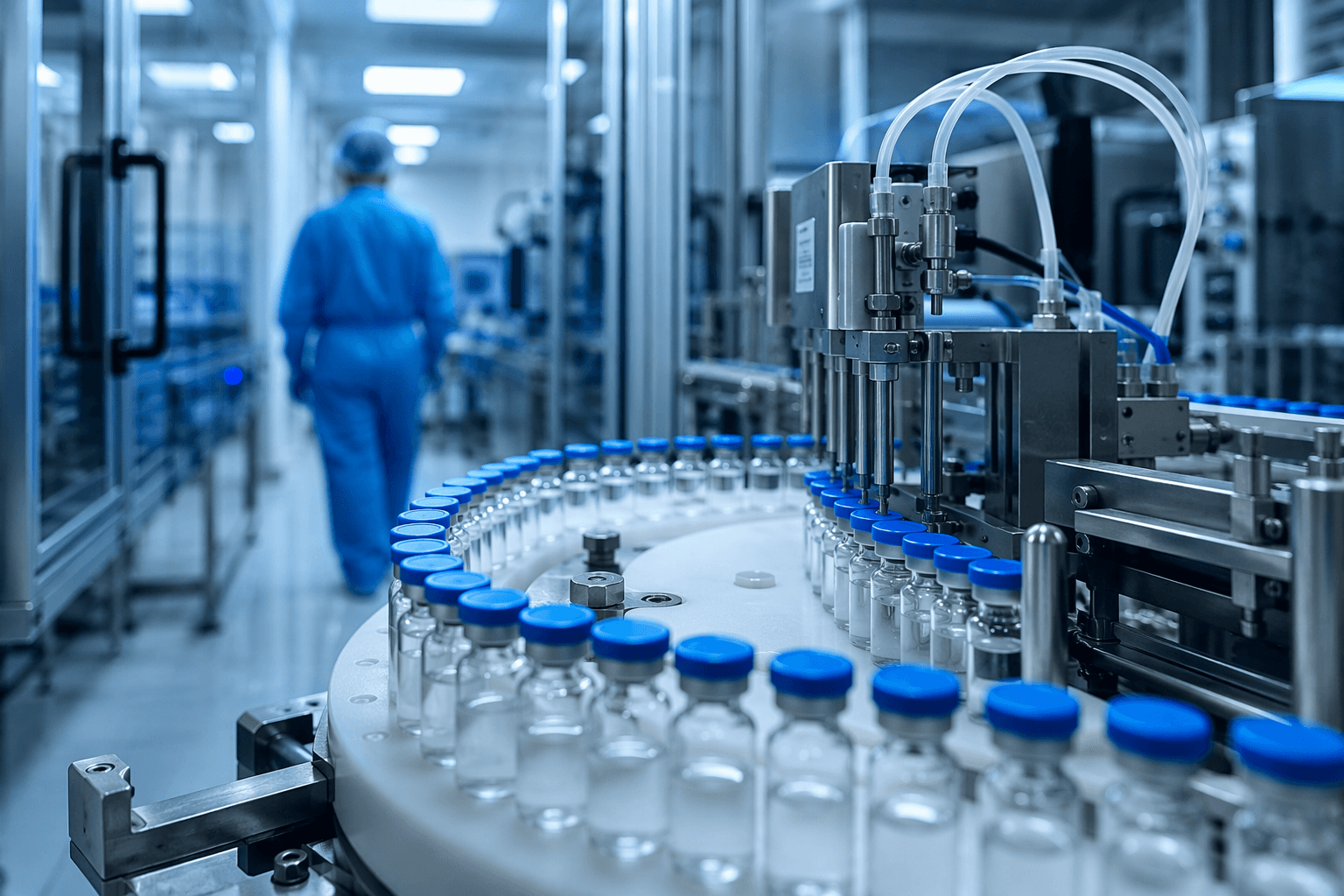
The deal is about more than adding revenue. PolyPeptide is a Swiss contract drugmaker and a global CDMO focused on peptide-based active pharmaceutical ingredients, the kind of manufacturing know-how that has become more important as obesity, diabetes, oncology and rare-disease pipelines expand. Peptides are central to a growing class of medicines, including GLP-1 drugs, and control of that production can determine who scales fastest, who gets product into the market first and who can keep supply flowing when demand surges.
Samsung Biologics said the acquisition would advance its multi-modality strategy and expand its global network across the United States, Europe and India. That would deepen its reach across the biologics value chain and add more depth in a segment where technical expertise, quality control and geographic redundancy are becoming strategic assets rather than back-office functions. For PolyPeptide, the transaction would bring the backing of a much larger industrial owner and the capital needed to compete for global pharmaceutical contracts.
The timing fits a broader consolidation pattern in life sciences manufacturing, where scale and supply-chain resilience are becoming as important as the science itself. Drugmakers want more secure production lines, faster scale-up and less dependence on single sites or narrow supplier pools. If Samsung Biologics closes the deal, it would strengthen one of Asia’s largest biomanufacturing players in a market where control of factories, not just drug formulas, is shaping the next phase of competition.
This article was produced by Prism’s automated news system from verified source data, official records, and press releases, then run through automated quality and moderation checks before publishing. The system is built and supervised by the people who set the standards it runs under. Read our full AI policy.
Did this article answer your question?