Northrop Grumman raises 2026 outlook on strong weapons demand
Northrop Grumman lifted its 2026 outlook as weapons demand stayed strong, signaling that conflict and rearmament are still driving defense growth.
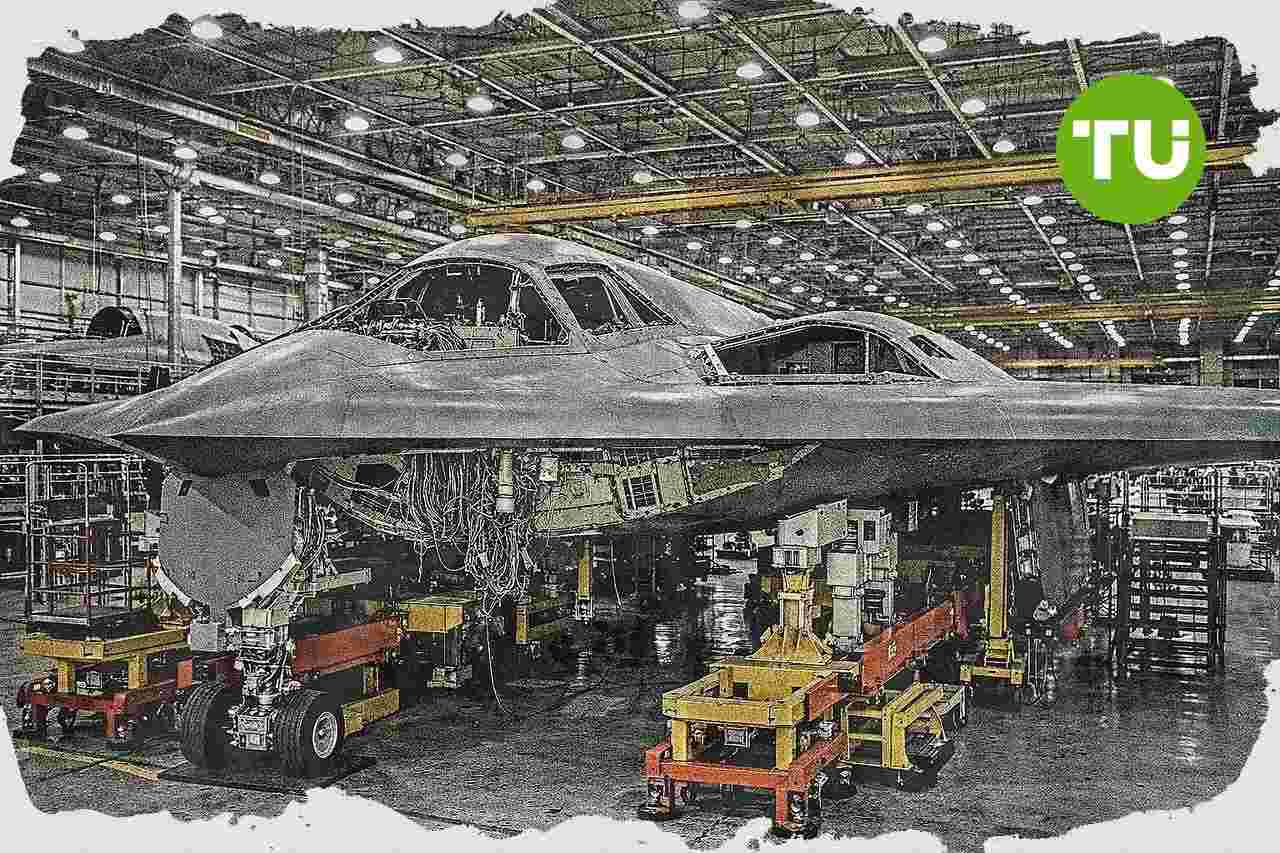
Northrop Grumman raised its 2026 outlook after seeing solid demand for weapons and related systems, a signal that government procurement is still feeding the defense industry. The stronger forecast points to backlog strength and enough visibility for management to expect production to hold up well into the future.
The company is one of the major U.S. defense names whose earnings depend on long procurement cycles and large government programs. Its portfolio reaches across missiles, aircraft systems, sensors and space-related programs, all of which tend to move with Pentagon budgets and big contract awards rather than with the broader consumer economy.
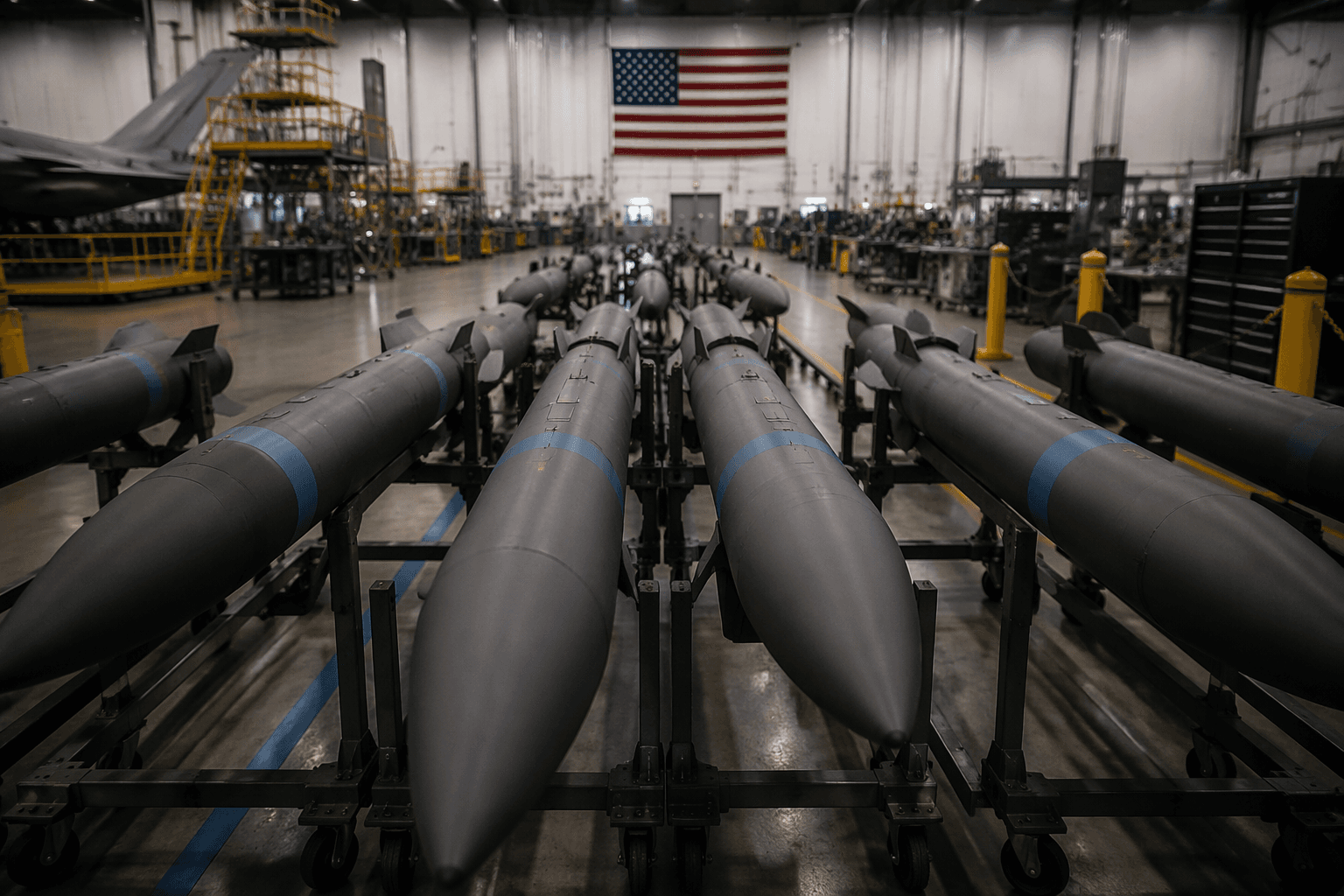
That demand is being reinforced by a security environment shaped by conflict and rearmament across Europe, the Middle East and the Indo-Pacific. Governments are replenishing stockpiles and accelerating new purchases, keeping orders flowing for high-value equipment that can take years to design, test and deliver.
For Northrop, sustained demand can mean more than higher sales. It can require expanding production, hiring additional workers and managing supply chains that stretch across multiple states and subcontractors. Those choices affect margins, delivery schedules and how quickly the company can turn new awards into revenue.
The upgraded forecast also carries a wider market message. Aerospace and defense remain relatively insulated from the macroeconomic uncertainty affecting other sectors, and investors continue to treat the group as a beneficiary of elevated geopolitical risk. For policy makers, the result is a reminder that defense budgets continue to translate directly into corporate earnings and industrial activity as governments pay for readiness and deterrence.
This article was produced by Prism’s automated news system from verified source data, official records, and press releases, then run through automated quality and moderation checks before publishing. The system is built and supervised by the people who set the standards it runs under. Read our full AI policy.
Did this article answer your question?