Trump imposes 50% tariffs on Canadian goods, escalating trade tensions
Trump hit Canadian imports with 50% tariffs covering about $20 billion in goods, raising fresh risks for wine, dairy, autos and North American supply chains.
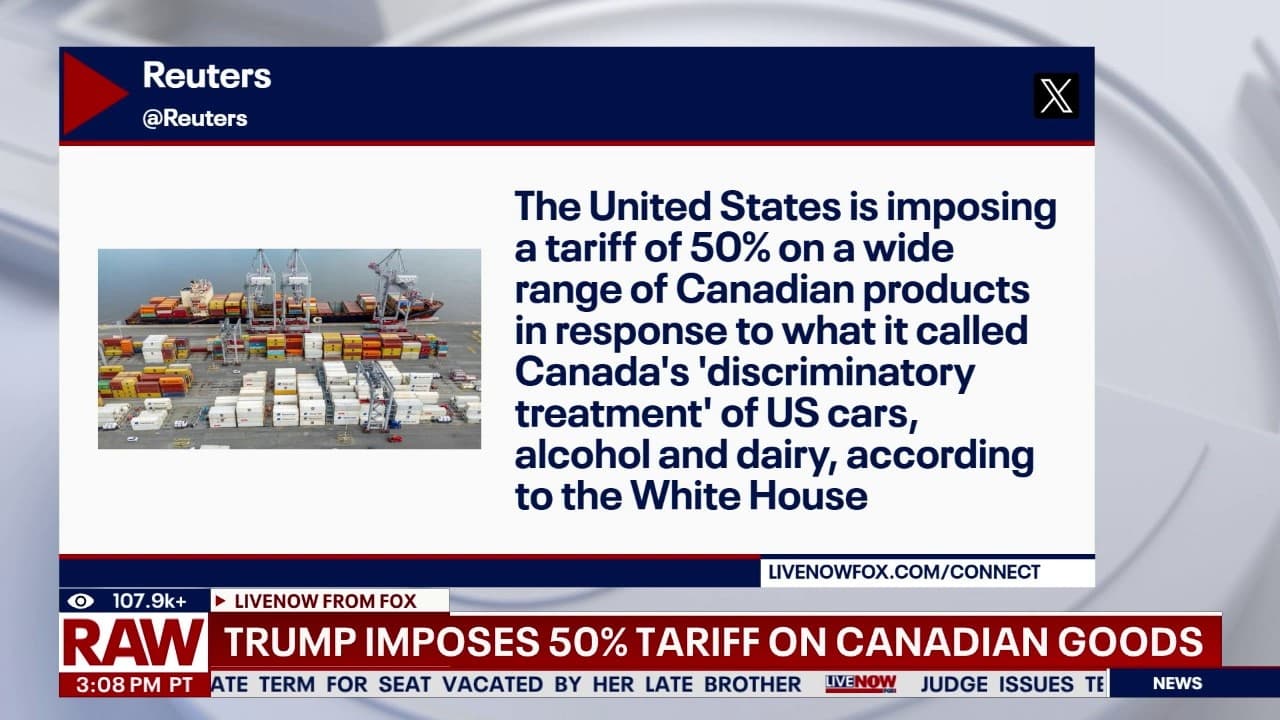
President Donald Trump imposed 50% tariffs on a wide range of Canadian goods on July 20, targeting about $20 billion in imports and putting wine, hockey sticks, cement, dairy items and automobiles in the crosshairs. The White House said the move was retaliation for Canada’s “substantial retaliation” against the United States, and the duties were set to take effect in 30 days, on Aug. 19, 2026.
Treasury Secretary Scott Bessent called the 50% levy “reciprocity” in an interview with Fox Business. The administration framed the action as a response to Canadian provincial alcohol bans, dairy supply management and car quotas, part of a broader dispute that had already been shaped by Trump’s tariffs in 2025.
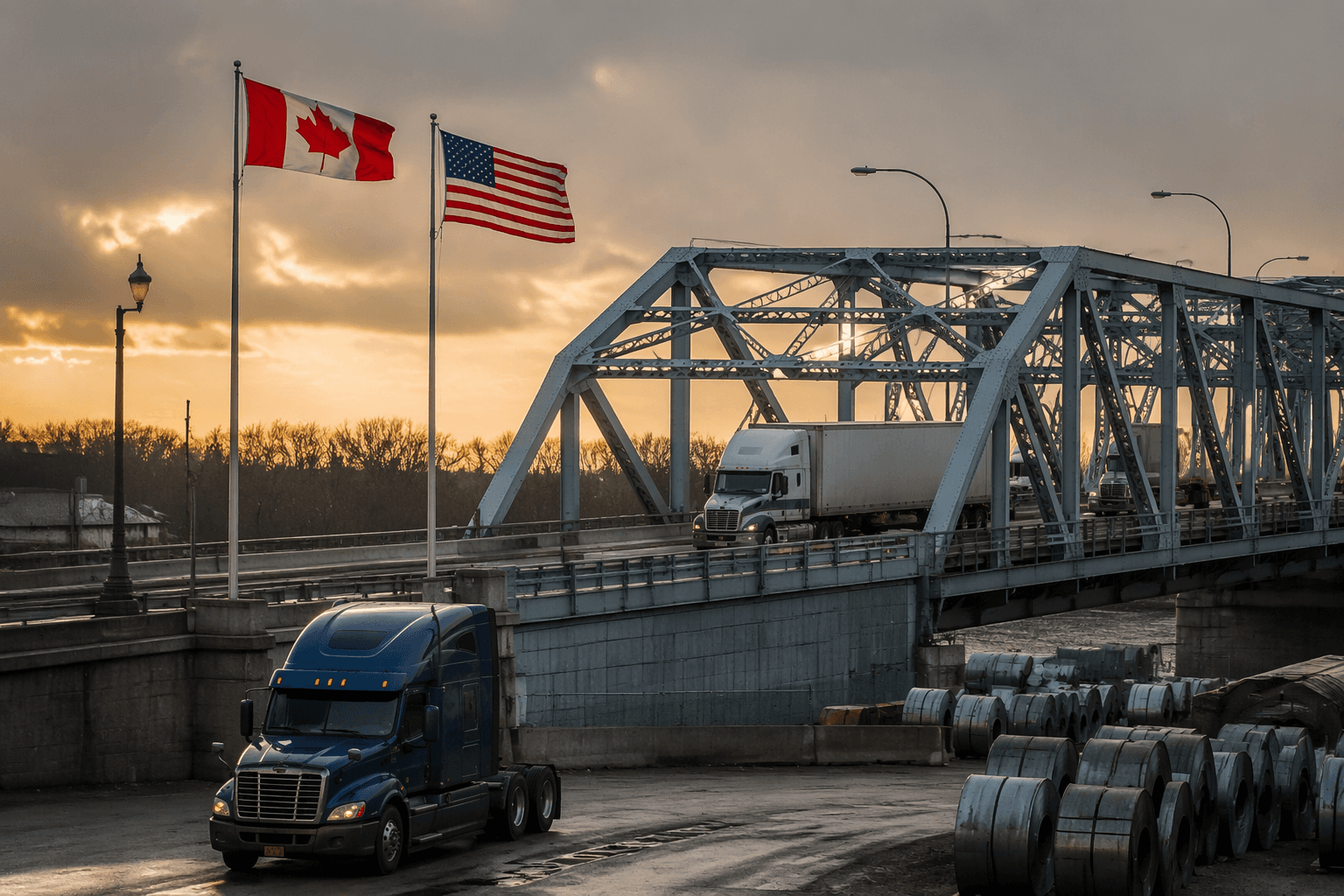
The final implementation language could still determine exactly which goods are caught, but the announcement pointed to a broad hit across consumer and industrial imports. Energy and potash were expected to remain exempt under sector-specific carveouts, even as the tariff list threatened categories that move through grocery aisles, liquor stores, farm supply chains and factory procurement desks.
The domestic fallout is likely to show up first in import prices and inventory decisions. Canadian wine can flow quickly into retail channels, dairy products sit close to the consumer price index, and automobiles and cement feed longer, more complex supply chains. Because the United States and Canada are deeply integrated in manufacturing, agriculture and retail logistics, companies on both sides of the border began confronting the tariff shock before the duties even took effect.
That makes the next month crucial for farmers, automakers and beverage importers. If Canada answers with its own duties and U.S. firms pass along higher input costs, consumers could see price increases in finished goods, while businesses face a new layer of volatility in cross-border sourcing and shipping. The action also sharpened a diplomatic break with a partner that has long been one of Washington’s closest allies, signaling that the White House is prepared to use tariffs not just as leverage, but as a central tool of North American trade policy.
This article was produced by Prism’s automated news system from verified source data, official records, and press releases, then run through automated quality and moderation checks before publishing. The system is built and supervised by the people who set the standards it runs under. Read our full AI policy.
Did this article answer your question?