Why men are spending big on status outerwear
Men are buying outerwear as a visible status code, not just a layer against the cold. The result is a market where a jacket can signal wealth, taste and ambition in one move.
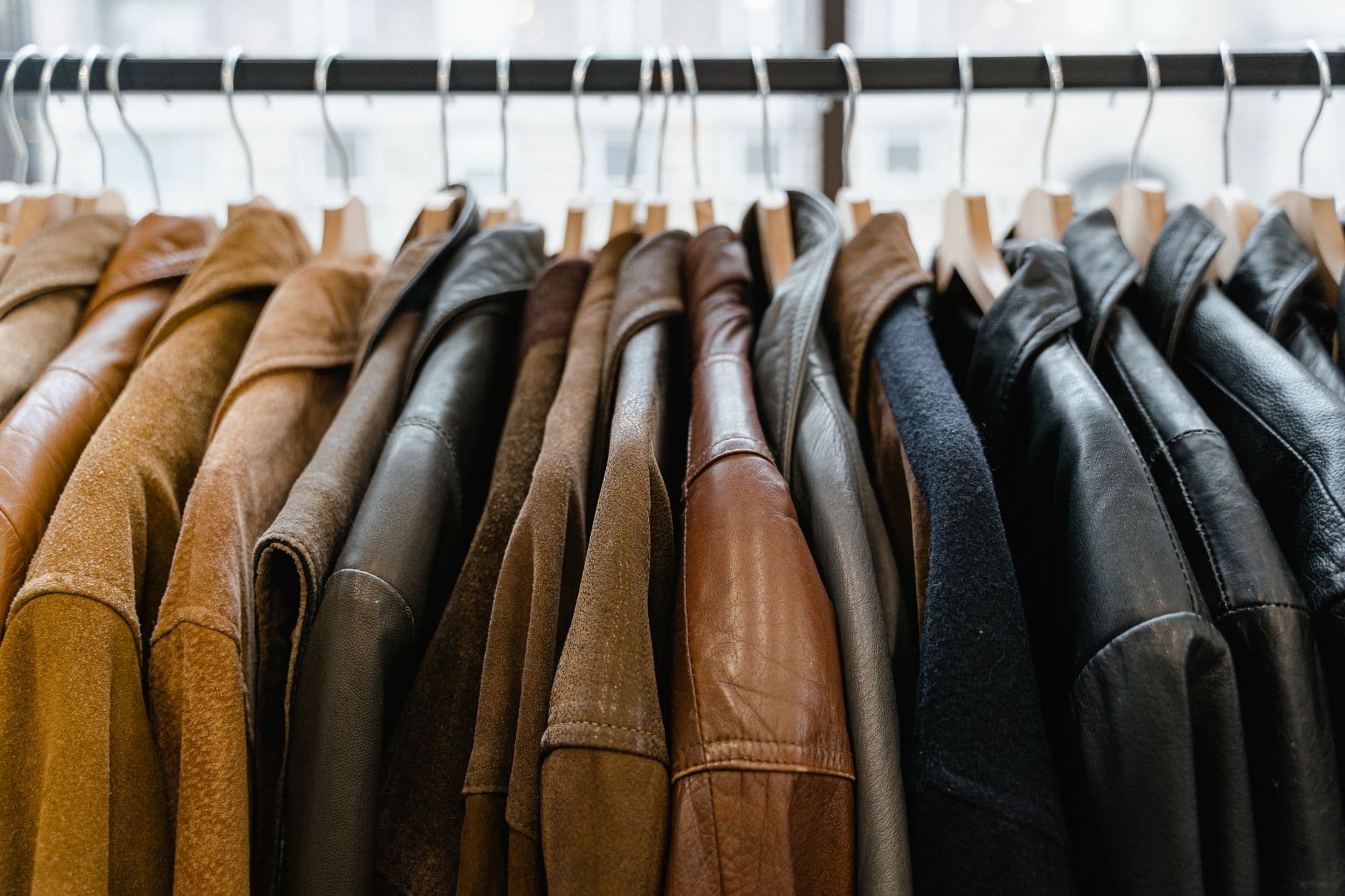
A jacket has become one of the clearest signals a man can wear. In menswear, expensive outerwear now does more than fight winter weather: it broadcasts taste, money, belonging and a willingness to pay for identity, all before a single word is spoken.
The status signal behind expensive outerwear
The speed of this cycle is part of the story. A Jan. 16, 2025 New York Post headline captured the whiplash around a trendy $300 North Face puffer, which had been the fashion item everyone wanted only weeks earlier before the backlash set in. That kind of turn is revealing because it shows how quickly a mass-market piece can lose its cachet once it becomes too visible.
For men, that visibility matters. Outerwear sits on top of everything else, so it does a job that a sweater or shirt cannot: it tells the room, and the street, how much value the wearer places on image. That makes a coat or puffer less like a simple purchase and more like a social instrument, especially when the economy feels unstable and consumers are looking for objects that justify a higher price tag with obvious public payoff.
How Canada Goose turned utility into aspiration
Canada Goose is the clearest example of that shift. Business Insider’s Feb. 1, 2025 video says the brand became synonymous with wealth, celebrity and Hollywood, which is a long way from its roots as a little-known maker of utilitarian outerwear. The same description says chief executive Dani Reiss has led the company since 2001, the period in which the brand moved from practical cold-weather gear into a luxury status symbol.
That transformation matters because it shows how premium outerwear is built on more than insulation. The product story can start with function, but the market rewards the moment a jacket becomes legible as a sign of taste and privilege. Once a coat is linked with celebrity and upscale urban life, the price becomes part of the appeal rather than a barrier to it.
Why men pay for identity in a jacket
This is where the psychology of menswear comes in. A lot of men are not just buying clothes, they are using them to shape an image of the self: disciplined, successful, in the know and hard to imitate. A high-priced jacket offers a neat answer to all four, because it compresses style, utility and status into one highly visible item.
That is also why the market can make an expensive outerwear piece feel like a rational indulgence. A winter jacket is worn repeatedly, photographed often and noticed immediately, so its social return is easier to see than the payoff from many other luxury goods. MEL Magazine’s piece, “This Is Why Winter Jackets Are Surprisingly Expensive,” sits inside that same conversation, where the price is never just about fabric and filling, but about what the garment is supposed to communicate.
The result is a premium-consumption logic that fits a shaky economy. When shoppers are cautious, they often become more selective rather than less aspirational, and one expensive jacket can substitute for a larger wardrobe refresh. Men especially can use outerwear to project self-optimization without looking overdone, since a strong coat reads as practical first and luxurious second.
What the market says about the bet on outerwear
The broader category is large enough to support that behavior. Market Research Future estimates the men’s coats and jacket market at $143.12 billion in 2024 and projects it to reach $207.23 billion by 2035, a 3.42 percent compound annual growth rate. That is not a niche signal; it is a huge retail lane in which brands can compete for both necessity spending and prestige spending.
A separate Market Research Future estimate for the U.S. jackets market puts it at $56.03 billion in 2024 and $101.09 billion by 2035, with a 5.51 percent annual growth rate. Those forecasts underline why outerwear remains attractive to brands that want durable demand even as tastes move quickly. The same coat that looks overexposed one month can still anchor a category worth tens of billions, because weather never stops and status rarely goes out of season.
That is the core of the $770 jacket story. The garment is valuable not only because it is warm or well made, but because it helps men make themselves legible in public, especially when other markers of success feel less stable. In that sense, status outerwear is less about fashion trivia than about how modern masculinity gets priced, worn and displayed.
This article was produced by Prism’s automated news system from verified source data, official records, and press releases, then run through automated quality and moderation checks before publishing. The system is built and supervised by the people who set the standards it runs under. Read our full AI policy.
Did this article answer your question?