Appeals court weighs Trump White House ballroom construction dispute
A federal appeals panel weighed whether Trump could keep building a 90,000-square-foot ballroom on the former East Wing site before Congress approved it.
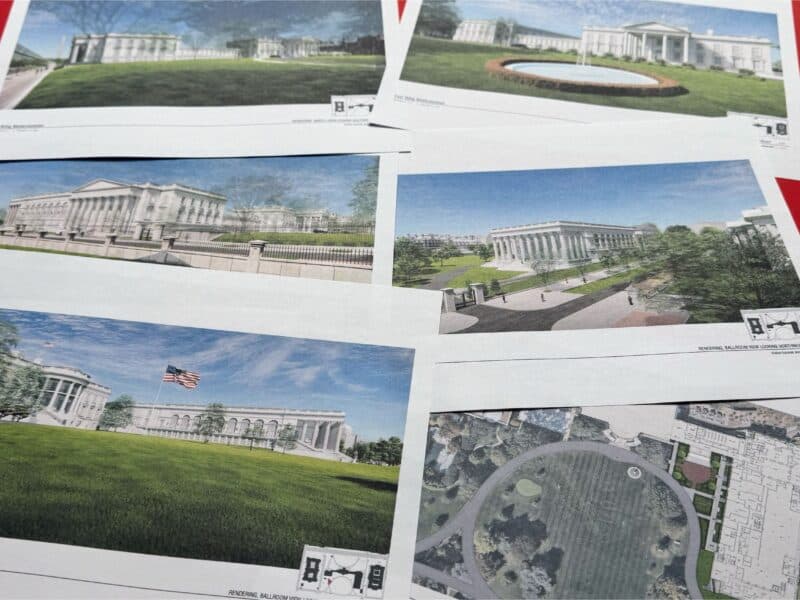
Three appellate judges heard a fight over whether President Donald Trump could keep building a massive White House ballroom on the ruins of the East Wing while the legal challenge was still alive. The U.S. Court of Appeals for the D.C. Circuit took up National Trust for Historic Preservation v. NPS, No. 26-5123, with Judges Patricia Millett, Neomi Rao and Bradley Garcia considering whether to let construction continue or uphold a lower-court order that had halted the project.
The case centers on an unusual move by a president advancing a major White House construction project without congressional approval. U.S. District Judge Richard Leon ruled that Trump had gone beyond his authority, first blocking the project in March 2026 and later allowing only below-ground work. The administration asked the appeals court to wipe out that ruling and let the project proceed on the former East Wing site in Washington, D.C.
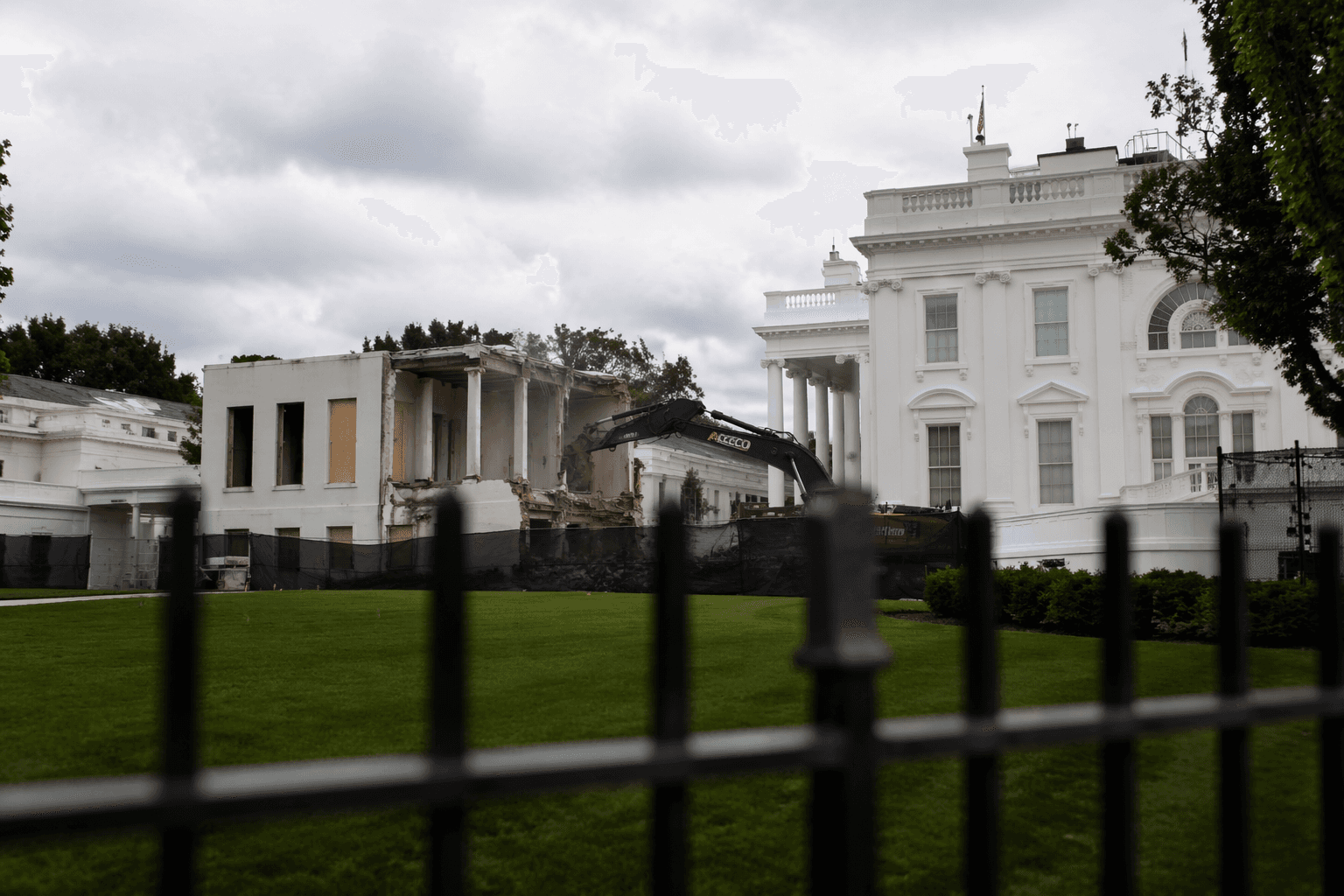
In court filings, the White House described the ballroom as part of an East Wing Modernization Project and cast it as a national-security necessity. Those filings said the complex would include a bunker, bomb shelters, hospitals, medical facilities, a drone port and sniper nests. Trump has framed the ballroom as a long-overdue addition to the White House complex, with private donations from wealthy individuals and corporations expected to cover the project and public money reserved for security-related work.
The National Trust for Historic Preservation sued after the East Wing was demolished in October 2025, arguing that the administration had to follow the law and obtain congressional approval before building. Carol Quillen, the group’s president and chief executive, said the Trust was not voluntarily dismissing the lawsuit and that construction was continuing at least through June 5 because the injunction was on hold. She said the organization has long recognized the value of a larger meeting space at the White House, but insisted it had to be built lawfully.
The legal battle has already moved in fits and starts. On April 17 and 18, a D.C. Circuit panel temporarily stayed Leon’s order and allowed construction to continue into June pending a fuller hearing. During Friday’s argument, Millett pressed the administration’s theory, suggesting it amounted to “move fast and break things and nobody has standing.”
The dispute has also cleared some government review, including a unanimous February 2026 approval from the Commission of Fine Arts. A 31-page report with updated renderings from multiple angles was submitted to the reviewing panels. With the appeals court now considering the case, the fight over the ballroom has become a test of presidential power, historic preservation and who gets to police the use of taxpayer money at the White House.
This article was produced by Prism’s automated news system from verified source data, official records, and press releases, then run through automated quality and moderation checks before publishing. The system is built and supervised by the people who set the standards it runs under. Read our full AI policy.
Know something we missed? Have a correction or additional information?
Submit a Tip