Apple lobbies Trump administration to buy Chinese memory chips
Apple sought approval to buy memory chips from CXMT even as Pentagon records kept the Chinese maker on its military-company list.
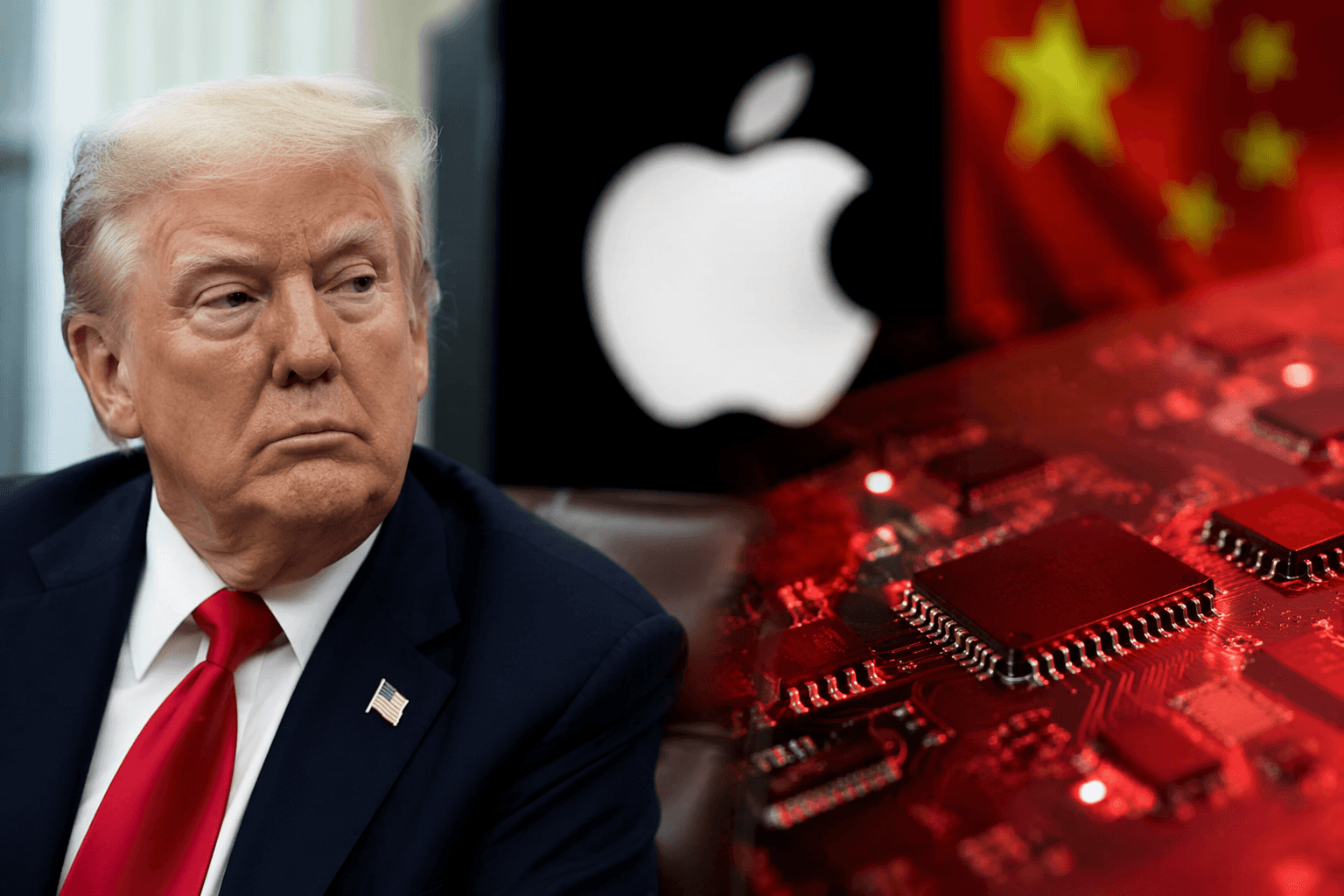
Apple has asked the Trump administration for permission to buy memory chips from ChangXin Memory Technologies, the Chinese supplier the Pentagon has kept on its Section 1260H list of Chinese military companies. The request lands as memory prices climb under pressure from AI data-center buildouts, forcing one of the world’s largest consumer-tech companies to choose between supply security and political risk. The White House, Apple and CXMT did not immediately respond to requests for comment.
The lobbying push came just a day after Apple raised prices on some Mac and iPad models on June 25, 2026, saying it could no longer shield customers from soaring memory and storage chip costs. The iPhone was not affected. That split underscores how far the squeeze has spread: memory, once treated as a commodity input, is now shaping product pricing, sourcing decisions and the pace at which Apple can absorb higher manufacturing costs.
Pentagon records show why CXMT is such a sensitive target. The company appeared in the Defense Department’s January 7, 2025 Section 1260H notice and was included again in the Pentagon’s June 8, 2026 update. A February 2026 report said CXMT and Yangtze Memory Technologies had been removed from the list in an earlier update before being restored, a sign that Washington has already adjusted the designation at least once. For Apple, that history makes any waiver request more than a routine procurement question.
The broader stakes extend well beyond one supplier. AI infrastructure spending has tightened the memory market, lifting prices for chips that go into everything from laptops to data-center servers. Apple is trying to preserve manufacturing flexibility at a moment when procurement choices are increasingly political, and when access to a Chinese supplier can collide with U.S. national-security policy.
If Washington grants Apple an exception, even a narrow one, other U.S. companies will see a possible path through the restrictions that now surround Chinese chipmakers. If it refuses, Apple will have to keep navigating a tighter and more expensive memory market just as its own pricing power is being tested.
This article was produced by Prism’s automated news system from verified source data, official records, and press releases, then run through automated quality and moderation checks before publishing. The system is built and supervised by the people who set the standards it runs under. Read our full AI policy.
Know something we missed? Have a correction or additional information?
Submit a Tip