Matter turns four as smart home interoperability still lags
Matter was meant to end smart-home setup pain, but four years on households still need the right hubs, border routers and app support to make it work.
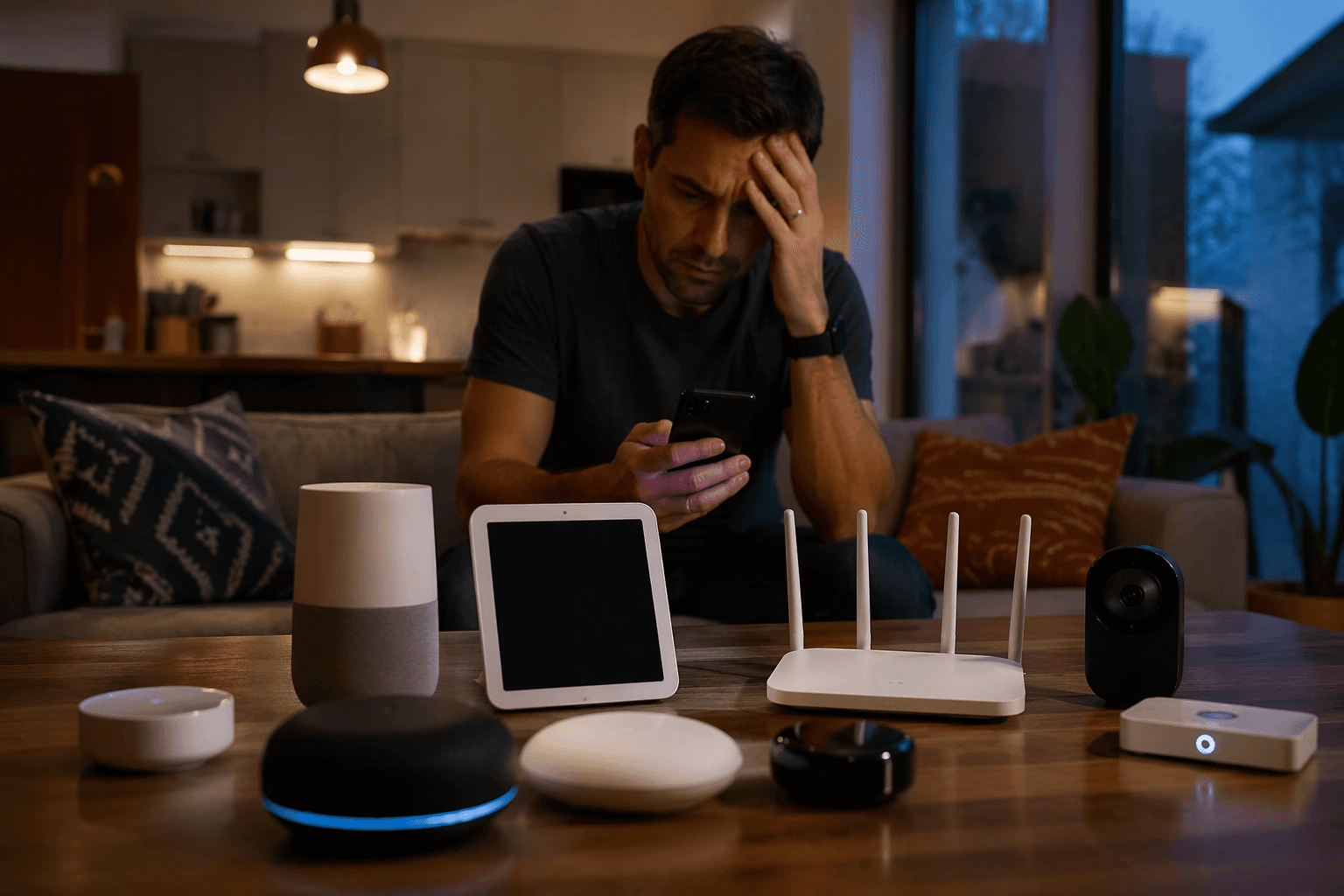
Matter was unveiled by the Connectivity Standards Alliance in Amsterdam as the smart-home industry’s answer to incompatible devices, fragmented ecosystems and repeated setup headaches. The effort began in 2019 with Amazon, Apple, Comcast, Google, SmartThings and the CSA, and more than 180 member organizations were already involved when Matter was introduced in May 2021.
The promise hardened into a product on October 4, 2022, when the CSA released Matter 1.0 and opened certification after its board accepted the specification on September 28. The alliance said more than 280 member companies helped bring the standard to market, and a launch event in Amsterdam on November 3, 2022, showcased the first Matter products. Matter runs over Ethernet, Wi-Fi, Thread and Bluetooth Low Energy for commissioning, and the CSA says it can also work with older technologies such as Zigbee through bridges.
That technical breadth has not translated into instant simplicity in living rooms and kitchens. Google said on December 15, 2022, that Nest speakers, displays and Wi-Fi routers had been updated to work as hubs, while Nest Wifi Pro, Nest Hub Max and Nest Hub 2nd gen were functioning as Thread border routers. Google also said Android devices were being updated with Matter APIs and that iOS support for Google Home was planned for early 2023. In practice, that meant some homes gained a cleaner setup path, but only if they already owned the right Nest hardware or were willing to wait for app support to catch up.
Amazon took a similarly phased approach, saying it would start with Matter over Wi-Fi on select Echo devices plus smart plugs, switches and bulbs, with Android setup support. The company also said Matter support would roll out across more than 100 million Amazon devices. Its developer documentation now says Matter devices can connect directly to Alexa without a separate hub or smart home skill, a change meant to reduce latency and improve reliability. Apple’s documentation, meanwhile, emphasizes privacy and security and says users can pair and manage Matter accessories through iPhone or iPad apps that support Matter.

The alliance that launched Matter has grown from 15 companies when the Zigbee Alliance was founded in 2002 to about 500 companies by 2022. That scale has kept manufacturers invested in the standard, even as the household payoff remains uneven, with interoperability still depending on which hub, router, app and device a consumer already has.
This article was produced by Prism’s automated news system from verified source data, official records, and press releases, then run through automated quality and moderation checks before publishing. The system is built and supervised by the people who set the standards it runs under. Read our full AI policy.
Know something we missed? Have a correction or additional information?
Submit a Tip