Apple settles $250 million suit over delayed Siri AI features
Apple agreed to pay $250 million to end a suit over delayed Siri AI features, putting its AI credibility under sharper investor scrutiny.
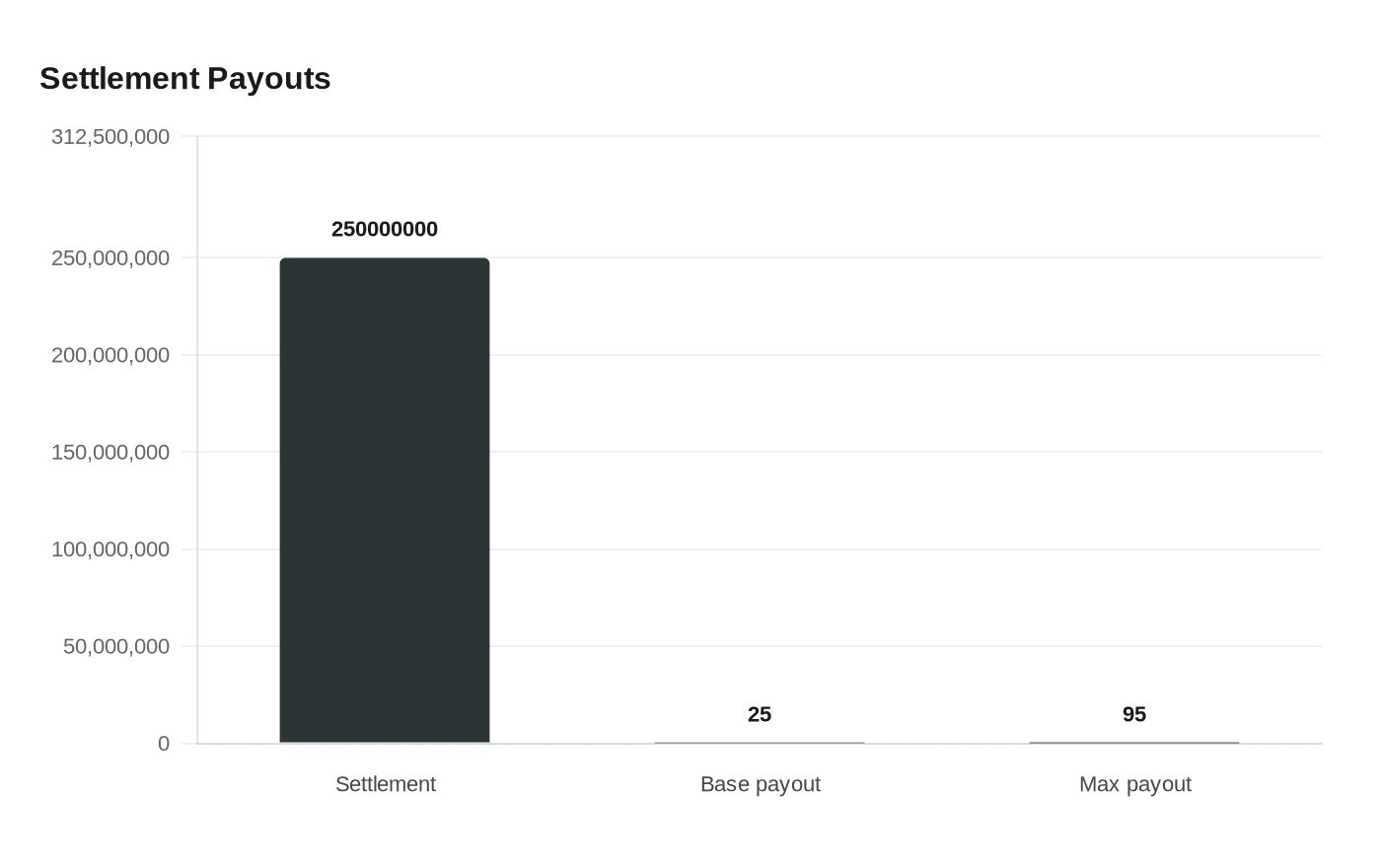
Apple agreed to pay $250 million to settle a shareholder lawsuit that turned a product delay into a credibility test for one of the world’s most valuable tech companies. The case centered on whether Apple overstated how quickly its AI ambitions for Siri would reach users, then watched the timetable slip.
The settlement resolved Landsheft v. Apple Inc., a class action filed by shareholder Peter Landsheft in the U.S. District Court for the Northern District of California. Judge Noël Wise was assigned to the case, and a motion-to-dismiss hearing had been scheduled for Jan. 7, 2026, in San Jose. Under the proposed terms, eligible U.S. buyers of iPhone 16 models and iPhone 15 Pro and Pro Max devices could receive roughly $25 per device, with the amount potentially rising to as much as $95 if fewer claims are filed, pending court approval.
The dispute began with Apple’s WWDC24 presentation in June 2024, when the company unveiled Apple Intelligence and described a broad set of AI upgrades, including a more personalized Siri, personal-context awareness and in-app actions. Apple then said in September 2024 that the first Apple Intelligence features would arrive the following month with iOS 18.1, iPadOS 18.1 and macOS Sequoia 15.1. On Oct. 28, 2024, Apple said Apple Intelligence was available on iPhone, iPad and Mac, highlighting Writing Tools, notification and Mail summaries, Clean Up in Photos and a more natural Siri.
The parts of the pitch that carried the most weight in the lawsuit were also the ones that moved slowest. In March 2025, Apple publicly acknowledged that the more personalized Siri features were taking longer than expected and said they would arrive in the coming year. Earlier reporting identified the disputed capabilities as Personal Context Awareness and In-App Actions, two features that were meant to make Siri feel less like a command line and more like a helper that understood what users were doing across apps.
Apple did not admit fault in the settlement, and it said it had already shipped numerous other Apple Intelligence features since 2024. That distinction matters: the company has argued that it delivered a substantial AI rollout while missing only the most visible Siri upgrade. But the lawsuit exposed the risk that comes when a company markets a device line around AI and ties customer demand, and investor expectations, to a feature set that is not yet ready.
The agreement eases one legal overhang, but it leaves the larger question intact: whether Apple can translate its AI marketing into shipped products on a timetable the market can trust. For a company that has sold the iPhone 16 as built for Apple Intelligence, the credibility gap around Siri is now as important as the software itself.
This article was produced by Prism’s automated news system from verified source data, official records, and press releases, then run through automated quality and moderation checks before publishing. The system is built and supervised by the people who set the standards it runs under. Read our full AI policy.
Did this article answer your question?