Wonder aims to let anyone launch a restaurant brand with AI
Wonder wants AI to spin up a restaurant brand in under a minute, but the bigger test is who carries the risk when a prompt becomes a meal.

Wonder is pushing past food delivery into a far more consequential question: if an AI prompt can create a restaurant brand in under a minute, who is responsible when that brand serves a bad meal, mislabels an ingredient, or replaces kitchen labor with machines?
Marc Lore said Wonder Create will let food entrepreneurs and social media influencers design and launch virtual restaurants that then run through Wonder’s kitchen network. TechCrunch said Wonder already had 120 tech-enabled kitchen locations and expected to reach 400 next year, turning the company’s operation into something closer to a distributed manufacturing system than a traditional restaurant chain.
That scale gives the idea real reach, but it also sharpens the regulatory stakes. Food safety, licensing, liability and labor oversight were built for identifiable restaurants with named operators, not for fast-created brands that can be pushed out across a shared network of kitchens. If a consumer complaint, inspection failure or worker dispute lands, the question will be whether the brand owner, the platform operator or the kitchen site itself carries the burden.
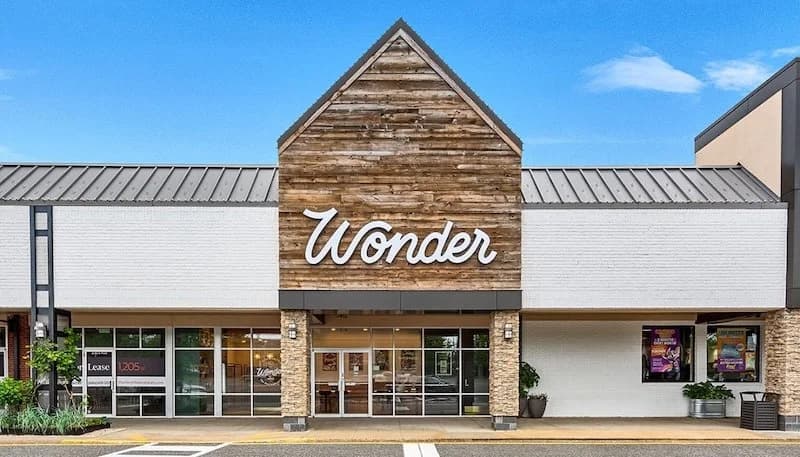
Wonder has been assembling the infrastructure for this model for years. Jefferies reported in May 2025 that the company had invested more than $1 billion in software engineering, culinary engineering and food science. At that point, Wonder had 50 locations, was targeting 200 by 2026 and was aiming for a standalone IPO in 2028. The same month, Wonder raised $600 million at a valuation above $7 billion, with backing from New Enterprise Associates, Accel, Google Ventures, Forerunner and Amex Ventures. Lore also added $100 million of his own capital.
The acquisitions have moved just as quickly. Wonder bought Blue Apron for $103 million in 2023, acquired Grubhub for an enterprise value of $650 million, including $500 million of senior notes and $150 million in cash, and later bought Tastemade for about $90 million. Wonder’s own site says it already offers delivery, takeout and dine-in from 20-plus iconic restaurants, showing how the company is stacking multiple brands onto a single operating footprint.
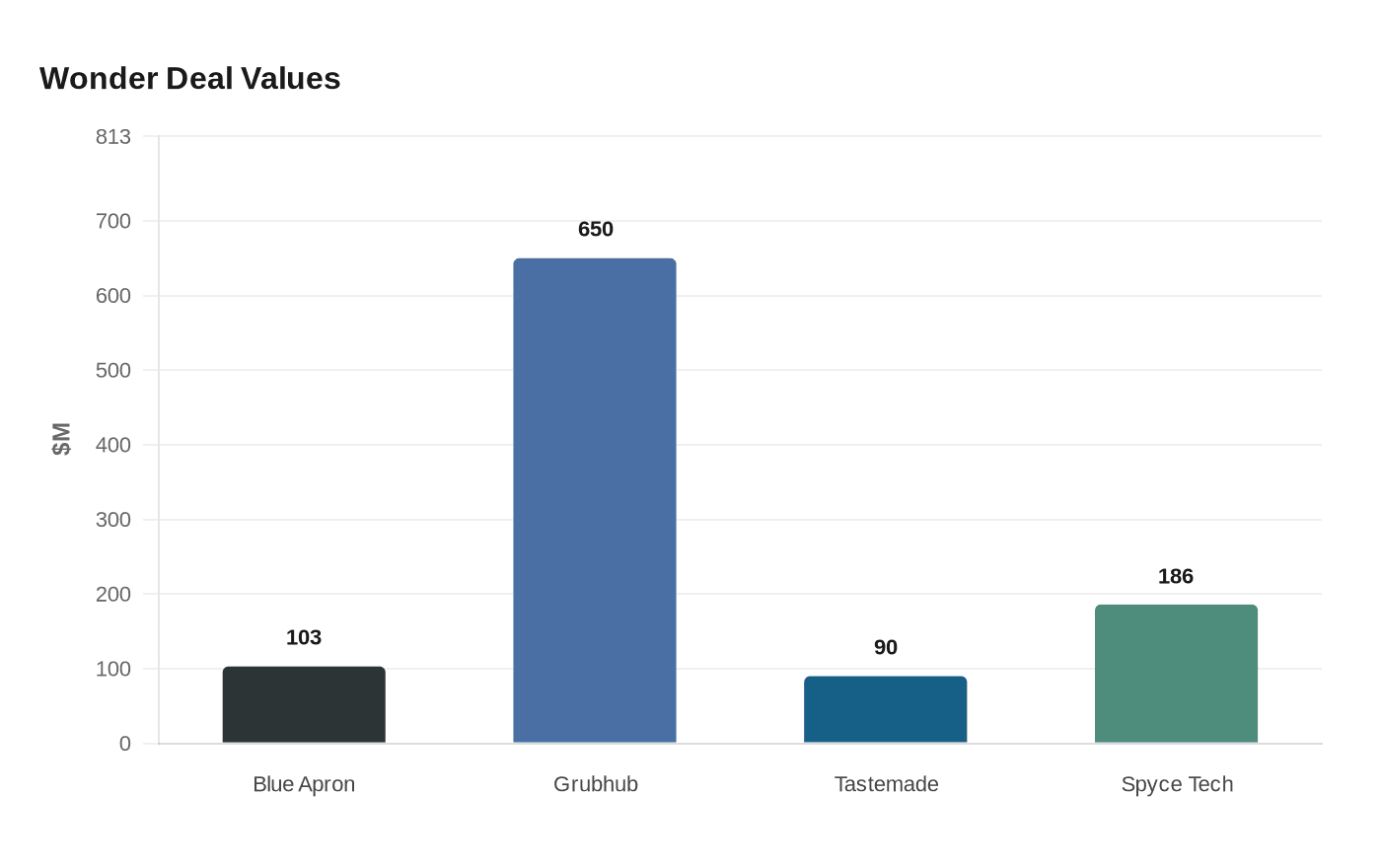
Automation is the next layer. Wonder bought Spyce’s Infinite Kitchen technology from Sweetgreen in 2025 for $186 million. Restaurant Business reported the system was already making salads and grain bowls at more than 20 Sweetgreen locations, and that Wonder plans to test it in New York City before broader installations. Wonder has said it wants Infinite Kitchen in half of new kitchens starting in 2027 and believes the technology could eventually support more than 100 restaurants across cuisines from a small kitchen.
That is the real policy test behind the hype. Wonder is proving that AI can lower the barrier to launching a food brand, but it is also showing how quickly power can concentrate in the platform that controls the kitchens, the delivery channels and the data. The promise is entrepreneurial access; the unresolved question is whether the public gets more competition, or merely a more automated middleman.
This article was produced by Prism’s automated news system from verified source data, official records, and press releases, then run through automated quality and moderation checks before publishing. The system is built and supervised by the people who set the standards it runs under. Read our full AI policy.
Did this article answer your question?