Brockman Rebuts Musk in OpenAI Trial Over Company’s Original Mission
Brockman told jurors Musk once sought full control of OpenAI, saying of a 2017 meeting, “I thought he was going to hit me.”

Greg Brockman used his time on the witness stand to recast the fight over OpenAI as a struggle over control, not just ideology. In federal court in Oakland, California, the OpenAI president told a nine-person jury that Elon Musk supported turning the startup into a for-profit company, but wanted full authority over it as part of a plan to raise $80 billion to colonize Mars.
Brockman’s testimony came during the second week of a month-long trial that began April 28, 2026, and has already put OpenAI’s governance under a harsh spotlight. Musk testified for more than seven hours over three days in the first week, repeating his claim that OpenAI was diverted from its nonprofit mission. Brockman spent his turn largely rebutting Musk’s account of the company’s early years and presenting a very different picture of the billionaire’s ambitions inside the lab.
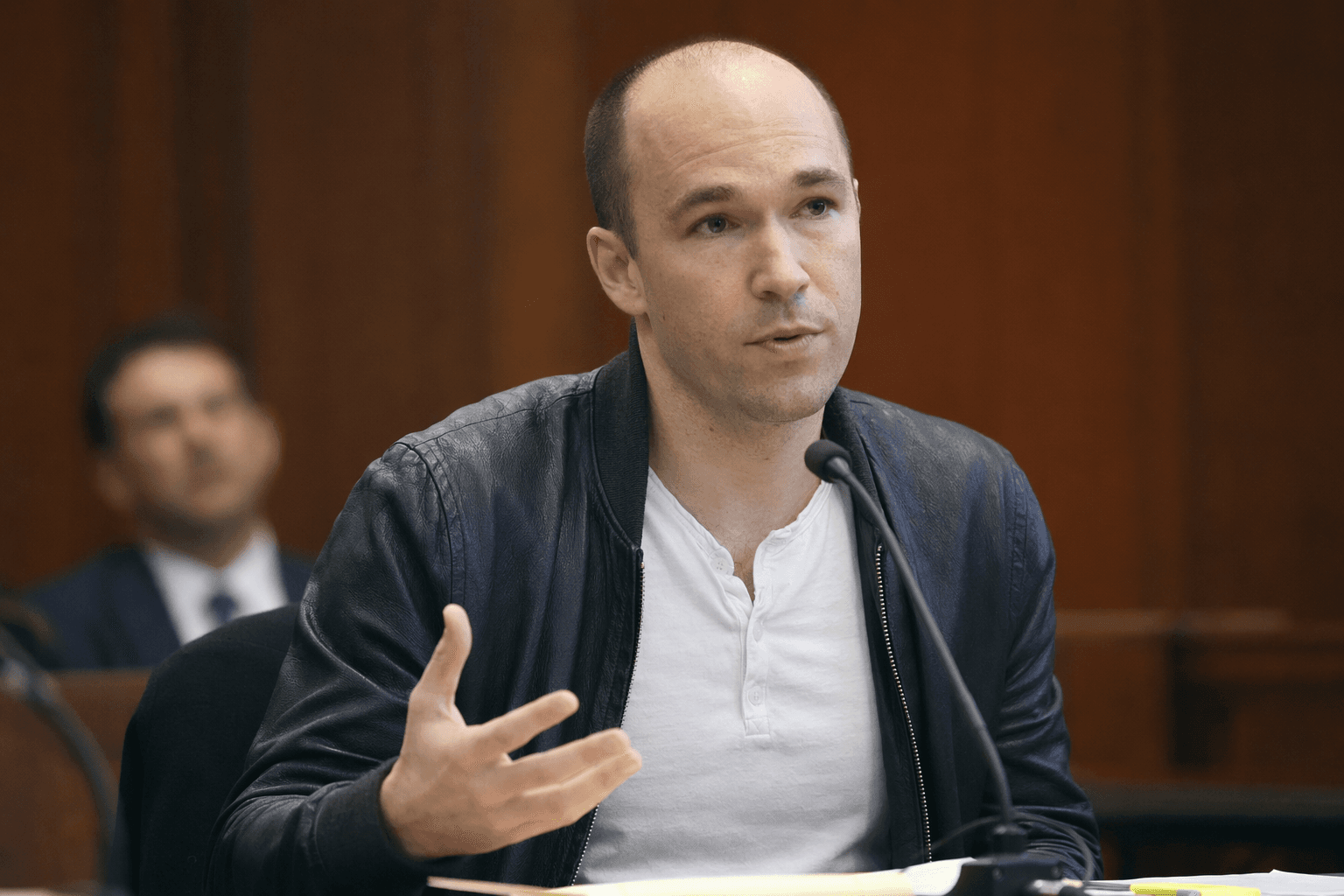
The sharpest moment centered on a 2017 meeting, when Brockman said Musk pushed for more control of OpenAI and the room turned tense enough that Brockman feared for his safety. “I thought he was going to hit me,” Brockman testified. The clash underscored how personal the company’s internal battles became even as OpenAI was positioning itself as one of the most consequential builders of artificial intelligence in the United States.
Brockman also testified about a 62.5 percent majority control bid that board members denied Musk in 2017, deepening the portrait of a founder who wanted governance power to match his financial and strategic ambitions. The trial has become a test of whether mission-driven AI companies can raise massive amounts of capital while changing their structure, a question with implications far beyond OpenAI. If jurors or later courts accept Musk’s view, it could shape how future AI labs balance nonprofit roots, investor demands and public accountability.
The case also has a starkly personal financial dimension. Brockman disclosed that his stake in OpenAI is worth nearly $30 billion, a figure that sharpened questions about how closely the company’s leaders are tied to its value. Separately, a filing said Musk contacted Brockman about a settlement two days before trial began and later warned Brockman and Sam Altman that by the end of the week they would be “the most hated men in America.”
Musk sued OpenAI, Altman and Brockman in 2024, accusing them of violating the company’s original nonprofit purpose. OpenAI has called those claims baseless. As Brockman’s testimony made clear, the case is also about who gets to steer nationally important AI systems when the people building them disagree on mission, money and power.
This article was produced by Prism’s automated news system from verified source data, official records, and press releases, then run through automated quality and moderation checks before publishing. The system is built and supervised by the people who set the standards it runs under. Read our full AI policy.
Did this article answer your question?