Apple tests iPhone lock that triggers during snatch-and-grab thefts
Apple is testing an iPhone lock that can kick in mid-snatch, using motion, location and Apple Watch proximity to shut thieves out fast.
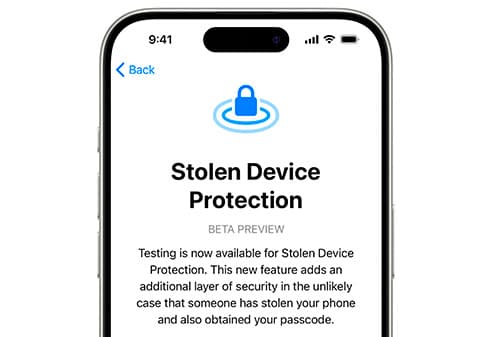
Apple is testing an iPhone lock designed for the split second a thief rips a handset from a user’s hand, a move that would push the company further into the battle over post-theft security. The feature is aimed at snatch-and-grab thefts that happen while the phone is still unlocked, the brief window that lets criminals move fast before a victim can react.
The system would build on Stolen Device Protection, which Apple released with iOS 17.3 on January 22, 2024. Apple says that safeguard adds extra security when an iPhone is away from familiar locations such as home or work, and some sensitive actions require Face ID or Touch ID with no passcode fallback. The new lock would go after a different problem: a thief who grabs an unlocked phone and tries to exploit the passcode in the first minutes after the theft, a period cybersecurity experts often call the golden hour.

To detect that kind of attack, the feature would use motion data from the accelerometer, and possibly the gyroscope and other sensors, to look for the violent movement of a snatch. It could also compare the distance between the iPhone and a paired Apple Watch, if the owner wears one, as another signal that the phone has been abruptly separated from its user. The phone may also check whether it is at a familiar place such as home or work, or connected to a trusted Wi-Fi network, before deciding to apply the lock.
If the system triggers, the iPhone would lock and rely on biometrics for critical actions, including access to passwords and banking apps. That design makes the tradeoff clear: the more signals Apple uses to catch a genuine theft, the more likely it is to avoid leaving the phone open to a fast criminal. But any aggressive lock also raises the risk of false alarms for people in rushed, jostling, or unusual situations where the sensors read chaos as a snatch.
Apple is not alone in moving this way. Google says Android’s Theft Detection Lock uses on-device machine learning and device signals to detect possible theft attempts and automatically lock the screen. Google has said its theft-protection suite rolled out to Android 10+ devices through Google Play services, with some features in Android 15, after beta testing in Brazil.
ESET Global Cybersecurity Advisor Jake Moore said the extra data points could make Apple’s approach especially effective, though sophisticated criminals still use tools that can defeat locked devices. The broader direction is unmistakable: smartphone makers are moving beyond device recovery and toward making a stolen phone far less useful the moment it leaves an owner’s hand.
This article was produced by Prism’s automated news system from verified source data, official records, and press releases, then run through automated quality and moderation checks before publishing. The system is built and supervised by the people who set the standards it runs under. Read our full AI policy.
Know something we missed? Have a correction or additional information?
Submit a Tip