Blue Origin New Glenn explodes during hot-fire test in Florida
A New Glenn hot-fire test ended in a pad explosion at Cape Canaveral, jolting Blue Origin’s lunar plans and widening the race gap with SpaceX.

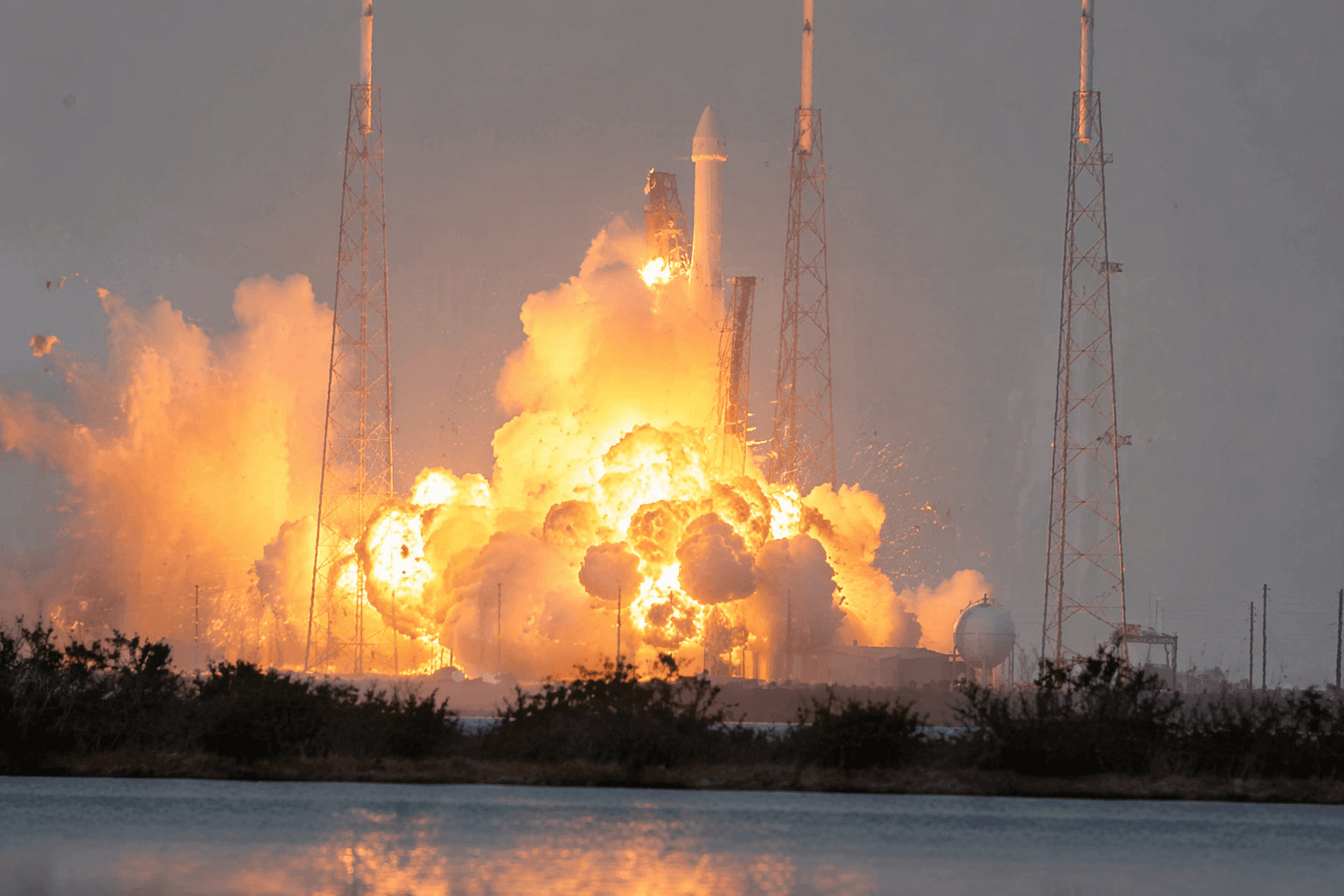
Blue Origin’s New Glenn rocket exploded during a hot-fire test at Cape Canaveral Space Force Station’s Launch Complex 36, turning a routine prelaunch check into a setback with far wider consequences than one damaged pad. No injuries were reported and officials said the public was not at risk, but Blue Origin warned that debris could wash ashore on local beaches in the coming days or weeks.
The vehicle was being readied for its fourth launch, which was supposed to carry 48 Amazon Leo satellites into low Earth orbit. The satellites were not attached at the time of the incident, and Amazon said they remained secure at a nearby processing facility, with all personnel safe and accounted for. Blue Origin said an anomaly occurred during the test and said it would investigate the failure before returning to flight.
The blast lands at a sensitive moment for Blue Origin’s commercial ambitions. New Glenn is the company’s giant reusable orbital rocket, designed to lift more than 13 metric tons to geostationary transfer orbit and 45 metric tons to low Earth orbit. Blue Origin says the first stage is built for at least 25 flights, and the company had said upgrades announced in November 2025 were intended to improve payload performance, launch cadence and reliability. The company’s most recent New Glenn mission, NG-3, lifted off from the same Cape Canaveral complex on April 19, 2026.
The failure matters beyond one rocket because Blue Origin is fighting for position in a market where launch reliability, cadence and government trust determine leverage. NASA says Blue Origin and SpaceX are both central to its Human Landing System program, with SpaceX developing landers for Artemis III and Artemis IV and Blue Origin developing Blue Moon for Artemis V. NASA is also moving toward Artemis III missions that will test rendezvous and docking between Orion and commercial landers from both companies, making any delay in Blue Origin’s schedule potentially more consequential.
The timing underscores that pressure. The Cape Canaveral explosion came less than a week after SpaceX carried out a largely successful test of its next-generation Starship rocket, widening the contrast between the two rivals as NASA and commercial customers decide where to place their confidence. Jeff Bezos said the company would rebuild what needed rebuilding and that it was too early to know the root cause. Elon Musk, whose SpaceX remains Blue Origin’s clearest benchmark, responded: “Most unfortunate. Rockets are hard.” NASA Administrator Jared Isaacman said the agency would work with Blue Origin on the investigation and assess any impact to Artemis and Moon Base programs. The next phase of the commercial space race may now hinge on how quickly Blue Origin can recover.
This article was produced by Prism’s automated news system from verified source data, official records, and press releases, then run through automated quality and moderation checks before publishing. The system is built and supervised by the people who set the standards it runs under. Read our full AI policy.
Know something we missed? Have a correction or additional information?
Submit a Tip