Apple’s canceled car project helped power its AI chip strategy
Apple’s car dream ended in a $10 billion retreat, but the hardware work helped turn its chips into the backbone of Apple Intelligence.

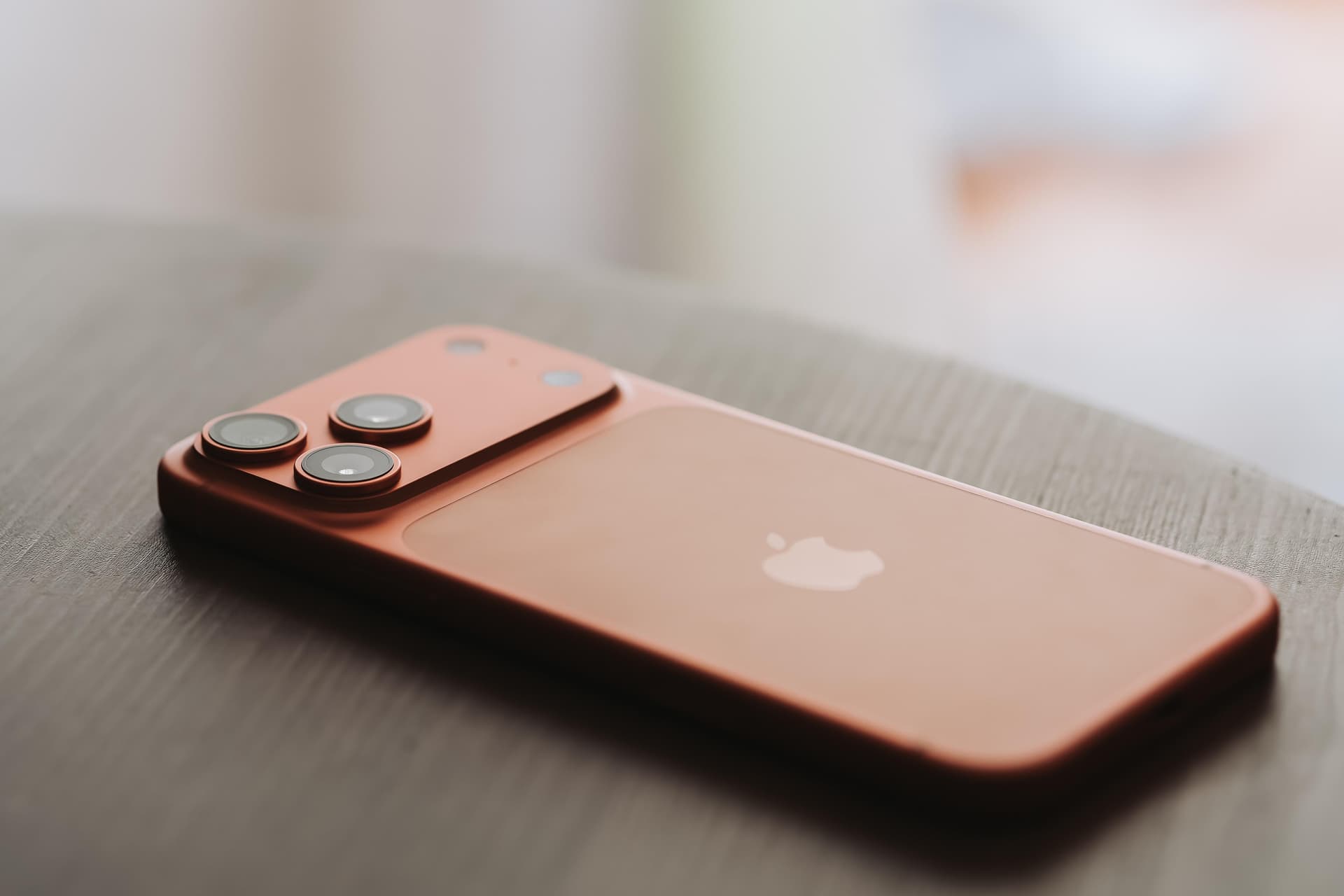
Apple’s canceled car project did not vanish cleanly. It left behind a hardware blueprint that now runs through the company’s AI strategy, from the Neural Engine inside the M4 to the on-device architecture behind Apple Intelligence. What looked like a failed moonshot became a proving ground for silicon, and that is why the car’s collapse may matter as much as any product Apple never shipped.
How Project Titan became a chip lab
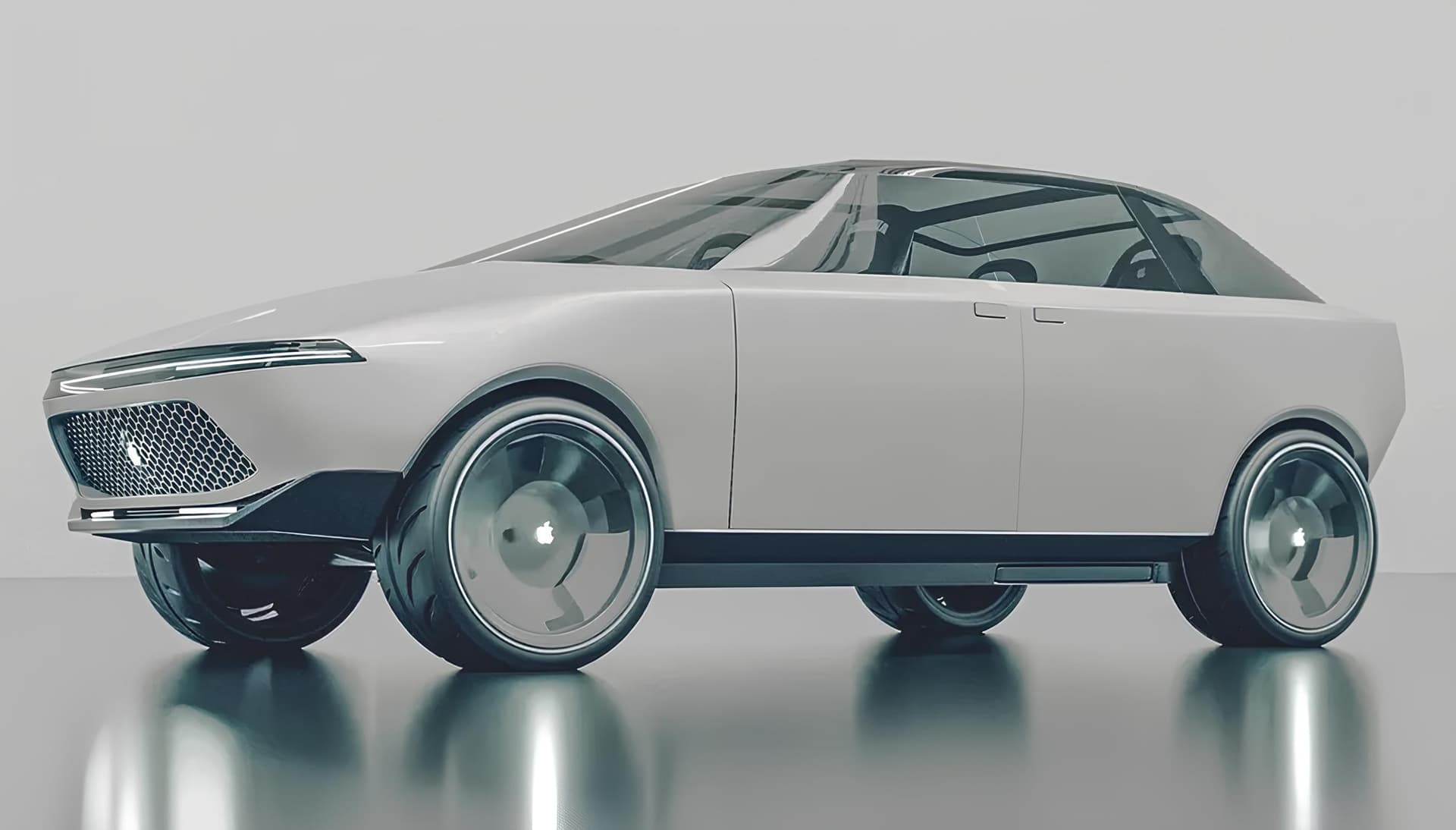
Apple’s electric car effort, known internally as Project Titan, began with ambitions far beyond a normal automotive program. Very early in the work, Apple realized that a self-driving platform would need powerful on-device AI processing, not just cloud support, because the car would have to interpret data quickly and locally. The processor for the vehicle was never finished, but the engineering effort pushed Apple toward a deeper focus on custom silicon and the Neural Engine, the part of the chip designed to accelerate machine-learning tasks.
That shift fits Apple’s broader hardware identity. The company does not usually win by buying commodity components and competing on price; it wins by controlling the stack, from software to chips to packaging. Project Titan gave Apple years to work through difficult questions about latency, power efficiency and inference on device, all of which later became central to its AI pitch.
The scale of the retreat
The shutdown came internally on February 27, 2024, after roughly a decade of work. Nearly 2,000 employees were working on the car program when Apple shut it down, and the company had reportedly spent more than $10 billion over the years. Those numbers matter because they show the project was not a side experiment. It was one of Apple’s most expensive bets, and one of its most ambitious.
The end of Titan also signaled a strategic pivot. Apple was moving more aggressively toward generative AI, and some employees from the car effort were reassigned to the company’s AI team. That transfer matters less as a headcount shuffle than as a reallocation of technical talent: engineers who had spent years on edge computing, sensors and low-power processing were suddenly helping build Apple’s next AI layer instead of its next vehicle.
Why Apple Intelligence looks like a chip story
Apple’s 2024 Apple Intelligence announcement made the company’s direction plain. On-device processing is a cornerstone of Apple Intelligence, and many of the models that power it run entirely on device. For more complex requests, Apple uses Private Cloud Compute, which allows the company to keep the center of gravity on the device while still handling heavier workloads off-device when necessary.
That architecture is the clearest sign that Apple did not simply abandon the lessons of Titan. The car program had already forced the company to think about how to run demanding AI tasks locally, without relying on a network connection or a round trip to a data center. In consumer electronics, that is more than an engineering preference. It is a product strategy built around speed, privacy and battery life, three areas where Apple has always tried to differentiate its hardware.
The M4 made the payoff visible
The strongest evidence of that payoff arrived in May 2024 with the M4 chip. Apple said the M4 includes its fastest Neural Engine ever, capable of up to 38 trillion operations per second. Apple also said that the M4 Neural Engine was faster than the neural processing unit of any AI PC at the time.
That comparison is important because it frames Apple’s AI story in hardware terms, not just software terms. The company is not trying to convince users that intelligence will come from a bigger model in the cloud. It is arguing that the device itself can do more of the work, faster and with less dependence on remote infrastructure. The M4 made that claim concrete, and it turned an abstract idea about local AI into a measurable performance advantage.
Johny Srouji and Apple’s silicon discipline
Much of that hardware discipline traces back to Johny Srouji. He joined Apple in 2008 to lead development of the A4, the first Apple-designed system on a chip, and he has since become central to the company’s silicon strategy. The significance of that background is hard to miss: Apple’s custom-chip era did not start with the Mac or the iPhone becoming faster by accident. It started with a deliberate decision to own core performance decisions internally.

That matters for the car story because the same organizational muscle that made the A4 successful also gave Apple a way to salvage Titan. When one giant project ends, the companies that handle it best are the ones that can turn the technical residue into a reusable asset. Apple appears to have done exactly that, converting years of automotive compute work into a stronger chip roadmap for phones, tablets and Macs.
What the failure changed inside Apple
Project Titan was widely framed as one of Apple’s boldest bets, and its cancellation closed a long chapter in Cupertino, California. But the end of the car program did not erase the capabilities it had built. Instead, it appears to have sharpened Apple’s conviction that the most valuable AI runs closest to the user, on Apple silicon, with the cloud reserved for the cases that truly need it.
That is the deeper lesson of the car project. Big tech failures often get remembered as waste, but the better companies treat them as infrastructure, a costly way to learn what their next platform needs. Apple’s canceled car did not become a vehicle. It became part of the logic behind the chips that now carry the company’s AI ambitions.
This article was produced by Prism’s automated news system from verified source data, official records, and press releases, then run through automated quality and moderation checks before publishing. The system is built and supervised by the people who set the standards it runs under. Read our full AI policy.
Did this article answer your question?