China’s Tianwen-2 reaches quasi-moon Kamooalewa, begins study
Tianwen-2 slipped within 20 kilometers of Kamooalewa and sent back its first close-up image, opening China’s first asteroid sample-return campaign.
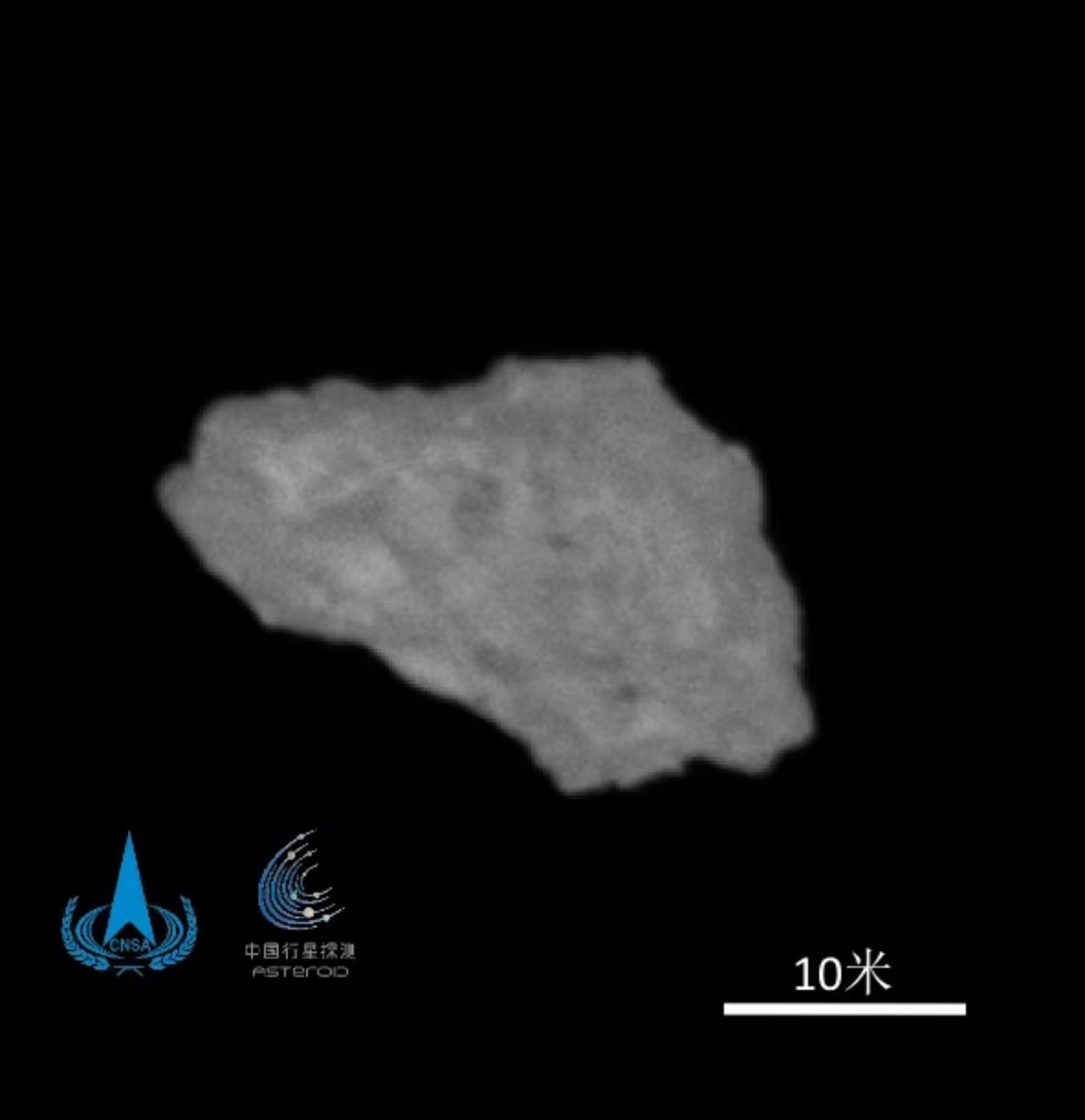
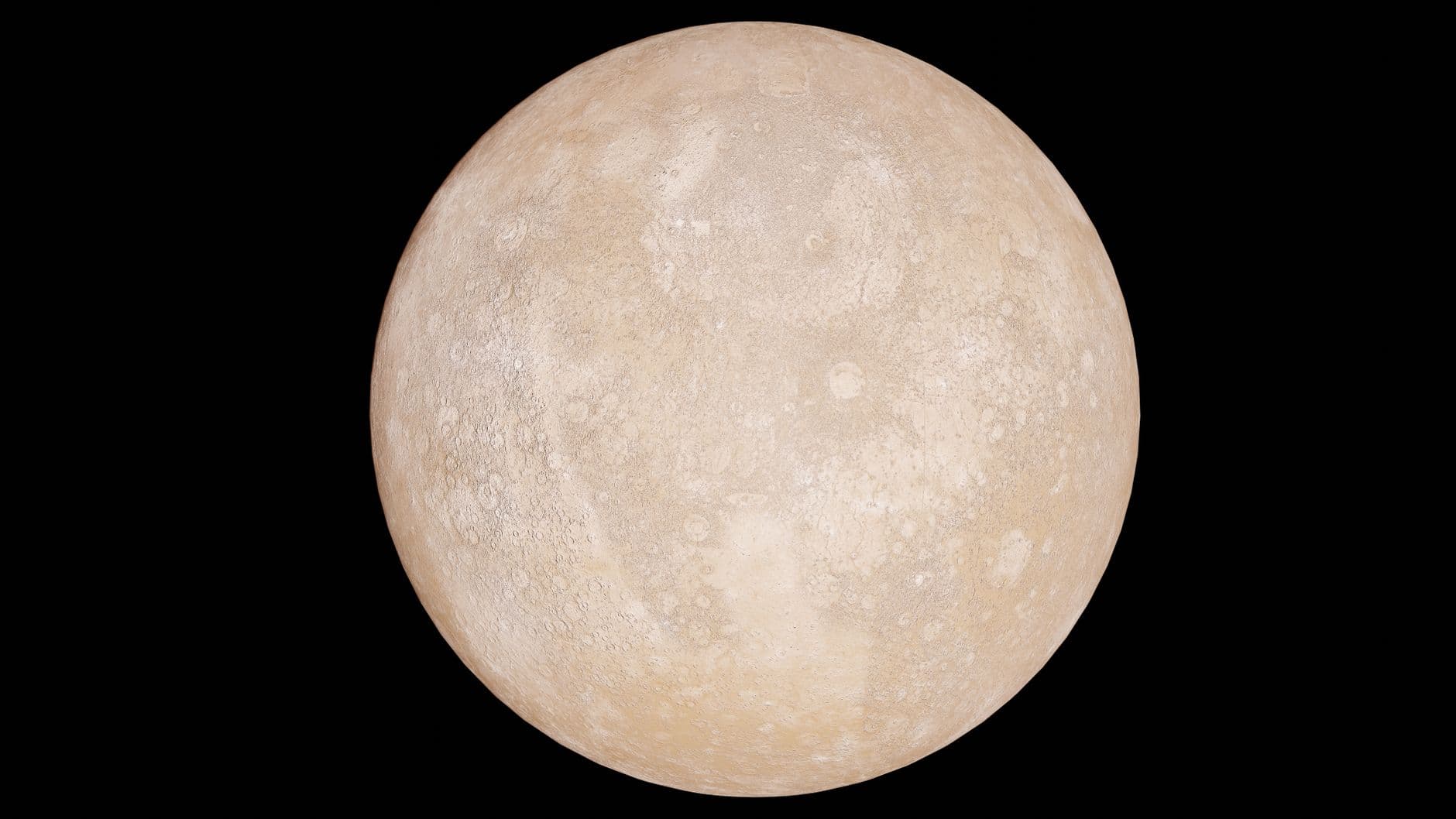
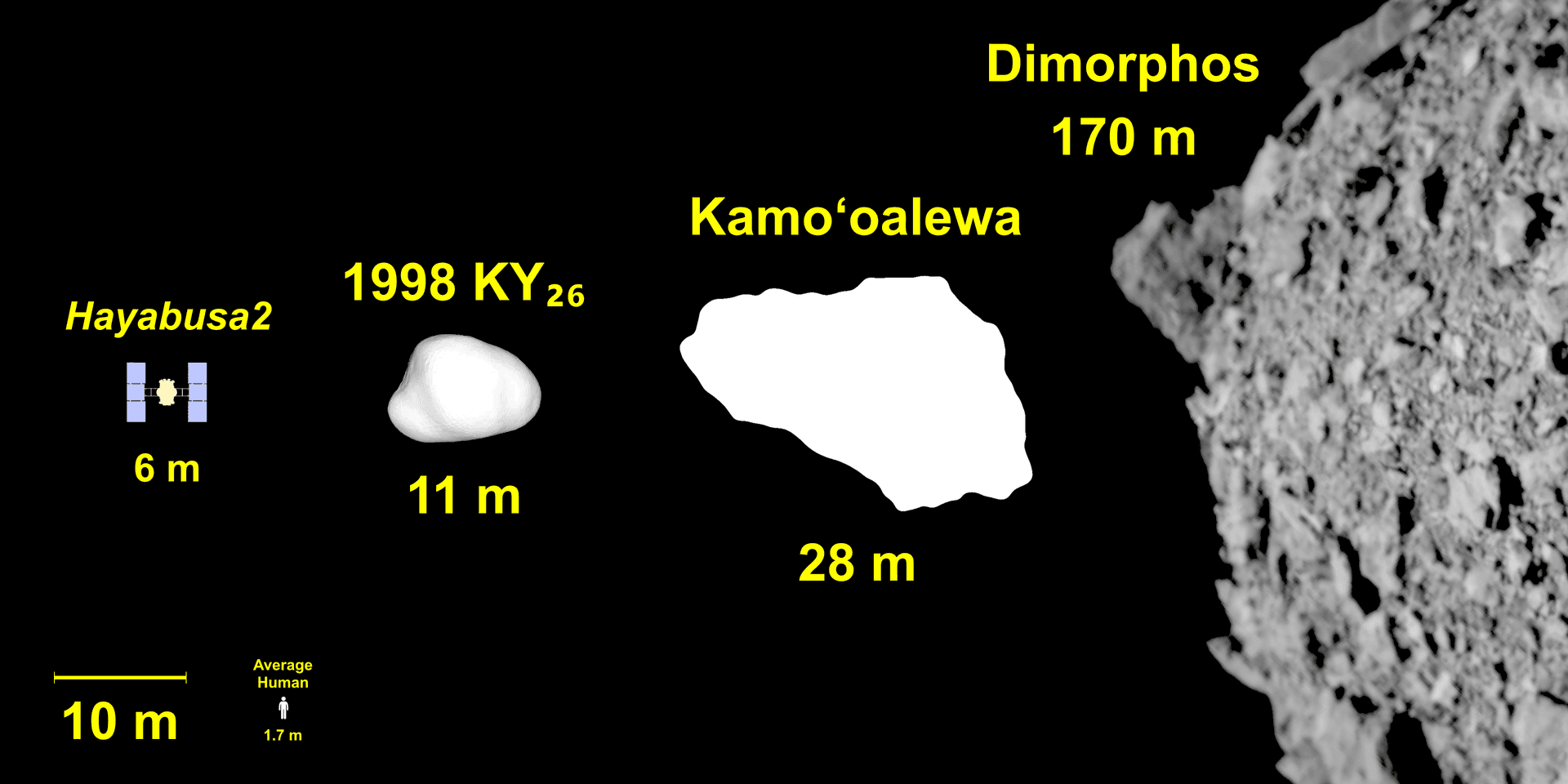
Tianwen-2 has reached within about 20 kilometers of Kamooalewa, the near-Earth asteroid also known as 2016 HO3, and sent back its first close-up image. The spacecraft arrived after roughly a 400-day flight, setting up the country’s first attempt to collect and return asteroid samples.
Kamooalewa is not an ordinary rock drifting in isolation. It is one of Earth’s quasi-satellites, or quasi-moons, objects that orbit the Sun while staying close to our planet for long periods. Discovered in 2016, it has drawn scientific attention because its light spectrum looks unusually lunar-like. One hypothesis is that it may be a chunk of the Moon blasted into space by a giant impact between 1 million and 10 million years ago. Another points to an origin in the Flora asteroid family, keeping the object’s history open to debate.
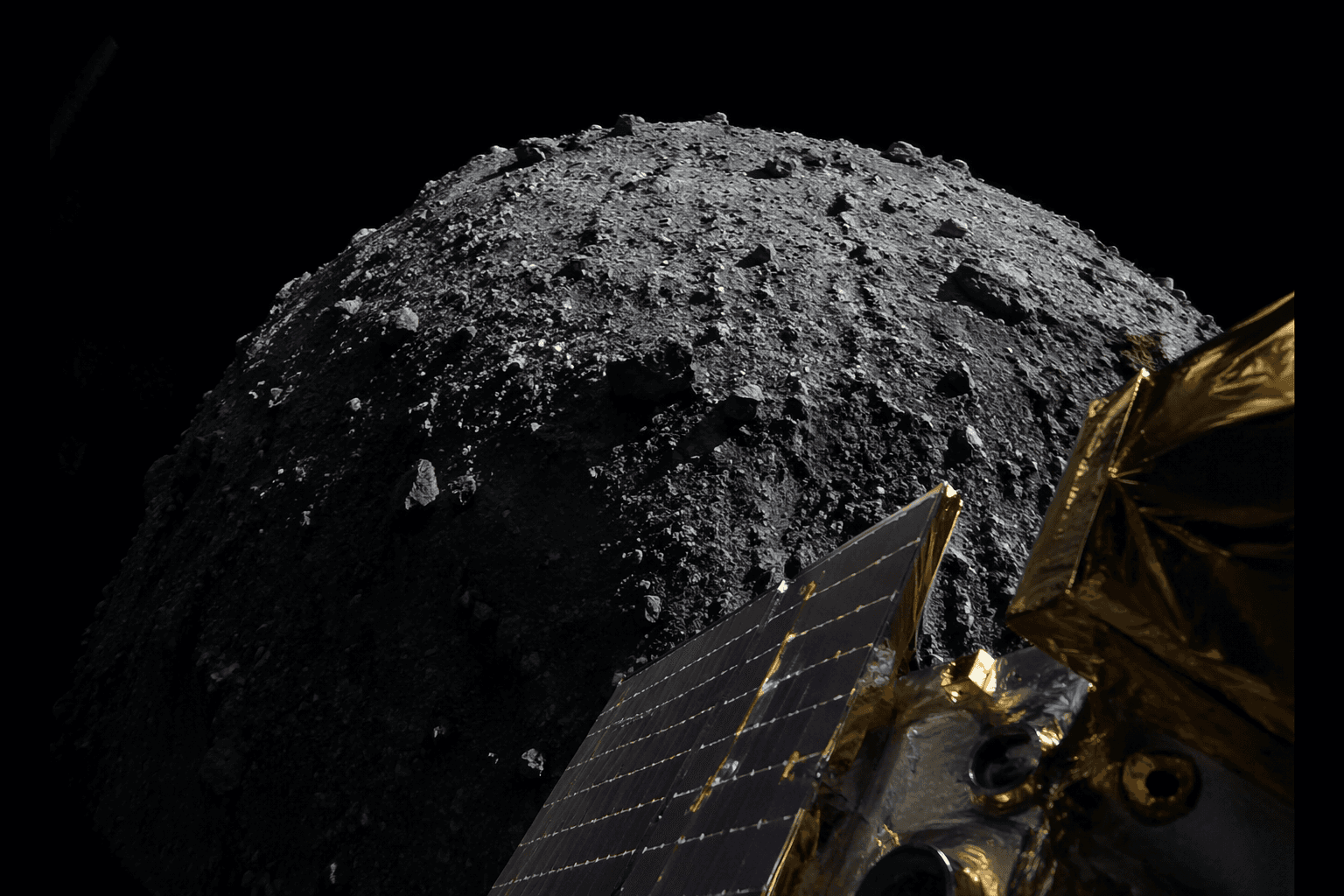
A successful sample return would give China a place in the small group of countries that have brought back pristine asteroid material, a feat already achieved by the United States and Japan. NASA’s OSIRIS-REx and Japan’s Hayabusa2 showed that asteroid rendezvous, surface sampling and return to Earth require precision navigation, autonomous operations and long-duration mission planning. Tianwen-2 is China’s first test of that full chain.
Tianwen-2 launched in May 2025 from the Xichang launch site in Sichuan province and traveled about 1 billion kilometers before rendezvous. The spacecraft is expected to spend months surveying and imaging the asteroid before attempting sample collection, with material targeted to return to Earth in 2027. After the asteroid phase, mission planners intend to send it onward for a flyby of main-belt comet 311P/PANSTARRS.
This article was produced by Prism’s automated news system from verified source data, official records, and press releases, then run through automated quality and moderation checks before publishing. The system is built and supervised by the people who set the standards it runs under. Read our full AI policy.
Did this article answer your question?