Archer and Anduril unveil autonomous aircraft platform for defense, commercial use
Archer and Anduril unveiled a dual-use autonomous aircraft in Farnborough, including Thunder, a Group 5 attack rotorcraft. The deal builds on a $430 million financing round.
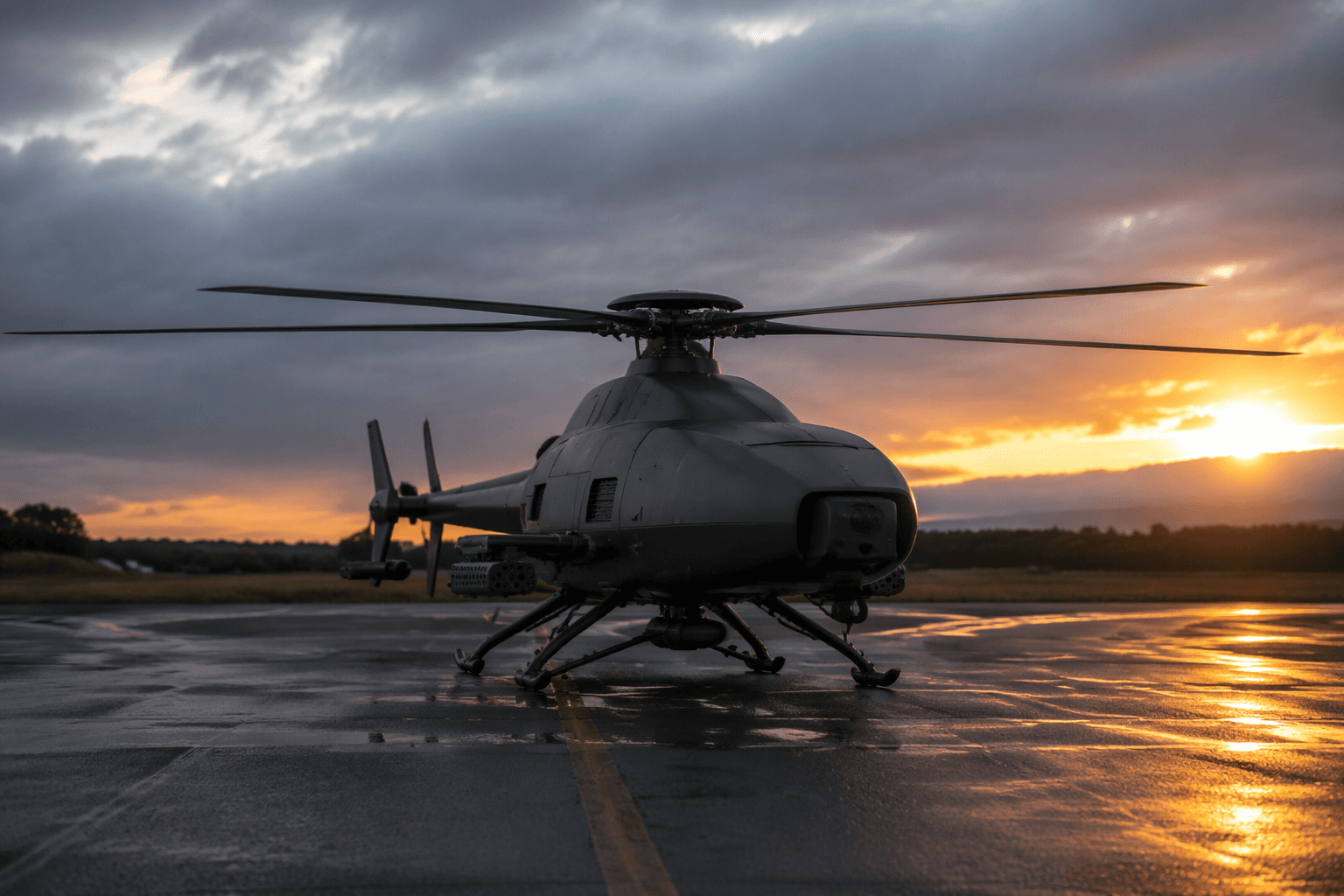
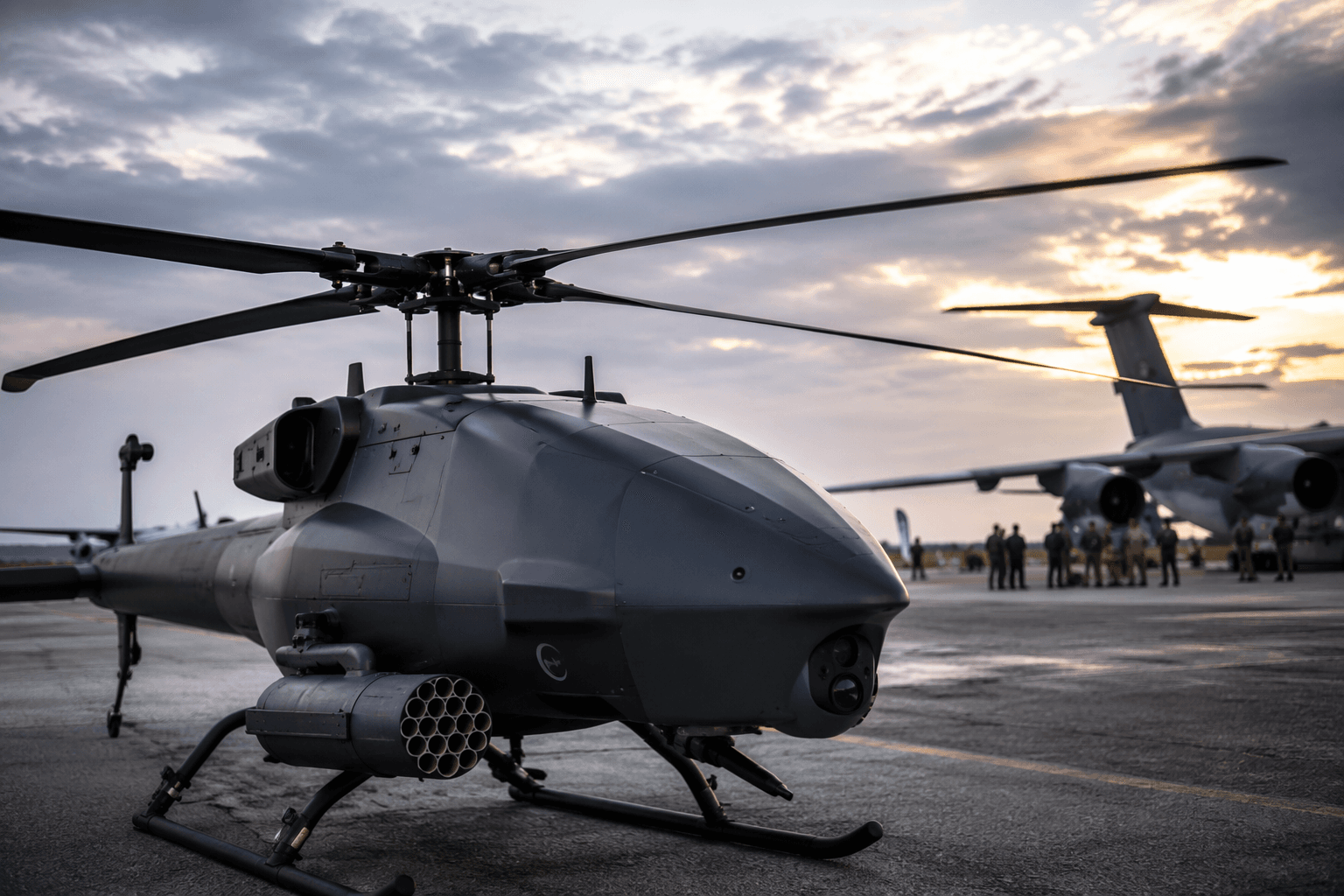
Archer Aviation and Anduril Industries unveiled a new autonomous aircraft platform in Farnborough, England, on July 20, putting a commercial air-taxi maker and a defense software specialist together on one aircraft architecture aimed at both military and civilian markets. Anduril also showed Thunder, the defense version of the platform, which the companies described as a Group 5 autonomous attack rotorcraft.
The pitch is built around autonomy from the start. Archer’s manufacturing and electric aircraft engineering are being paired with Anduril’s autonomy, sensors and defense software to create a vehicle that can operate with far less direct human piloting than a traditional aircraft. That matters most for defense buyers, where unmanned or highly autonomous aircraft can accompany crewed helicopters, move payloads into dangerous airspace and take on reconnaissance or strike-support missions without exposing pilots to the same level of risk.
The immediate customer logic points first to the Pentagon. Archer and Anduril first announced an exclusive partnership in December 2024 to develop a hybrid VTOL aircraft for critical defense applications, targeting a potential program of record from the U.S. Department of Defense. Archer said at the time that it had raised an additional $430 million alongside that agreement, underscoring how quickly defense demand can change the funding picture for aerospace startups that are still waiting for slower civilian certification cycles to mature.
The companies have already widened the relationship beyond a single prototype. In November 2025, Archer said it would supply its electric powertrain to Anduril and EDGE Group for the Omen autonomous air vehicle, a sign that the two firms were building a broader defense-adjacent portfolio before the Farnborough unveiling. That earlier work also shows how dual-use aerospace is evolving: the same propulsion, autonomy and manufacturing stack can be adapted for combat, logistics or later commercial applications.
For investors and suppliers, the announcement signals a market where autonomy is becoming an economic advantage, not just a technical feature. Aircraft that can do more with less onboard crew can potentially lower operating costs, expand mission flexibility and shorten the path to deployment across defense and commercial customers. It also brings sharper oversight questions into focus, because a platform designed to move between military and civilian roles will face closer scrutiny on certification, mission software, and how quickly defense-grade autonomy can cross over into everyday aviation.
This article was produced by Prism’s automated news system from verified source data, official records, and press releases, then run through automated quality and moderation checks before publishing. The system is built and supervised by the people who set the standards it runs under. Read our full AI policy.
Did this article answer your question?