Domino’s beats revenue estimates as supply chain offsets weak demand
Domino’s revenue beat expectations even as U.S. same-store sales rose just 0.1% and international sales slipped, showing supply-chain strength masking weak demand.
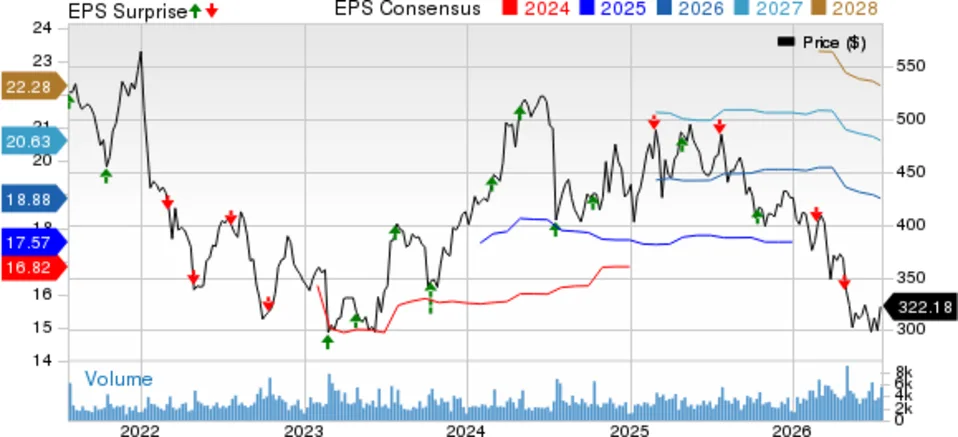
Domino’s Pizza said July 20 that second-quarter revenue beat expectations even as U.S. same-store sales rose just 0.1% and international same-store sales fell 0.1% excluding foreign currency impact. The company’s global retail sales increased 3.0% excluding foreign currency impact, but the result was powered in part by a supply-chain business that helped offset softer demand across its restaurants.
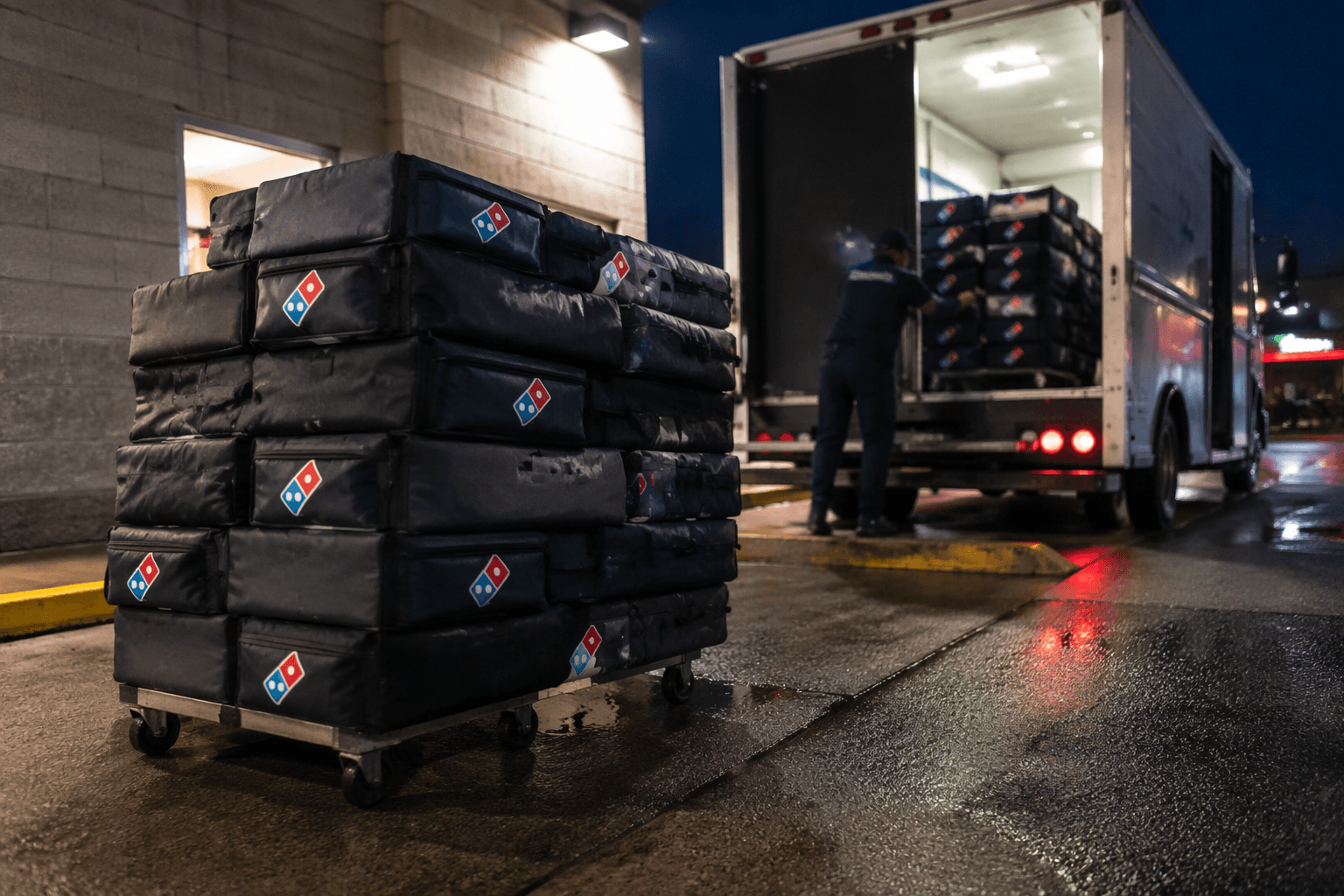
That split is important because Domino’s operates as more than a pizza seller. Its supply-chain network buys, stores and distributes ingredients and products to franchisees, allowing the company to capture value across the system even when store-level traffic is sluggish. In the quarter, Domino’s also reported global net store growth of 209 locations, including 26 net openings in the United States and 183 in international markets, which supported total sales even as comparable growth nearly stalled.
The second quarter was weaker than the start of the year. In the first quarter of 2026, announced April 27, Domino’s reported global retail sales growth of 3.4% excluding foreign currency impact, U.S. same-store sales growth of 0.9%, international same-store sales decline of 0.4% excluding foreign currency impact and global net store growth of 180. The move from 0.9% U.S. same-store growth to 0.1% in the latest quarter shows how quickly momentum faded in the company’s core market.
Domino’s has already been leaning on deals to attract budget-conscious customers, a sign that management is working against a cautious consumer backdrop. Inflation has left many households more price-sensitive, and pizza chains are fighting for traffic against fast-casual restaurants, grocery alternatives and delivery platforms that can redirect spending without a sit-down meal. In that environment, even a familiar brand with national scale can struggle to produce broad-based demand growth.
The latest numbers leave Domino’s in a familiar position for large restaurant companies: strong enough operationally to keep revenue ahead of the market’s expectations, but still exposed to a consumer who is spending carefully. The supply-chain arm is cushioning the business, yet the small rise in U.S. same-store sales suggests the bigger test remains the same one facing much of the restaurant industry, whether weaker-income diners have enough room in their budgets to buy more often.
This article was produced by Prism’s automated news system from verified source data, official records, and press releases, then run through automated quality and moderation checks before publishing. The system is built and supervised by the people who set the standards it runs under. Read our full AI policy.
Did this article answer your question?