Argentina reopens presidential palace to journalists after weeklong ban
Casa Rosada reopened to accredited reporters Monday after a weeklong ban sparked by smart-glasses footage and an “illegal espionage” complaint.

Argentina’s Casa Rosada reopened to accredited journalists on Monday, ending a weeklong ban that had turned a security dispute into a test of press freedom inside the country’s most visible seat of power.
The reversal restored daily access to the presidential palace in Buenos Aires, where government press conferences are held and where reporters depend on direct access to question officials and check presidential claims. The block began on Thursday, April 23, after communications director Javier Lanari announced on X that biometric fingerprint access for journalists had been suspended as a “preventative measure.”
Officials tied the shutdown to footage aired by Todo Noticias that had been recorded with smart glasses. The government cited an “illegal espionage” complaint, a justification that drew sharper criticism because the restriction applied to all accredited journalists. One account said about 60 reporters who work daily at the Casa Rosada were affected.
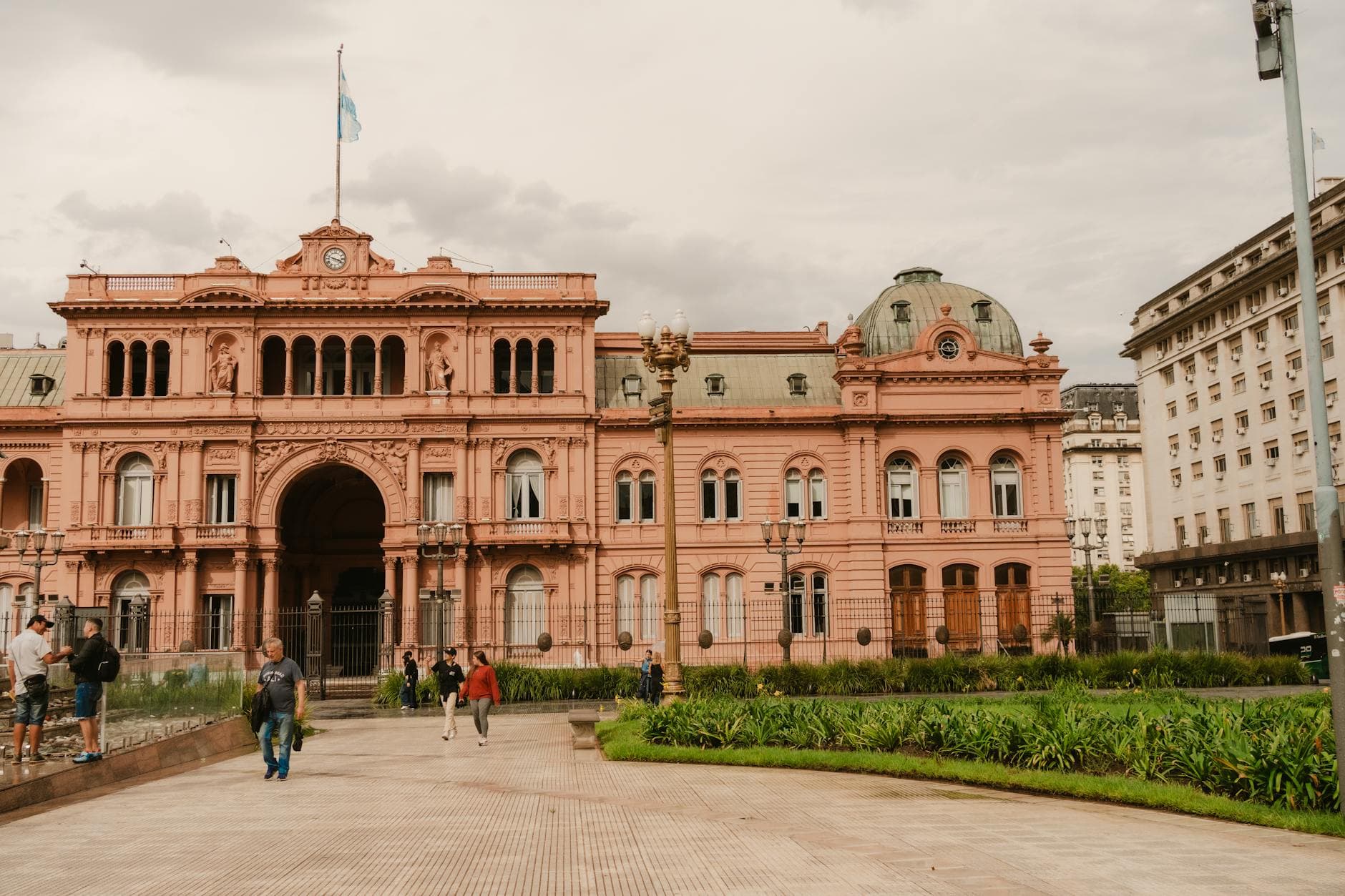
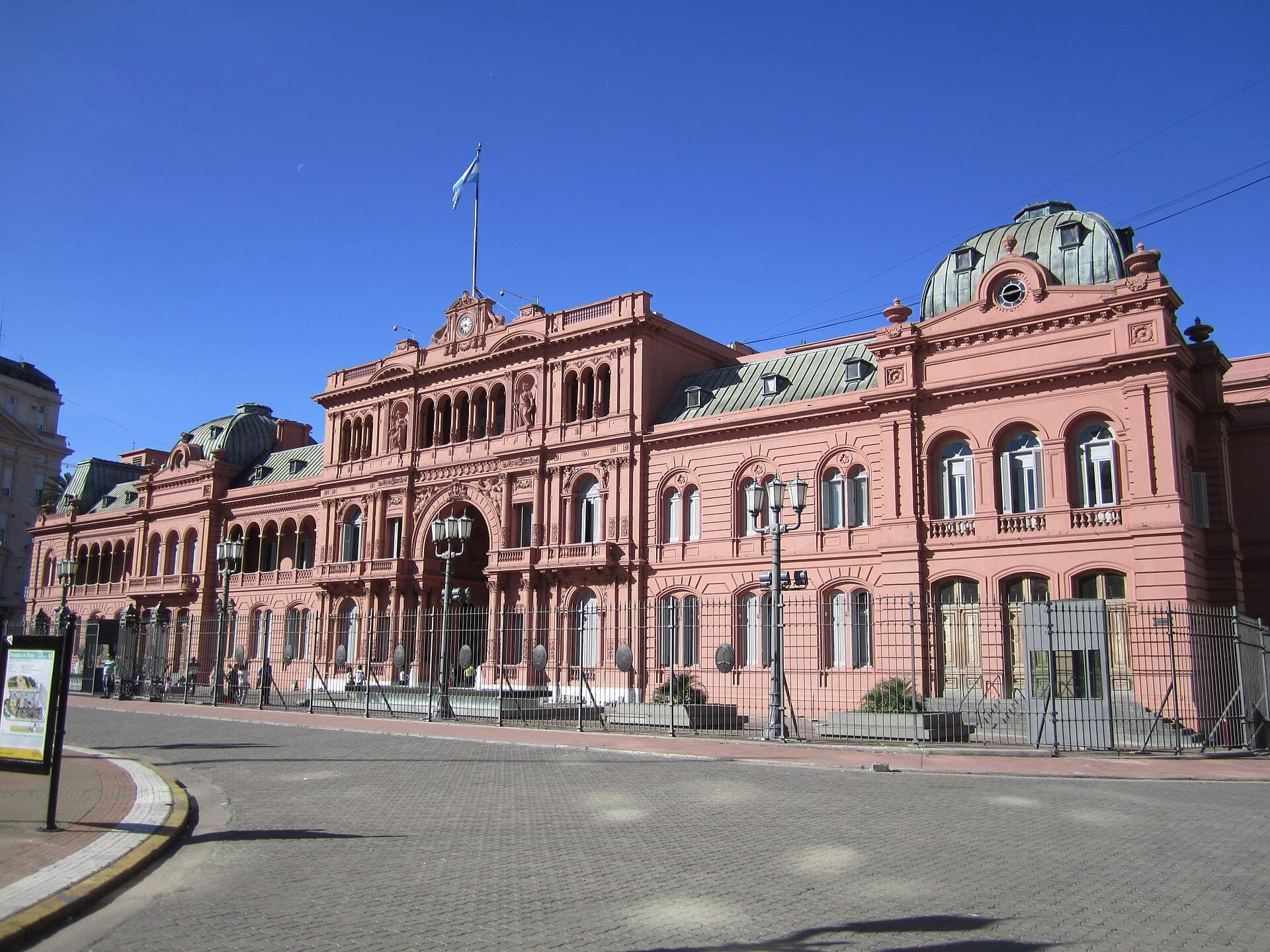
The dispute exposed how quickly an access decision at Balcarce 50 can become a broader fight over transparency. The Casa Rosada is not just a symbolic building facing Plaza de Mayo. It is the practical center of Argentina’s presidency, and limits on entry there can narrow live coverage, reduce on-the-record questioning, and make it harder for journalists to verify what ministers and aides say.
The Milei government argued the move was defensive, not punitive. But press advocates said the episode fit a wider pattern of hostile rhetoric and restrictions under President Javier Milei. One Reuters-derived account described the April 23 move as the latest escalation in an anti-media campaign, and another noted that earlier in April authorities had already barred six accredited media outlets from the Casa Rosada and the lower house of Congress.
The standoff also spread beyond the palace walls. On Monday, April 27, Argentina’s assembly of Catholic bishops called for dialogue to resolve the dispute. Archbishop Jorge Lozano met with journalists the previous Friday and discussed the right to work and the right to information, underscoring how quickly an access fight had become a broader institutional question about public scrutiny.
For now, the reopening means reporters can again attend events and briefings inside the seat of Argentina’s executive power. Whether it marks a substantive change in the government’s treatment of the press, or only a temporary retreat from a public-relations crisis, will depend on how readily the Milei administration tolerates scrutiny the next time it feels cornered.
This article was produced by Prism’s automated news system from verified source data, official records, and press releases, then run through automated quality and moderation checks before publishing. The system is built and supervised by the people who set the standards it runs under. Read our full AI policy.
Did this article answer your question?