Iran leader signals new Strait of Hormuz control to ease tensions
Tehran’s Hormuz warning hit the world’s most dangerous oil chokepoint, where 20 million barrels a day still move and any disruption can jolt prices, insurers and U.S. planners.
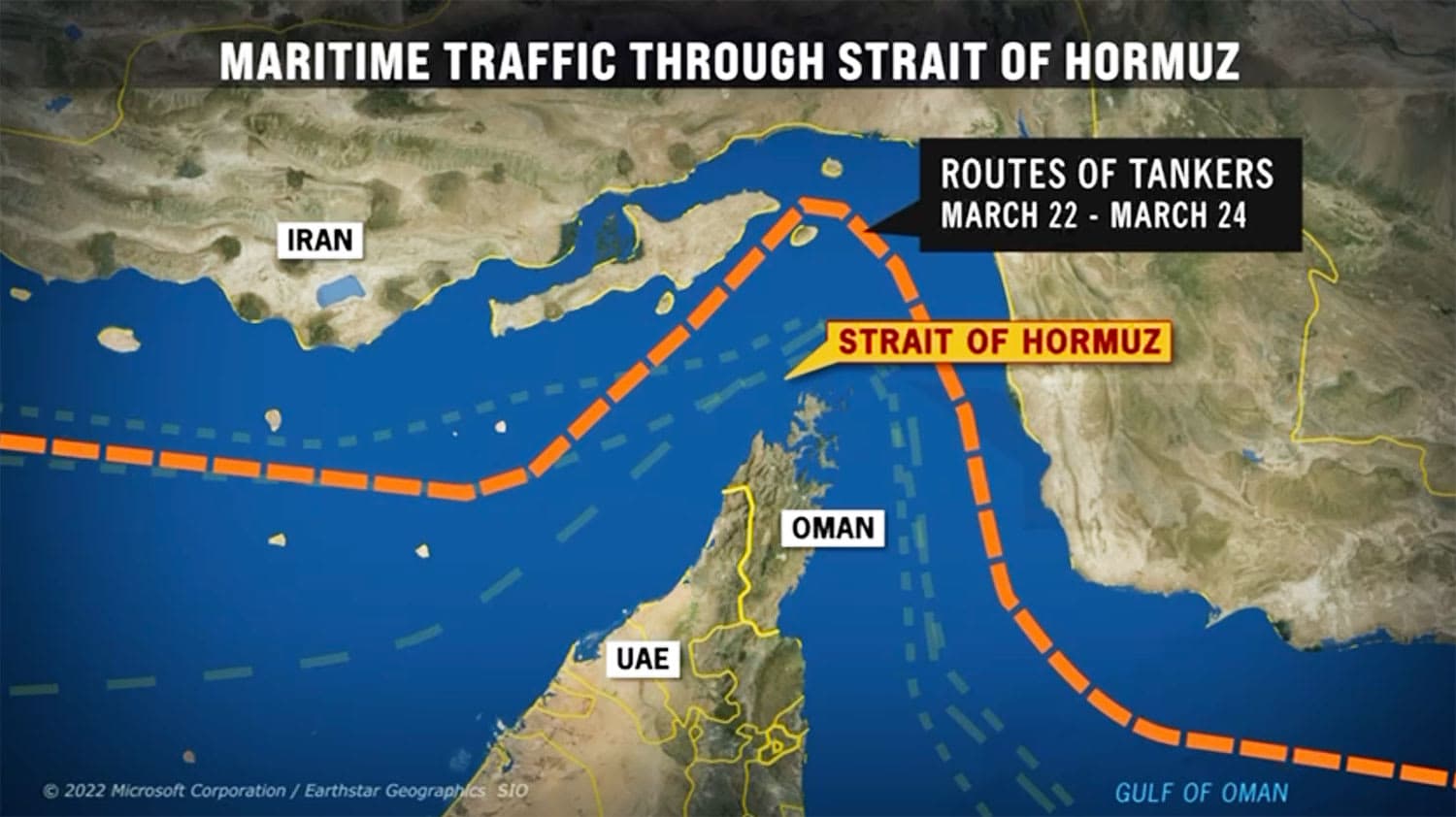
Iran’s latest message on the Strait of Hormuz landed in a place where rhetoric can move markets almost as fast as ships. A written statement broadcast on state television said a new phase of “management” or legal control over the waterway would bring calm and economic benefit to Gulf states, while warning that foreigners had no place there except “at the bottom of its waters.”
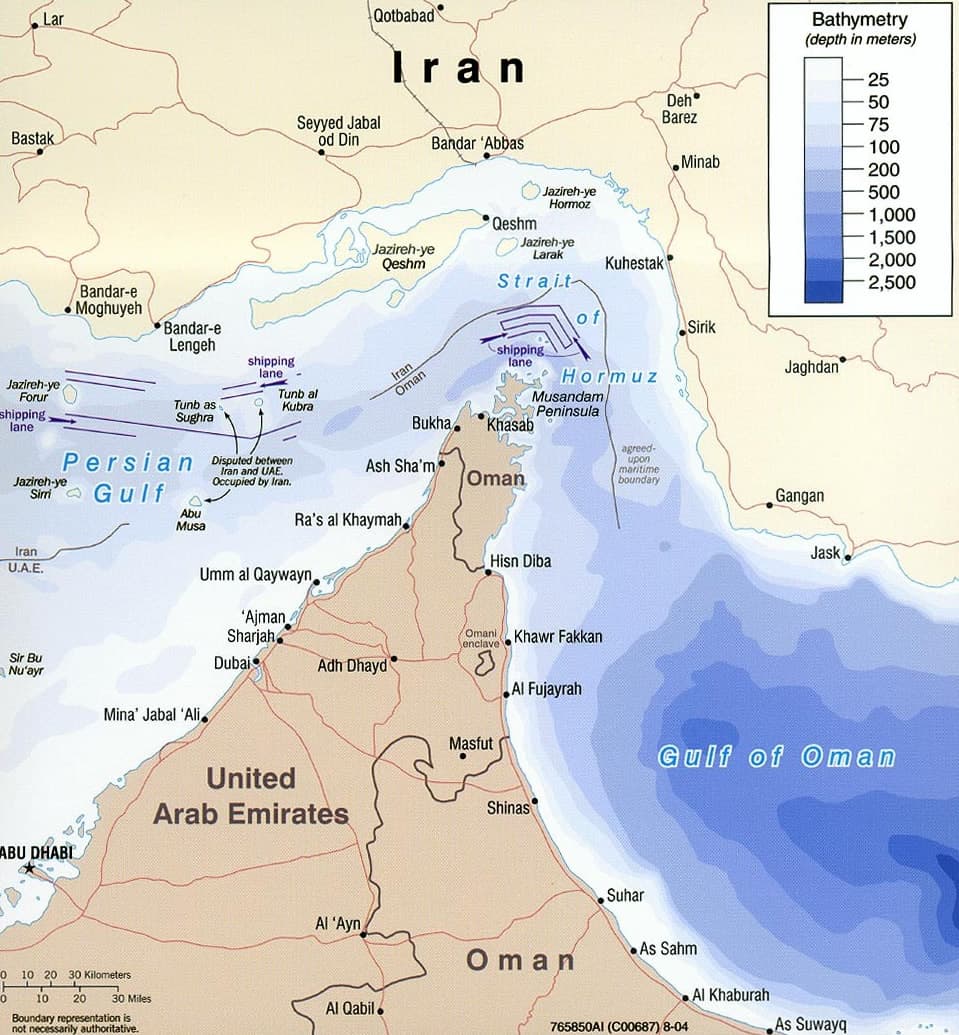
The signal was defiant, but it was also calculated. The Strait of Hormuz links the Persian Gulf to the Gulf of Oman and the Arabian Sea, and it remains the primary export route for oil from Saudi Arabia, the United Arab Emirates, Kuwait, Qatar, Iraq, Bahrain and Iran. The U.S. Energy Information Administration says the strait carried an average of 21 million barrels a day in 2022, about 21% of global petroleum liquids consumption. The International Energy Agency says around 20 million barrels a day of crude oil and oil products transited the strait in 2025, roughly a quarter of the world’s seaborne oil trade.
That scale explains why any suggestion of tolls, permits or new rules in Hormuz immediately reads as both deterrent signaling and an escalation threat. The IEA says the Middle East war has already driven flows through the strait to a trickle, with export volumes at less than 10% of pre-conflict levels. The agency has called the disruption the largest supply shock in the history of the global oil market.
Oil traders know what that means. Higher prices from the crisis have already pushed crude above $100 a barrel and lifted costs for diesel, jet fuel and LPG. A further squeeze on Hormuz would not just hit producers in the Gulf. It would raise freight and insurance costs for tankers, tighten supply for major Asian importers such as China, India and Japan, and deepen the pressure on countries that rely on steady Gulf exports.
Washington moved quickly to frame the warning as unacceptable. Secretary of State Marco Rubio said any Iranian “tolling system” in the Strait of Hormuz would be illegal and unacceptable. State Department statements in April said the United States was acting to limit Iran’s revenue while accusing Tehran of trying to hold the strait hostage.
That leaves the gap between ambition and capability at the center of the story. Iran can threaten, harass and complicate traffic through one of the world’s most sensitive waterways. It cannot easily rewrite the physics of a chokepoint that carries so much of the world’s oil without triggering a broad military, diplomatic and economic response. For U.S. planners, the message is clear: Hormuz remains a pressure point where market shock, regional confrontation and military contingency planning are inseparable.
This article was produced by Prism’s automated news system from verified source data, official records, and press releases, then run through automated quality and moderation checks before publishing. The system is built and supervised by the people who set the standards it runs under. Read our full AI policy.
Did this article answer your question?