Army tests Arctic warfare readiness in Alaska as tensions rise
Soldiers from warm-weather states were pushed into minus 40-degree conditions in Alaska, where the Army tested whether it can fight, move and sustain forces in the Far North.
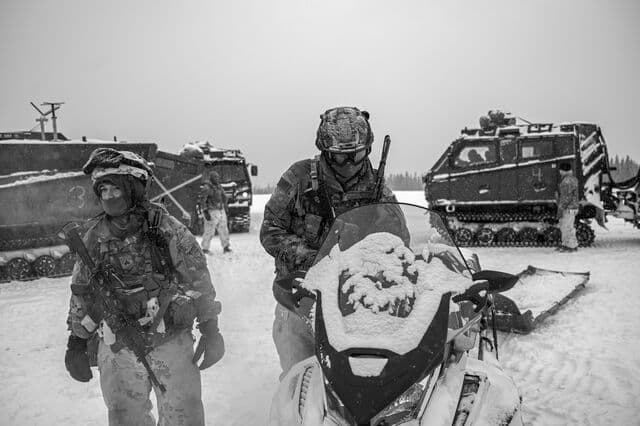
How do soldiers from Florida, Texas and Georgia fight at minus 40 degrees? The Army used Alaska to confront that mismatch head-on, turning the 11th Airborne Division’s Arctic mission into a large-scale test of whether forces built far from the polar circle can operate in one of the most demanding environments on earth.
The 11th Airborne Division, reactivated in 2022 as the Army’s Arctic-focused division, used the Joint Pacific Multinational Readiness Center and the Joint Pacific Alaska Range Complex to train in subzero temperatures, deep snow, mountainous terrain and long distances. The training area stretched from Anchorage to Utqiagvik, and the range complex covered more than 1.5 million acres of land and more than 65,000 square miles of airspace.
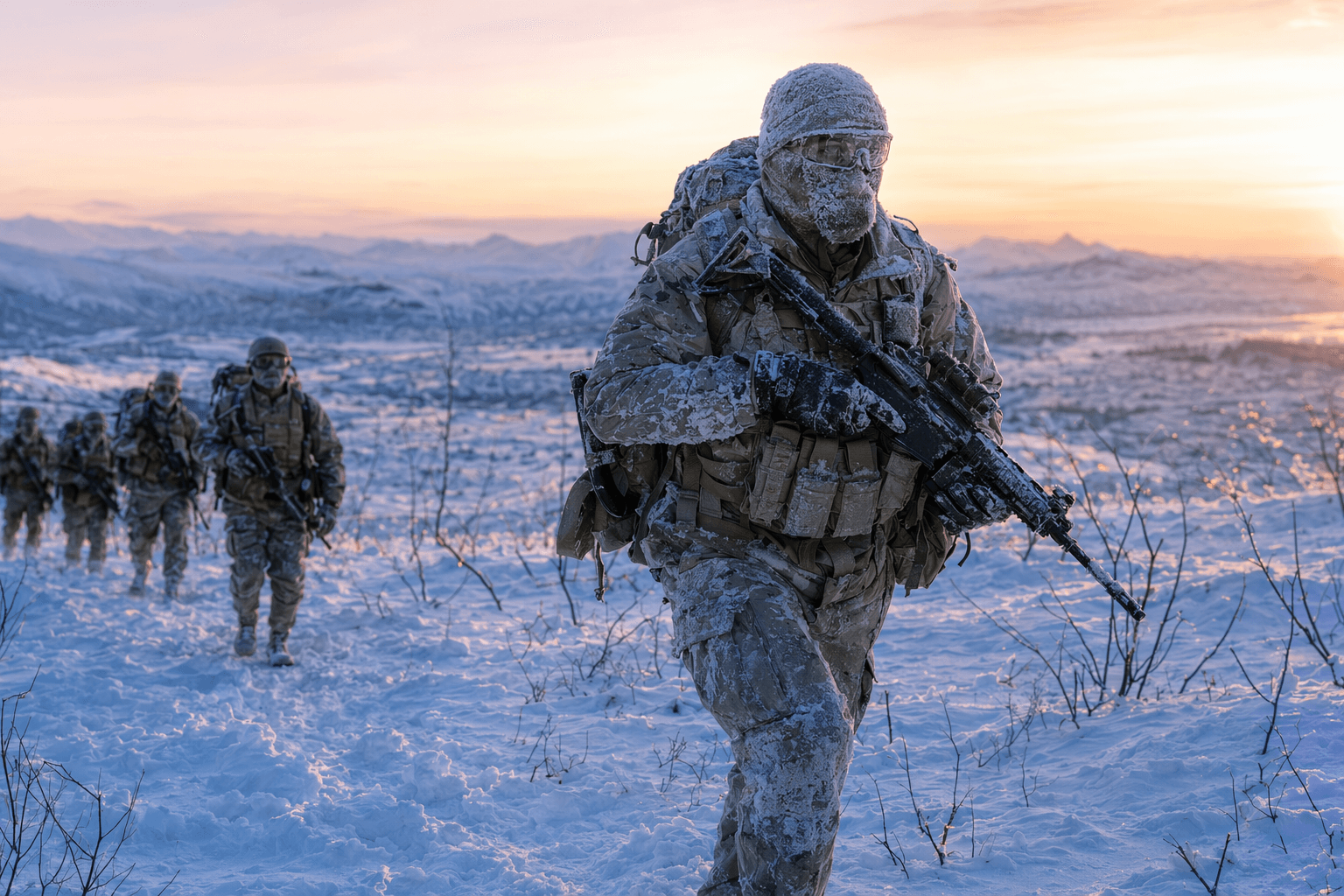
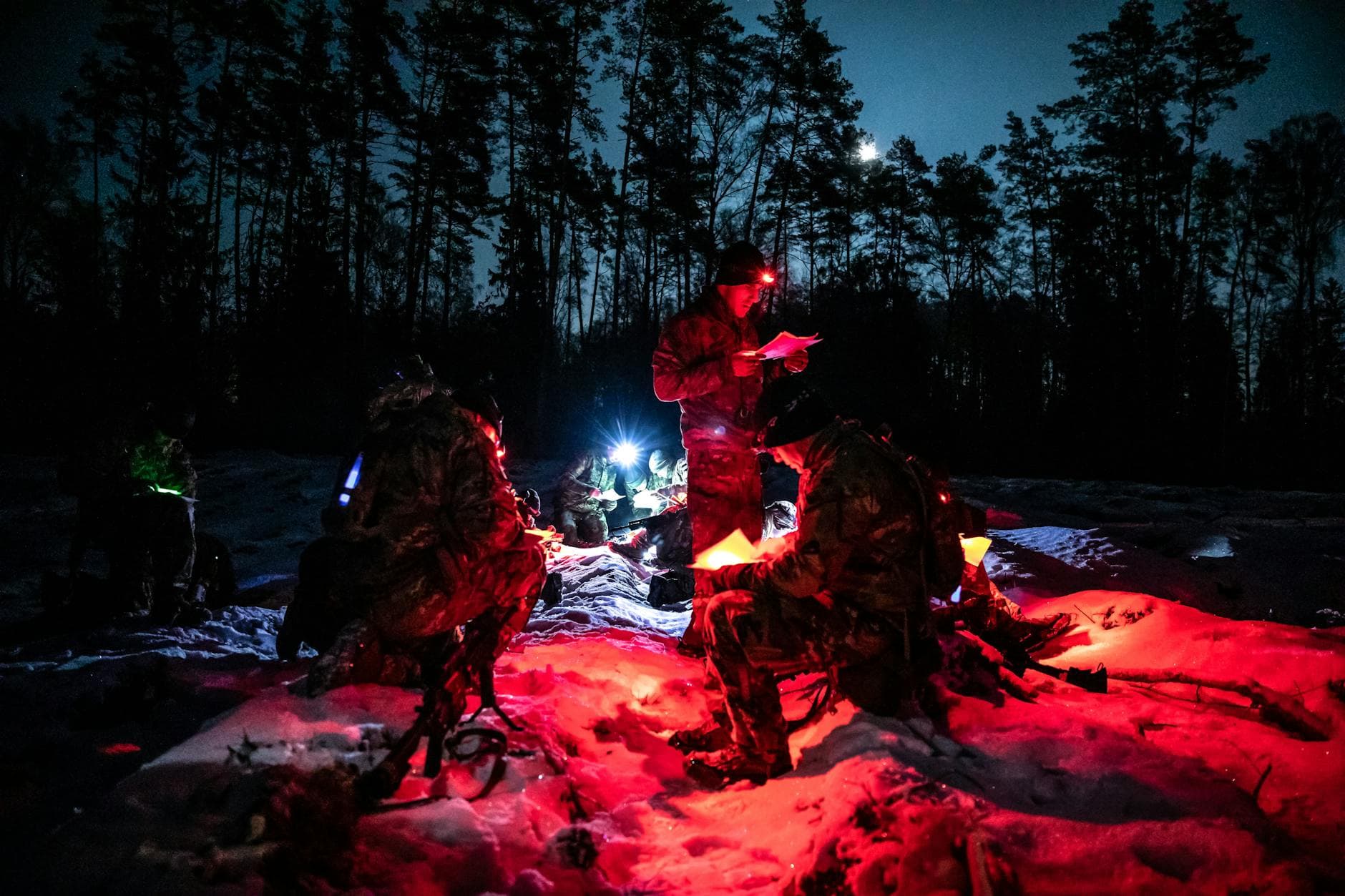
The biggest exercise so far, JPMRC 24-02, ran from Feb. 8 to Feb. 22, 2024. About 9,000 soldiers took part in 40 training events over two weeks, with forces from Canada, Mongolia, Australia, Finland and Sweden joining American troops. The scenarios included simulated deep attacks, air assault drills and operations with American and Canadian Chinook helicopters and UH-60 Black Hawks, all meant to stress how units move, coordinate and survive when weather and distance punish every mistake.
Maj. Gen. Brian Eifler, who commands the 11th Airborne Division, said the Army had to be ready for the “full spectrum” of Arctic warfare, including fighting without air superiority and operating in a place where camouflage and concealment are harder because of electronics, observation and the snow-covered battlefield. That point reaches beyond cold-weather endurance. It goes to logistics, sensing, communications and the ability to keep units supplied across isolated terrain that is now seen as more strategically exposed.
The Pentagon’s 2024 Arctic Strategy says the United States is an Arctic nation and calls the region critical to homeland defense, sovereignty and treaty commitments. Army officials have also argued that climate change is making the Arctic more navigable, sharpening the region’s military value. In the exercise, soldiers tested next-generation weapons, cold-weather all-terrain vehicles and snowmobiles, while U.S. soldiers also played opposing forces to simulate enemy artillery and rocket fire.
The Army’s Arctic push rests on a long institutional memory. The Northern Warfare Training Center traces organized cold-weather and mountain warfare training to November 1941 at Fort Lewis and Mount Rainier, followed by the Mountain Training Center at Camp Hale in 1942. The Army Arctic School opened at Big Delta, Alaska, in November 1948 and later became Fort Greely. In one Army account, instructors said students can “turtle” at minus 40 or minus 50 Fahrenheit, hunching inward and mentally shutting down, a reminder that the Arctic test is as psychological as it is physical.
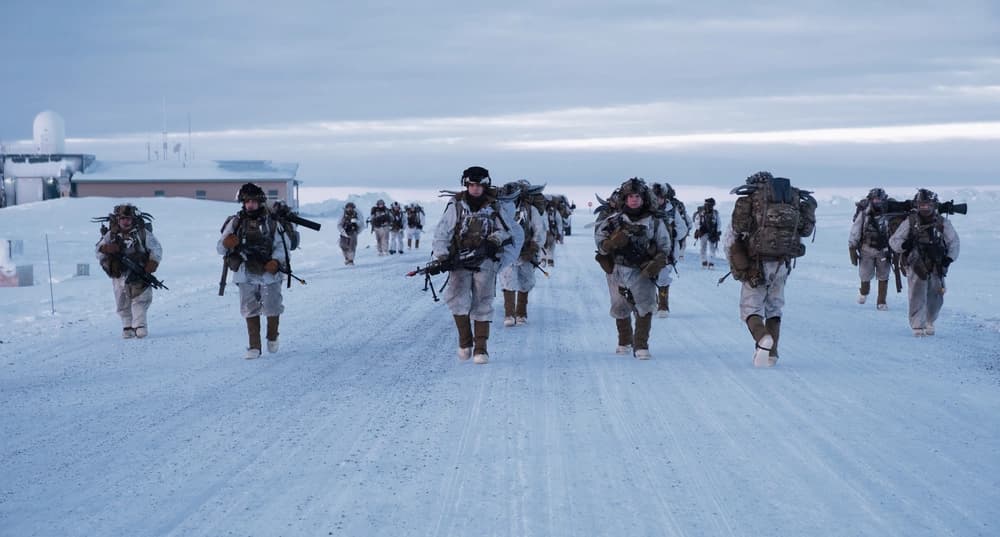
That is why the Army’s newest Arctic division is training for more than survival. Its real challenge is to move, lead, sleep, eat and fight effectively in a theater where distance, weather and strategic competition now matter as much as firepower.
This article was produced by Prism’s automated news system from verified source data, official records, and press releases, then run through automated quality and moderation checks before publishing. The system is built and supervised by the people who set the standards it runs under. Read our full AI policy.
Did this article answer your question?

