NASA aims for 2028 moon landing, but commercial hardware lags behind
NASA still wants astronauts on the Moon in early 2028, but the landers, docking tests and launch schedule remain unresolved.
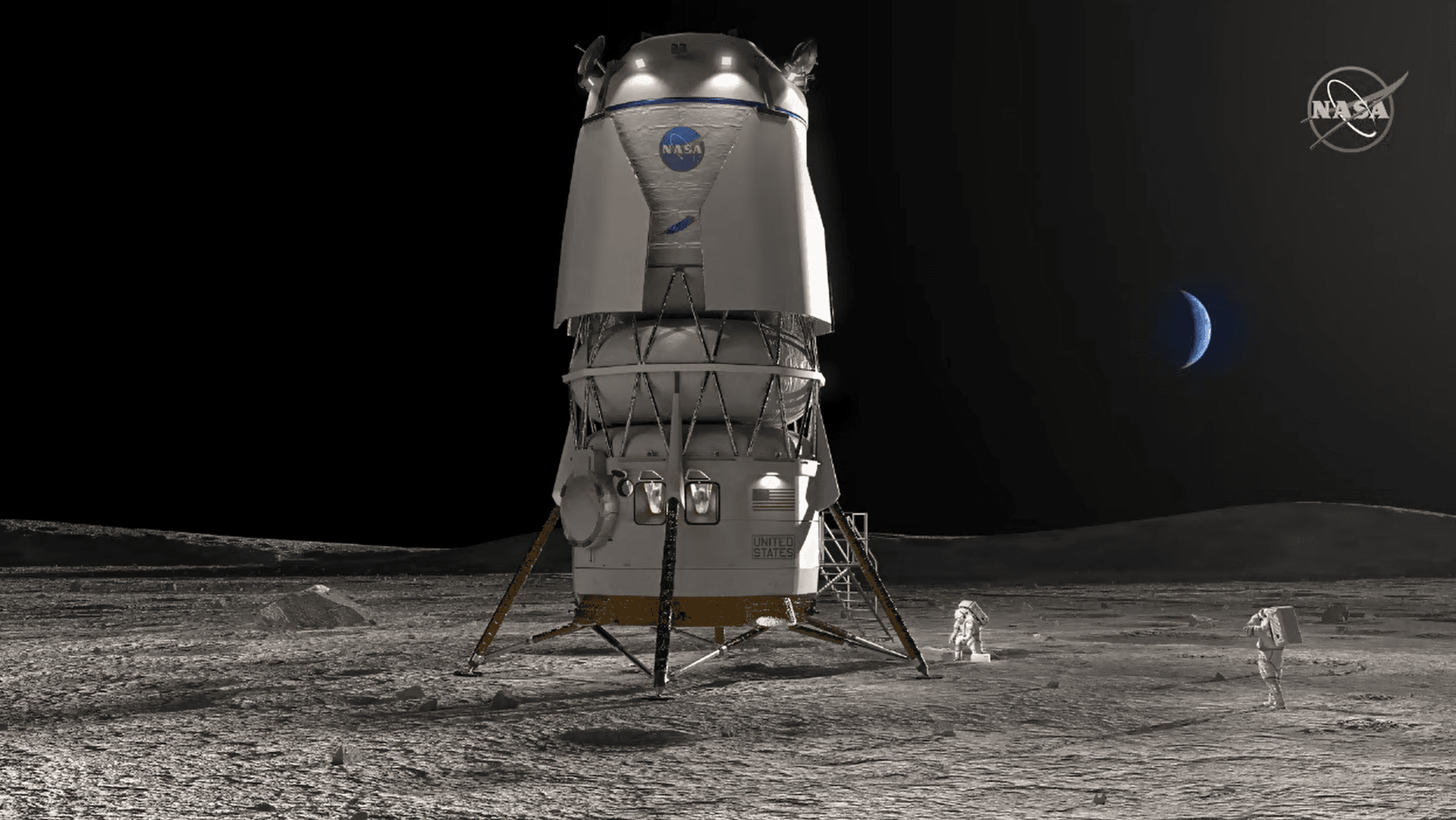
NASA is still pointing to early 2028 for its first Artemis lunar landing, but the plan now hinges on commercial hardware that has not yet proven it can do the job. NASA’s own Artemis III page has shifted to describing the mission as a crewed trip to lunar orbit, with landing details to be announced closer to a 2027 launch window, a reminder that the hardest parts of the architecture are still ahead.
The central bottleneck is the lander. NASA says Artemis III will test rendezvous and docking between Orion and commercial spacecraft before any astronauts descend to the Moon, and the agency has split that work between SpaceX and Blue Origin. SpaceX is developing Starship HLS for Artemis III and Artemis IV, while Blue Origin is developing Blue Moon for Artemis V. Starship HLS is about 50 meters tall, roughly the height of a 15-story building, but height alone will not land astronauts at the lunar South Pole. The vehicle still has to mature into a system NASA can trust for crew transfer, docking and descent.
That gap between ambition and hardware is why the 2028 date draws skepticism. NASA’s Artemis II mission, completed as a 9-day, 1-hour, 32-minute crewed lunar flyby, marked the first crewed flight in NASA’s human deep space capability in more than half a century. It carried Canadian astronaut Jeremy Hansen and NASA astronauts Reid Wiseman, Victor Glover and Christina Koch, underscoring that Artemis is an international effort, not a purely American one. But Artemis II was a flyby. Artemis III requires a working lander, a functioning mission chain and a launch cadence that still has to be built.
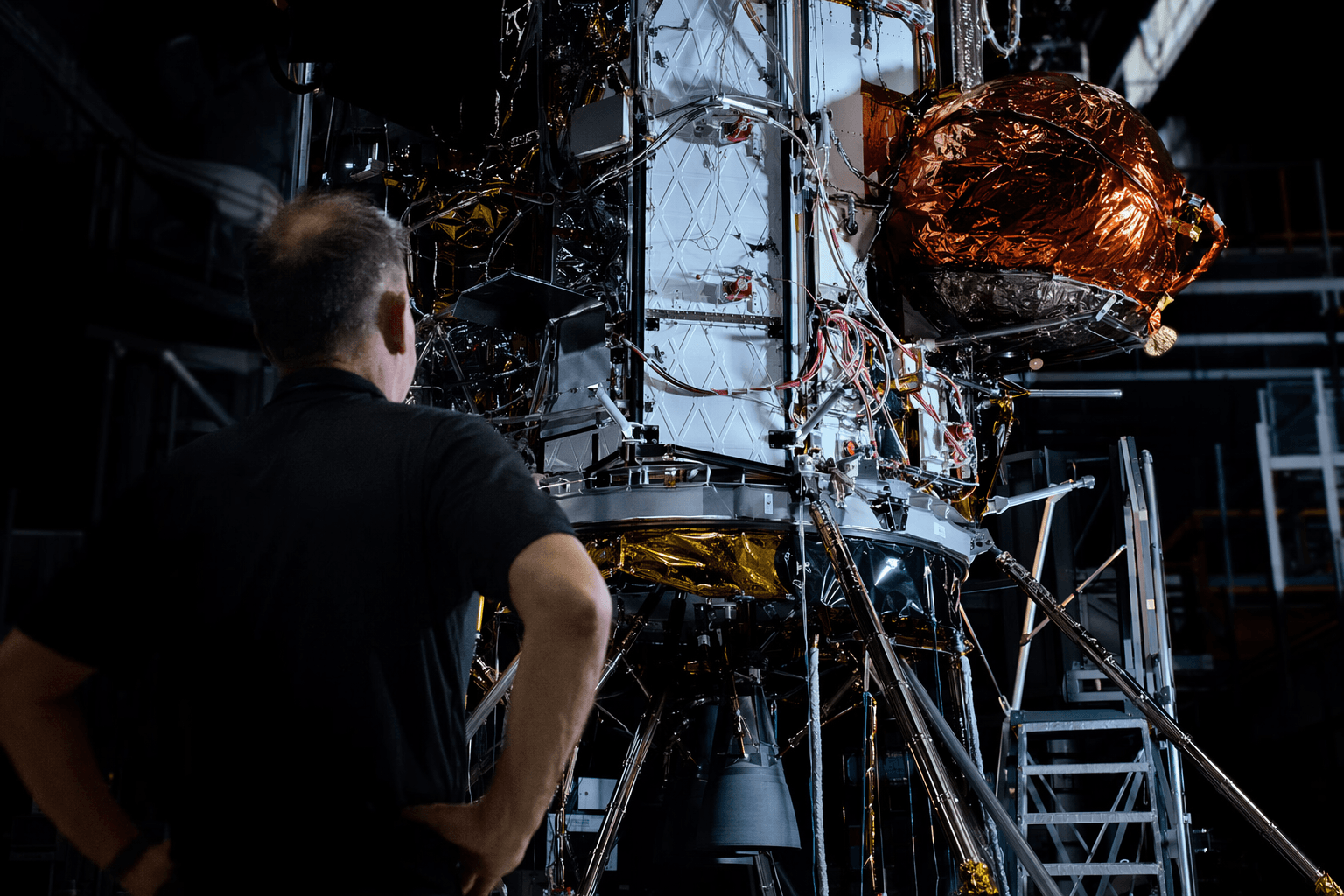
The numbers behind the program show how much is already at stake. NASA’s Office of Inspector General says NASA has obligated nearly $7 billion to Human Landing System development since 2019 and is projected to spend more than $18 billion through fiscal 2030. The same watchdog said NASA’s firm-fixed-price approach has helped control cost growth, but schedule risk remains a major problem. In other words, NASA may be containing the budget line better than the calendar line.
That calendar has slipped before. The Government Accountability Office said NASA once needed Artemis III done by December 2025, and later schedules left little margin for delay. GAO also noted a roughly two-year gap between Artemis III and Artemis IV, from September 2026 to September 2028, another sign that the program’s cadence is still fragile.

NASA says it plans to add an additional Artemis mission in 2027 and then aim for at least one surface landing every year after that. Whether that becomes a routine lunar pipeline or another promise outrunning the hardware will depend on whether SpaceX and Blue Origin can move faster than they have so far.
This article was produced by Prism’s automated news system from verified source data, official records, and press releases, then run through automated quality and moderation checks before publishing. The system is built and supervised by the people who set the standards it runs under. Read our full AI policy.
Did this article answer your question?