Arsenic from Myanmar mines poisons the Mekong and threatens livelihoods
Arsenic was found in the Mekong mainstream near Chiang Saen, and a Thai fisherman now carries the metal in his body while fish sales collapse.
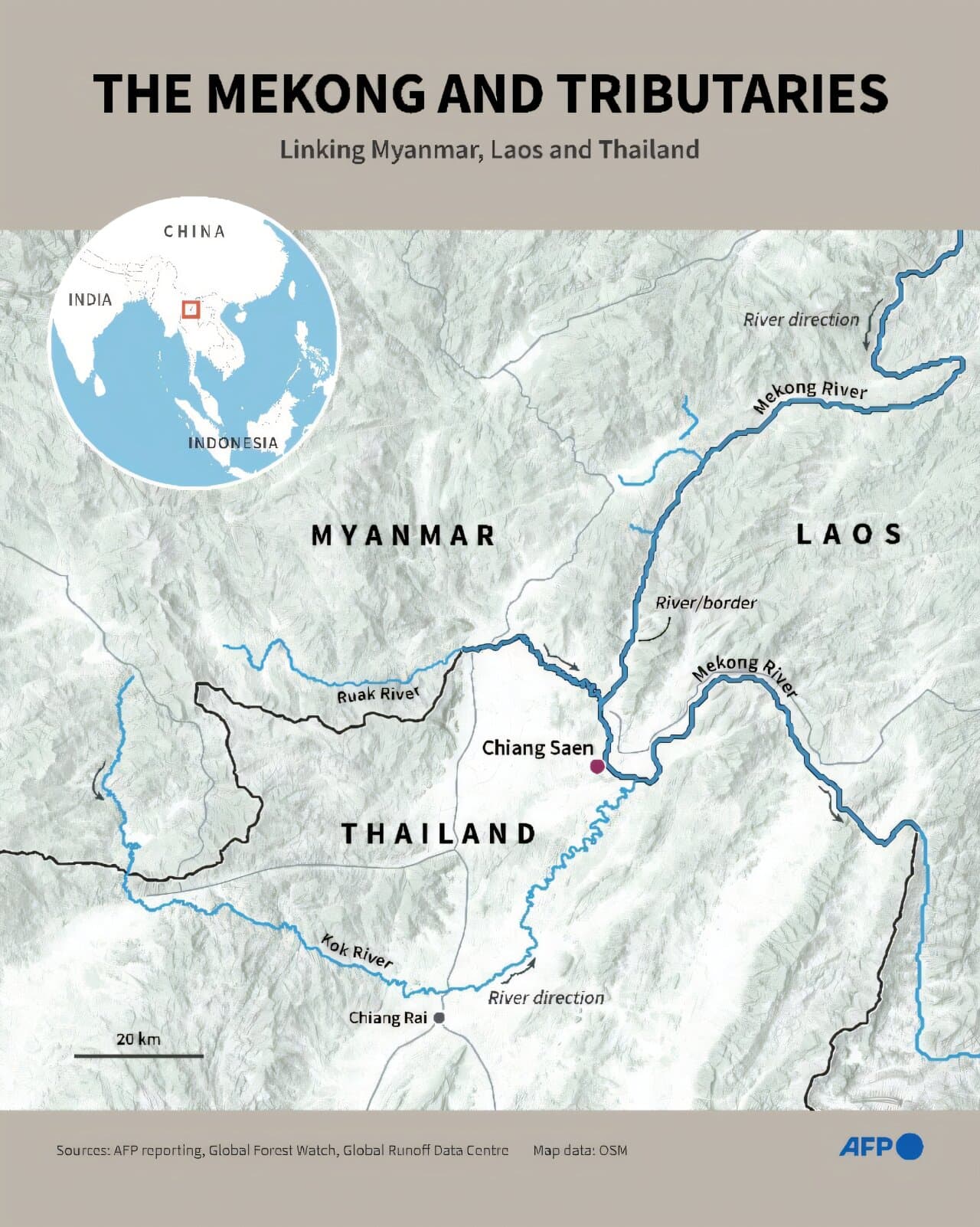
Arsenic has reached the Mekong mainstream near Chiang Saen in northern Thailand, where the pollution control department found concentrations of up to 296 milligrams per kilogram of sediment in April 2026, more than nine times the level considered dangerous for aquatic life. It was the first time the contamination had been detected in the river itself, not just in tributaries, raising alarms that a cross-border pollution crisis is spreading through a waterway that millions rely on for food and drinking water.
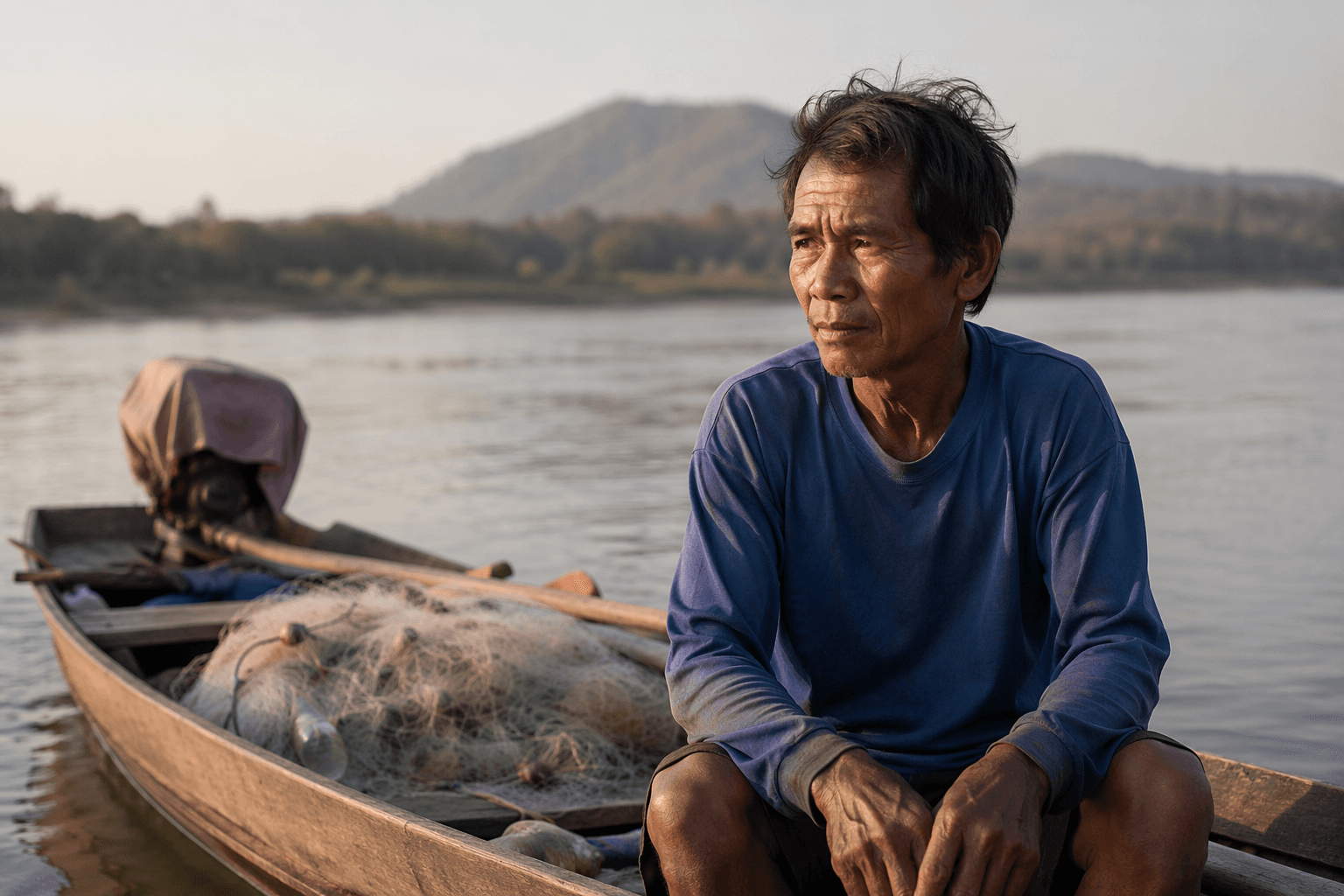
For Somdet Singthong, the damage is already personal. The Thai fisherman steered his metal skiff across the brown Mekong while doctors found elevated arsenic in his fingernails and urine. He said “the impact has been huge,” adding that villagers no longer want to buy his fish and that some “won’t touch it at all.” In communities that have long depended on the river for income and protein, fear of contamination is turning a livelihood into a liability.
Researchers and activists trace the pollution upstream to unregulated mining in conflict-torn parts of Myanmar, including extraction tied to rare earth elements used in smartphones, wind turbines and electric vehicles. The Stimson Center said “conflict, fragmented governance, and global markets” are combining to sustain extraction at the expense of human security. Its 2025 research mapped nearly 800 locations of unregulated rare earth and other mining activity along Mekong tributaries in Laos, Myanmar and Cambodia, while later satellite-based reporting identified 513 rare-earth sites across at least six key tributaries of the Mekong, Salween and Irrawaddy rivers in Myanmar over the past decade.
The contamination has already shown up in the Kok, Sai and Ruak river systems before reaching the Mekong mainstream. Chiang Mai University researchers found arsenic levels 10 times higher than normal in sediment from the Kok River, and one assistant professor called the situation a “time bomb,” citing long-term risks including cancer and neurological disorders. The Mekong River Commission said it began testing water quality in Luang Prabang in June 2025 after notified arsenic exceedances and warned member countries to prepare for downstream impacts, including the Mekong Delta, where the river supports one of Vietnam’s most important rice-growing regions.
Thailand has begun to respond, but the scale of the challenge shows how limited any one country’s control is over a basin shaped by upstream extraction and downstream exposure. On March 17, 2026, Thailand’s cabinet approved 188.36 million baht for 14 projects in 2026-2027 to address cross-border water pollution in Chiang Rai province. Buddhist monks have also marched along the contaminated waterway, underscoring how fast a mining problem in Myanmar has become a public-health and governance test for the entire Mekong basin.
This article was produced by Prism’s automated news system from verified source data, official records, and press releases, then run through automated quality and moderation checks before publishing. The system is built and supervised by the people who set the standards it runs under. Read our full AI policy.
Know something we missed? Have a correction or additional information?
Submit a Tip