Artemis II Launches First Humans Toward Moon in Over 50 Years
Artemis II lifted off Wednesday with the first woman and first person of color bound for the Moon, opening a high-stakes 10-day mission that won't truly succeed until Orion's systems check out.
The liftoff itself was only the beginning.
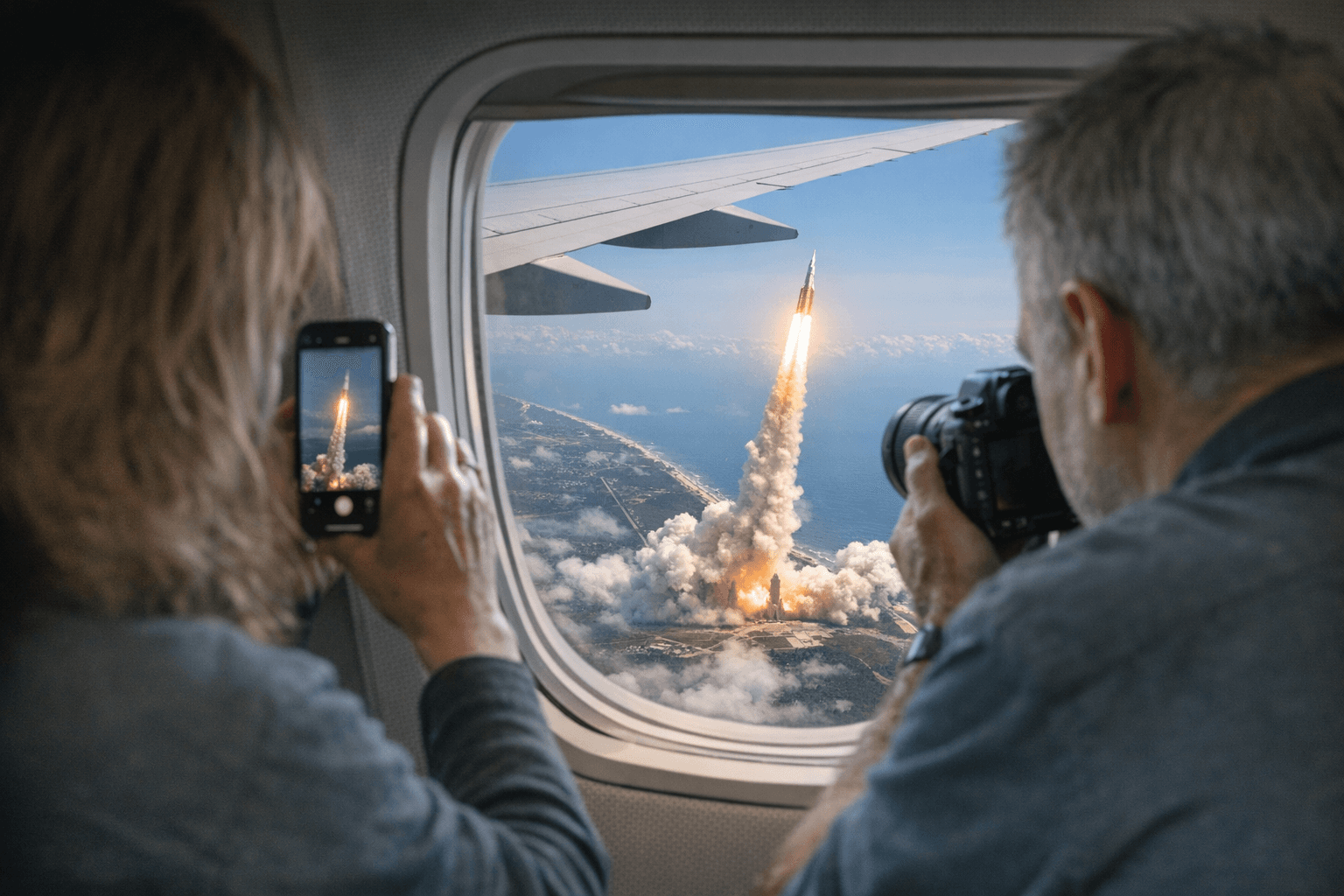
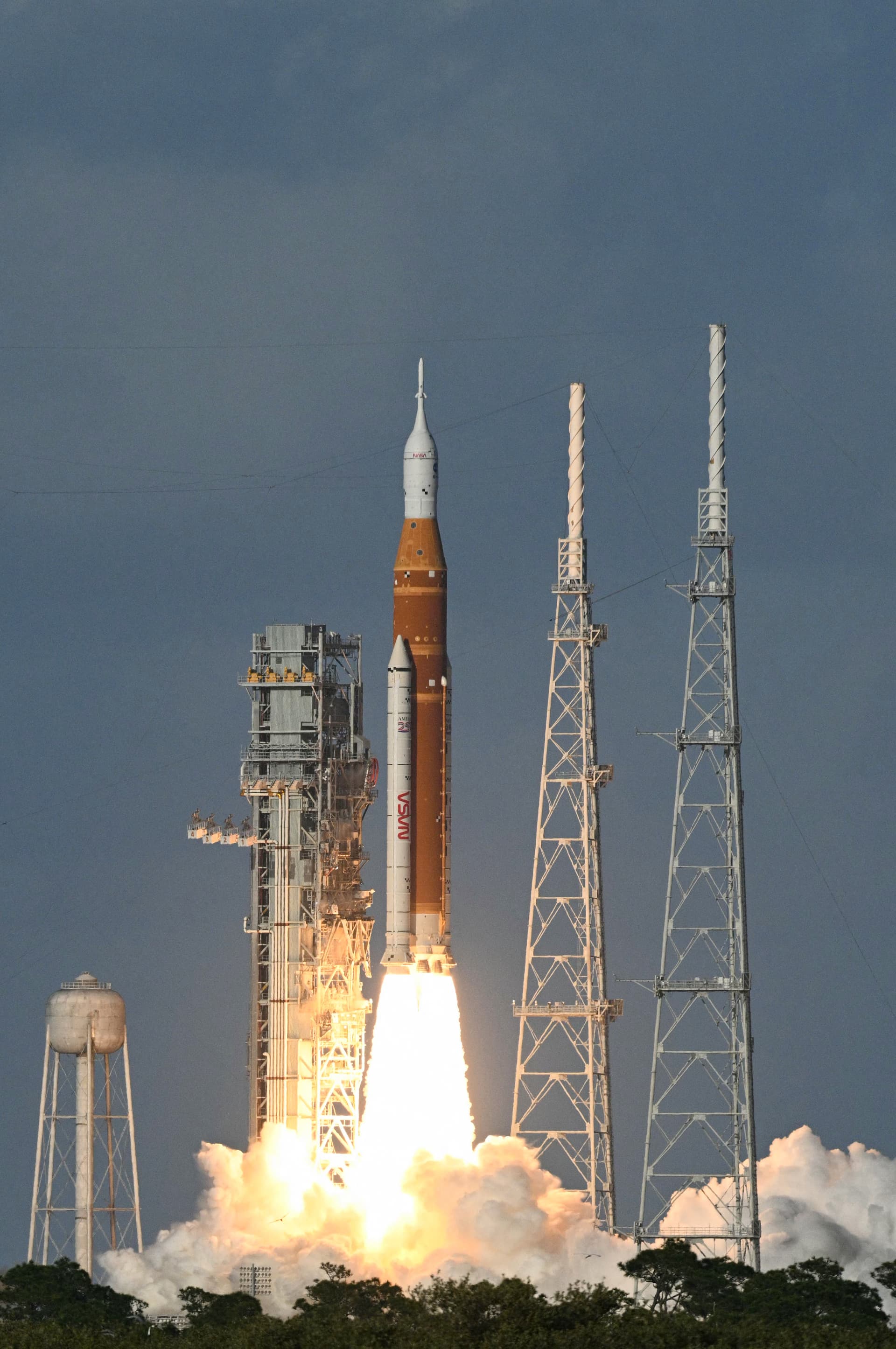
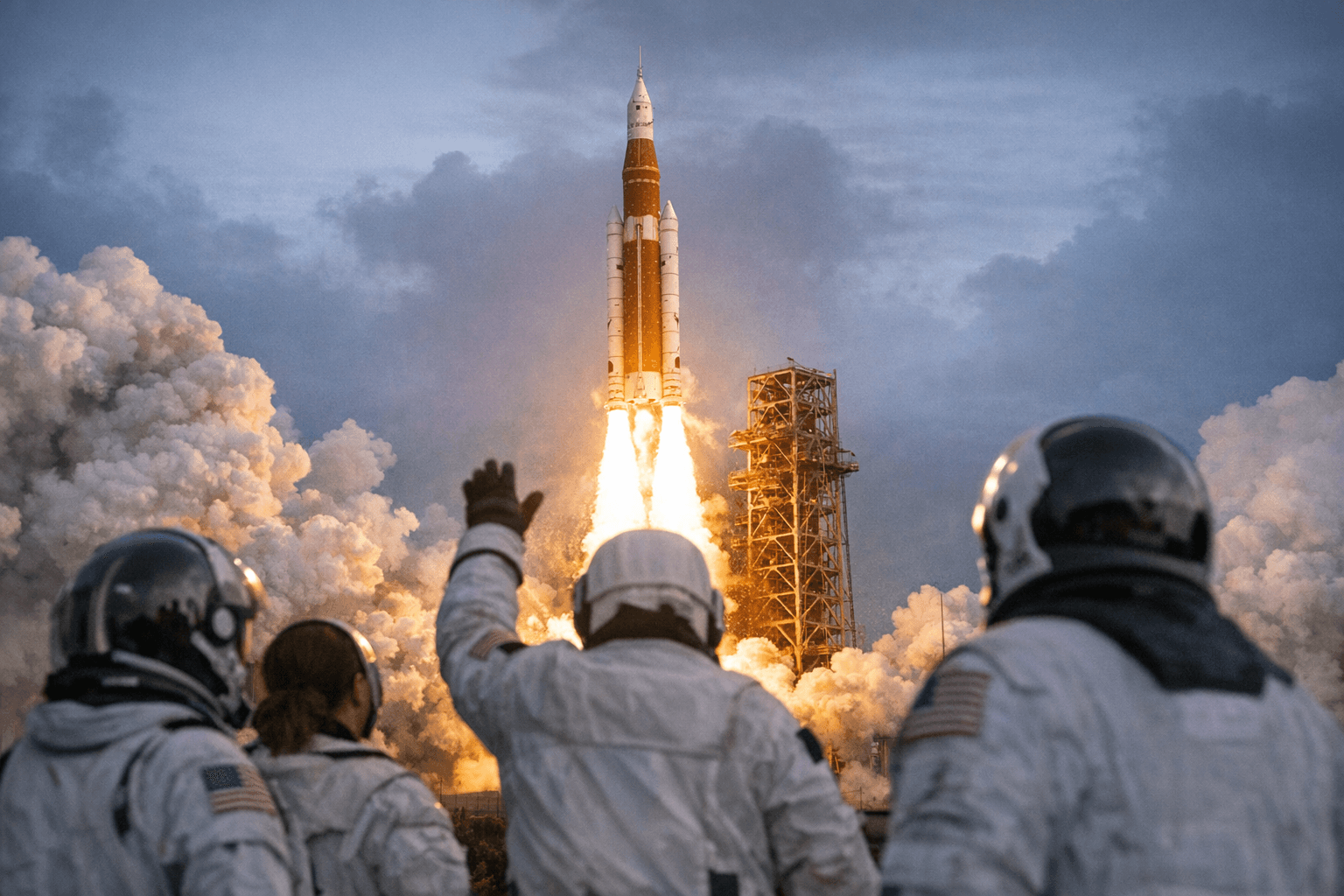
Four astronauts cleared the launch tower at Kennedy Space Center on Wednesday evening aboard NASA's Space Launch System rocket, beginning the first human journey toward the Moon since December 1972. The 6:35 p.m. ET launch from Cape Canaveral set in motion a 10-day sequence of technical milestones that will determine whether Artemis II delivers on its core purpose: proving that modern deep-space human spaceflight works, and whether the program's 2028 crewed lunar landing target can hold.
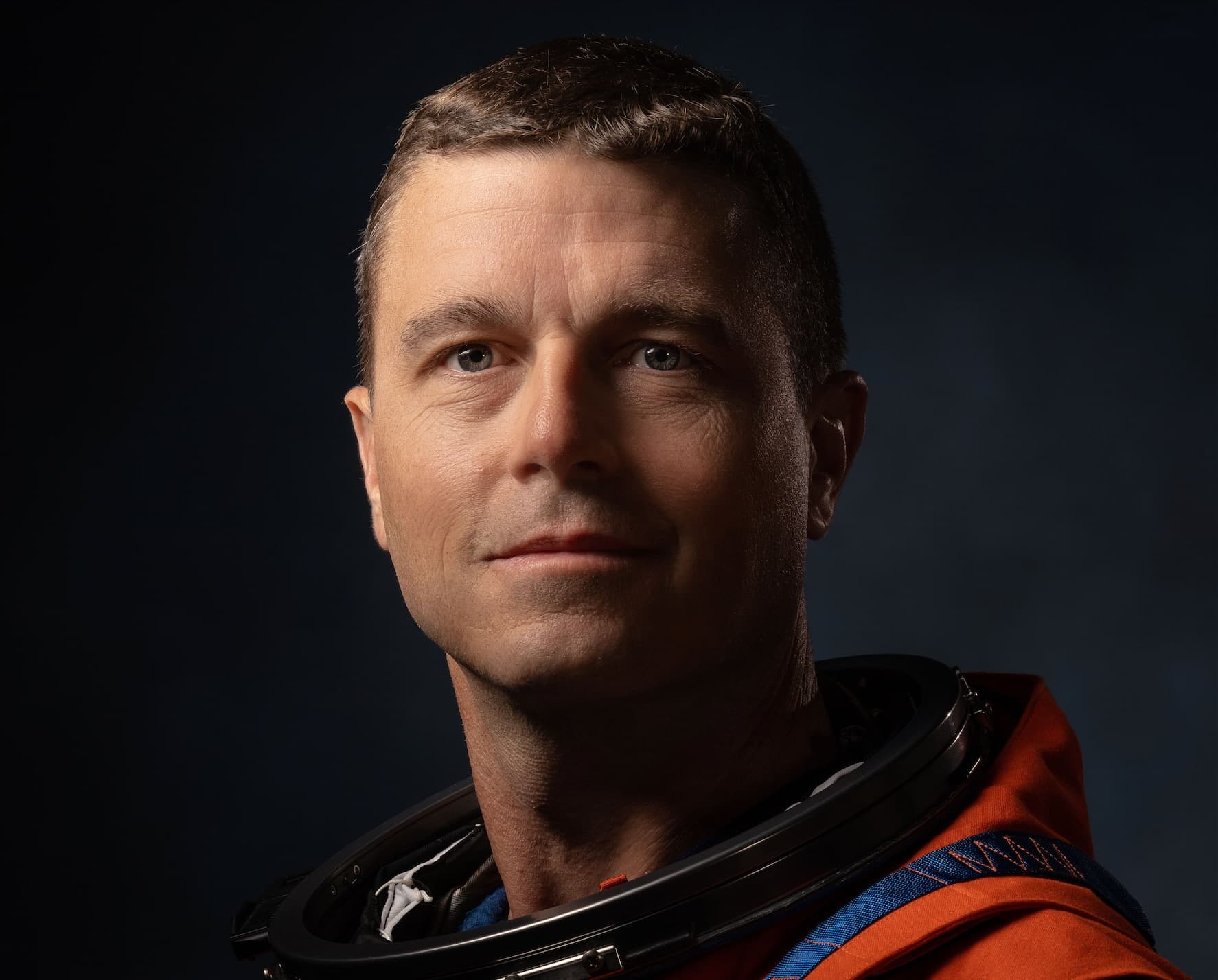
Commander Reid Wiseman, Pilot Victor Glover, and Mission Specialists Christina Koch and Jeremy Hansen rode inside the Orion capsule, which the crew nicknamed "Integrity." Each carried a piece of history: Glover became the first person of color to travel toward the Moon; Koch the first woman; Hansen, representing the Canadian Space Agency, the first non-U.S. citizen to travel beyond low Earth orbit; and Wiseman the oldest person to leave low Earth orbit. "We want everybody to be a part of this mission," Glover said ahead of launch, a line that also speaks to NASA's "Send Your Name with Artemis II" initiative, which stored millions of names on an SD card aboard Orion.
The mission's drama, however, does not end at liftoff. For roughly the first 25 hours after launch, the crew remained in Earth orbit conducting systematic checkouts of Orion's systems before executing a translunar injection burn to set course for the Moon. That burn is the first critical decision gate, a go or no-go that hinges entirely on how cleanly those checkouts proceed. Any anomaly in propulsion, life support, or communications during that Earth-orbit phase could delay or abort the lunar transit before it begins.
The free-return trajectory the crew is flying requires no orbital insertion at the Moon. Orion swings around the lunar body and uses gravity to slingshot back toward Earth, limiting exposure while still placing humans farther from home than any astronaut has traveled since Apollo 17 astronaut Harrison Schmitt stepped off the lunar surface in 1972. Schmitt, now 90 and one of the last humans to walk on the Moon, offered advice to the Artemis II crew ahead of launch.
This is only the second flight of the SLS rocket and the first time Orion has carried a crew. Both systems are now being evaluated in the operational environment that lab testing and the uncrewed Artemis I mission could not fully replicate. Engineers will be watching thermal performance, life support margins, and the spacecraft's deep-space communications behavior closely throughout the transit. Problems at any stage could ripple forward into planning for Artemis III, the mission targeting an actual lunar landing.
The Artemis II mission is explicitly structured as a rehearsal, not an arrival. NASA's stated goal is to verify human capabilities in deep space, positioning the program for that 2028 crewed landing. The sequence mirrors the logic of Apollo 8 in 1968, which flew humans around the Moon eight months before Apollo 11 landed. Whether that parallel holds depends on what Orion's systems reveal in the coming days, not on a clean liftoff from Cape Canaveral.
Sources:
Know something we missed? Have a correction or additional information?
Submit a Tip