Ascend Elements files for Chapter 11 after delays, grant shortfall
Ascend Elements filed Chapter 11 after delays, cost overruns and a grant shortfall left it short on cash. The case exposes how fragile U.S. battery industrial policy can be.

Ascend Elements, one of the most heavily financed bets in the U.S. battery materials buildout, sought Chapter 11 protection after construction delays, contractor disputes and the loss or curtailment of federal grant funding left it facing a near-term liquidity shortfall. The voluntary petitions for Ascend Elements US, LLC and affiliated debtors were filed April 9 in the Southern District of Texas under case numbers 26-90439 and 26-90440.
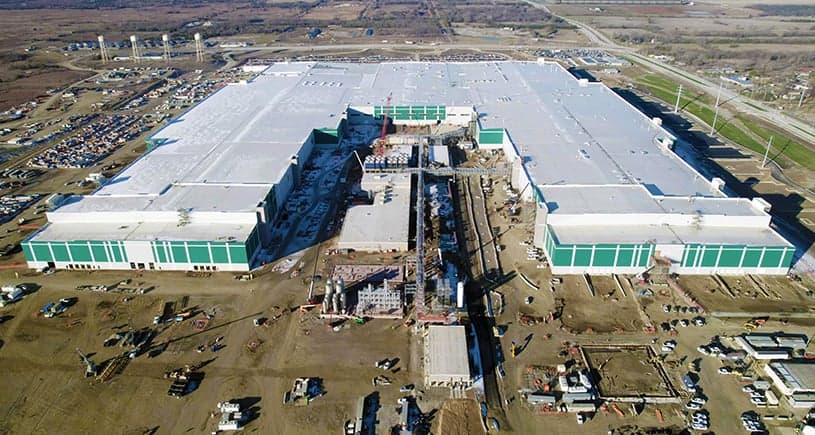
Founded in 2015, Ascend built its business around closed-loop recycling of lithium-ion batteries and the production of battery-grade cathode materials. Its footprint includes a recycling and refining site in Covington, Georgia, planned plants in Kentucky and projects in Europe. The company raised $542 million in equity financing in September 2023 and another $162 million in February 2024. Company announcements also pointed to a multi-year pCAM supply contract first valued at about $1 billion, with potential expansion to $5 billion, a sign of the commercial expectations tied to the Kentucky buildout.
Federal support was central to the expansion plan, and its retreat was central to the strain. U.S. spending records show a Department of Energy award obligation of $316,186,575 tied to Ascend, with about $205.99 million outlaid before later program changes. On Feb. 27, 2025, Ascend and the Energy Department said they had mutually agreed to cancel a $164 million cathode active material grant for the Hopkinsville Apex 1 site. In a public note and court declarations, Chief Executive Linh Austin said the company faced “insurmountable” financial challenges and needed the bankruptcy process to restructure operations and preserve jobs and facilities.
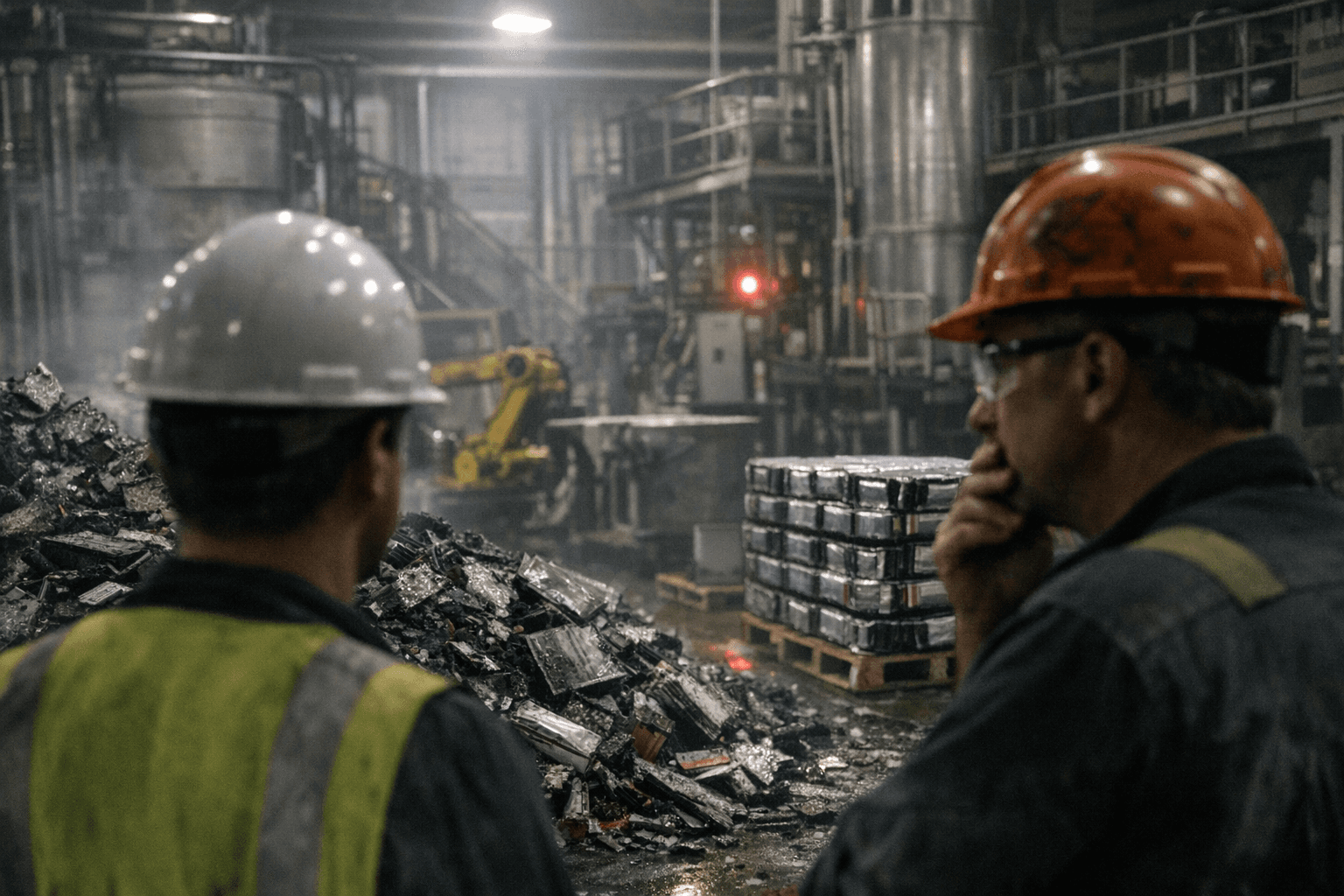
The Kentucky project also became a legal fight. A Turner-Kokosing joint venture sued Ascend seeking about $138 million for unpaid work on the $1 billion Apex site, adding another layer of pressure to a capital-intensive project that had already absorbed years of spending, delays and disputes. At the Covington site, multiple fire incidents had prompted concern from city officials and underscored the operational risks that can accompany first-of-a-kind battery recycling plants.
The bankruptcy now puts Ascend’s planned capacity, and the public money and private capital behind it, under court supervision. More broadly, it is a stress test for U.S. battery industrial policy, showing how quickly a promising domestic supply chain can be destabilized when subsidy assumptions, construction schedules and cash flow all break at once.
This article was produced by Prism’s automated news system from verified source data, official records, and press releases, then run through automated quality and moderation checks before publishing. The system is built and supervised by the people who set the standards it runs under. Read our full AI policy.
Did this article answer your question?