ASEAN+3 finance chiefs signal readiness to act on market volatility
Asia's finance chiefs said they are ready to act if markets lurch, a sign of concern over currency swings and capital flight, not routine noise.

Asia’s top finance chiefs signaled they are ready to step in if markets turn disorderly, a message that matters well beyond Samarkand. The concern is not ordinary volatility but the kind of shock that can trigger capital flight, sharp currency moves and tighter liquidity, with spillovers that could reach U.S. portfolios, supply chains and borrowing costs.
At the 29th ASEAN+3 Finance Ministers’ and Central Bank Governors’ Meeting, held on May 3, 2026, in Samarkand, Uzbekistan, ministers and central bankers from China, Japan, South Korea and the 10 ASEAN states said they would stay alert to risks from disorderly moves in financial markets and shifts in global liquidity conditions. The meeting was co-chaired by Philippine and Japanese officials Joven Z. Balbosa, Rosalia V. De Leon, Katayama Satsuki and Himino Ryozo. AMRO, the Asian Development Bank, the ASEAN Secretariat and the International Monetary Fund also attended, and the group welcomed Timor-Leste’s accession as ASEAN’s 11th member.
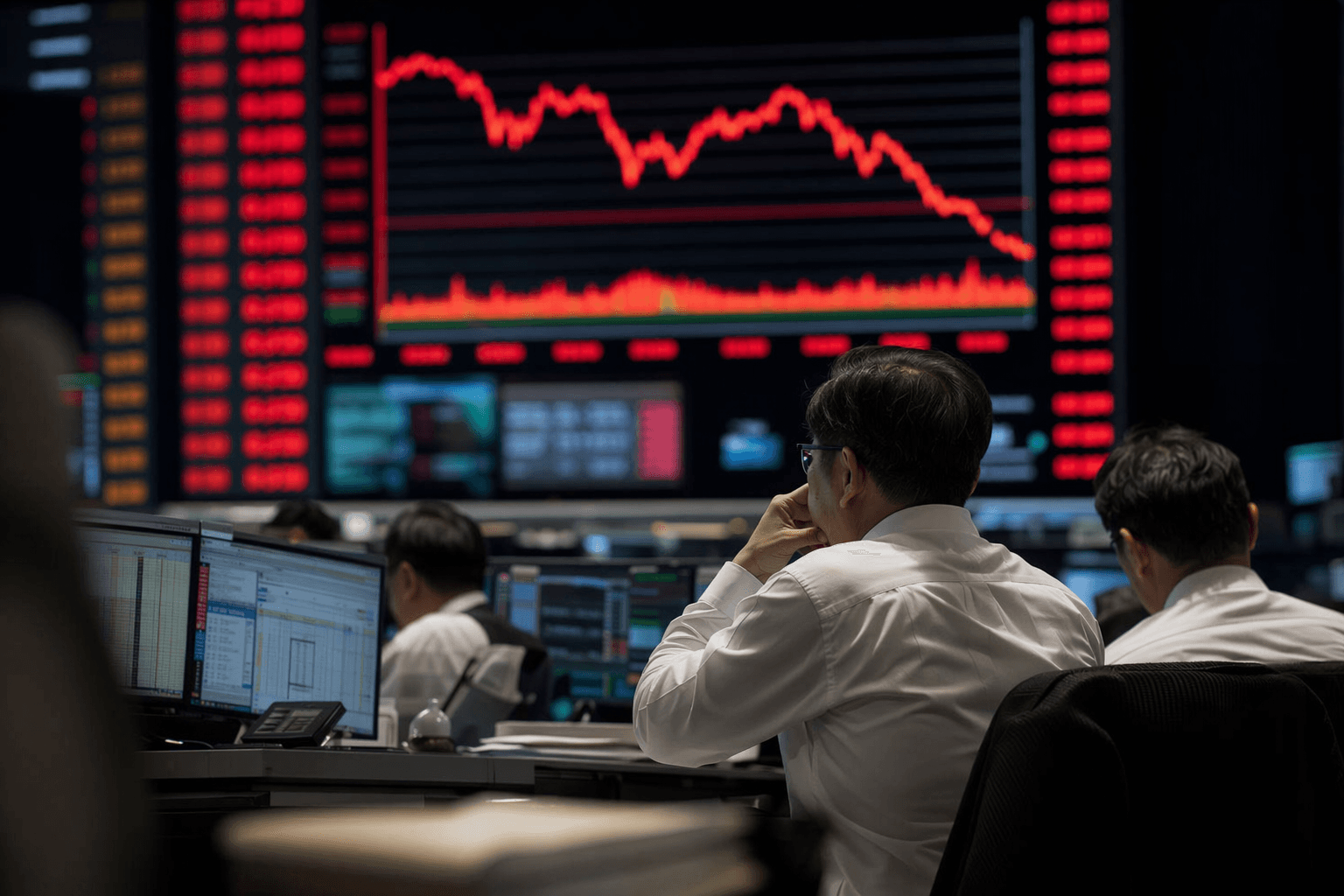
The language was intentionally cautious. The statement did not announce a rescue package, an interest-rate response or a currency intervention. Instead, it stressed that ASEAN+3 entered 2026 from a position of relative strength, supported by stronger-than-expected 2025 growth, low inflation and improved external buffers. Even so, the officials said the conflict in the Middle East had raised downside risks through higher oil and gas prices, tighter global financial conditions and renewed volatility in capital flows and exchange rates. If the shock persists, they warned, it could spread beyond energy markets into industrial inputs, logistics, food prices, tourism and remittances.
That warning sits inside a crisis-management framework built after the 1997 Asian financial crisis. ASEAN+3 finance cooperation grew out of the ASEAN+3 Finance Process, and the Chiang Mai Initiative Multilateralisation was established in 2010. ASEAN says the CMIM now has a total size of US$240 billion, and the IMF-de-linked portion was increased to 40% in 2019. The point of that machinery is to reassure markets that policymakers can coordinate before stress becomes a full-blown crisis.

The comparison with the previous ASEAN+3 meeting in Milan on May 4, 2025, shows how quickly the tone has shifted. Last year, the group said the regional economy grew 4.3% in 2024 after 4.4% in 2023, noted that markets had remained well-functioning despite heightened volatility in late 2024, and expected growth of around 4% in 2025. This year’s statement was still calm, but less complacent. For investors in the United States, that makes it an early warning: Asia’s officials are not signaling panic, but they are clearly preparing for the kind of instability that can travel fast through currencies, trade and capital markets.
This article was produced by Prism’s automated news system from verified source data, official records, and press releases, then run through automated quality and moderation checks before publishing. The system is built and supervised by the people who set the standards it runs under. Read our full AI policy.
Did this article answer your question?