Stocks Set to Fall as Iran-U.S. Tensions Raise Oil, Shipping Fears
A missile claim near the Strait of Hormuz pushed Brent crude up more than 5%, while U.S. stock futures slipped before the opening bell.
A claim that Iran fired missiles at a U.S. warship near the Strait of Hormuz rattled markets before the opening bell, with U.S. stock index futures pointing lower as Brent crude jumped more than 5% and the dollar strengthened. For investors, the transmission was immediate: any threat to a key oil lane can ripple into energy costs, inflation expectations and portfolio values before Wall Street even starts trading.
The pressure centered on the Strait of Hormuz, a chokepoint that carries roughly one-fifth of global oil and liquefied natural gas flows. Iran said it had forced a U.S. warship to turn back, while U.S. officials denied that missiles hit a warship near the waterway. The claims were not independently verified, but they were enough to revive fears that the shipping route could remain a live flashpoint in a crisis that has already shut the strait since late February. President Donald Trump said the United States would “guide” ships not involved in the war with Iran out of the strait, and a U.S.-led task force said it had begun the operation.

That combination of higher oil, lower futures and a firmer dollar set a cautious tone across asset classes. European shares and bond prices also fell as traders weighed whether the latest flare-up was a short-lived burst of headline risk or the start of a deeper disruption to energy and shipping flows. The market reaction echoed the week of April 27, when weekend uncertainty over Iran slowed Wall Street’s record rally.
Outside the Middle East, Berkshire Hathaway remained in focus as it held its 2026 annual meeting in Omaha, Nebraska, the first since Warren Buffett handed the chief executive role to Greg Abel at the start of the year. Investors are still recalibrating the company’s next phase under Abel after decades of Buffett’s leadership.
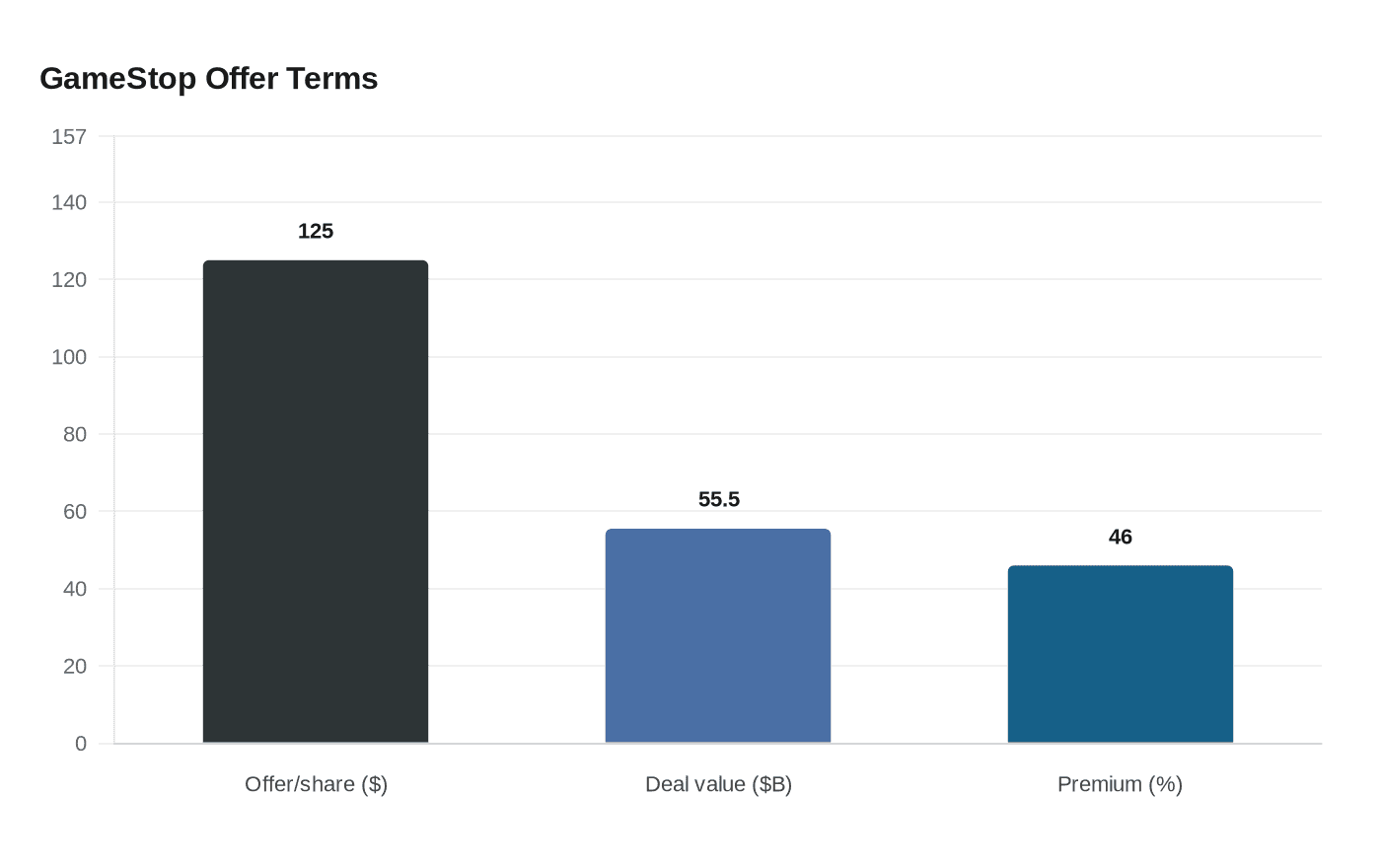
GameStop also drew attention after it disclosed a non-binding proposal on May 3 to acquire eBay for $125 a share in cash and stock. GameStop said the offer valued eBay at about $55.5 billion and represented a 46% premium to eBay’s unaffected closing price on February 4. eBay said on May 4 that it had received the unsolicited proposal and had no prior discussions or outreach from GameStop.
This article was produced by Prism’s automated news system from verified source data, official records, and press releases, then run through automated quality and moderation checks before publishing. The system is built and supervised by the people who set the standards it runs under. Read our full AI policy.
Did this article answer your question?