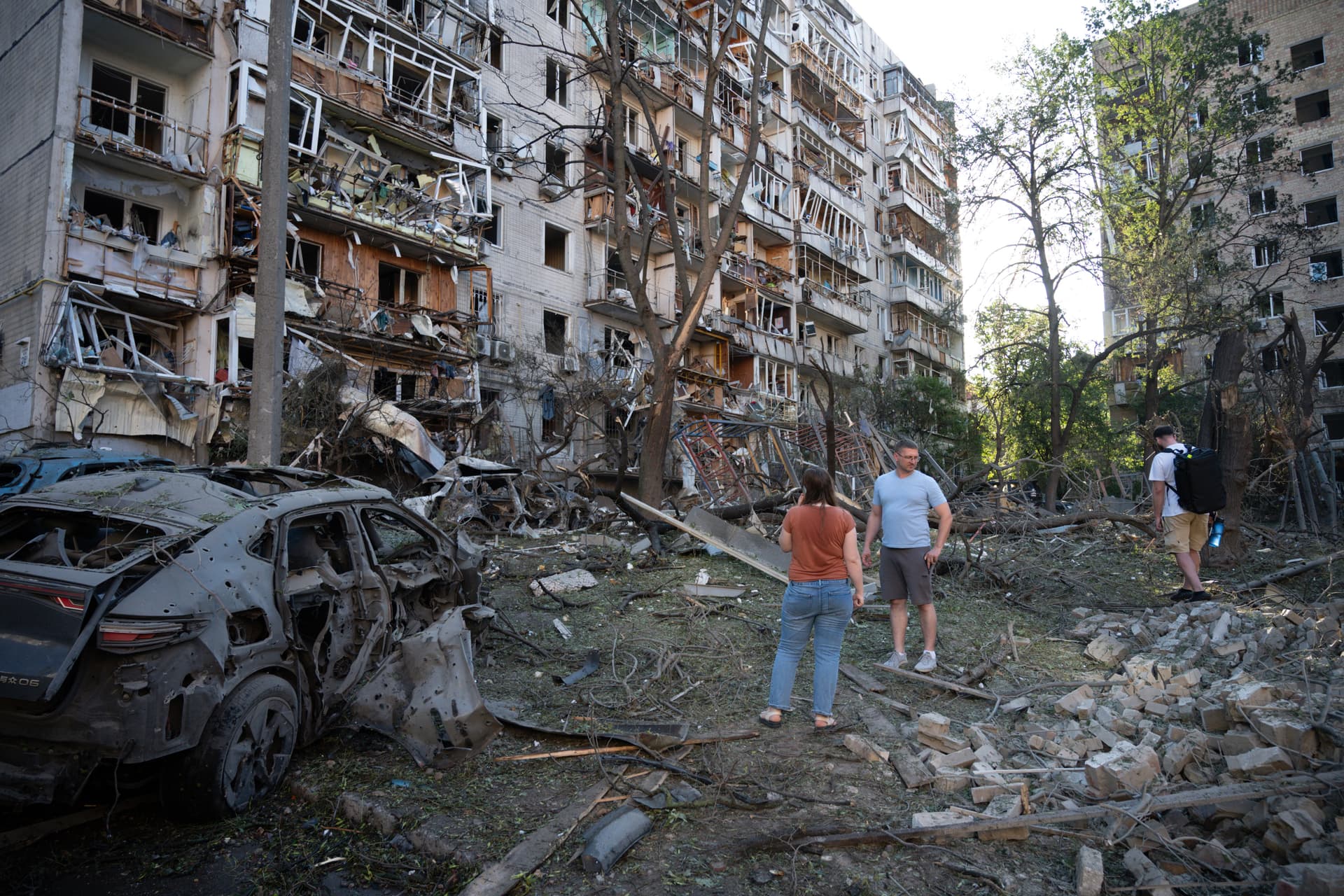
Asia Floods Kill More Than 1,500, Rescue Efforts Race On
Catastrophic floods and landslides across parts of Asia have killed more than 1,500 people, leaving hundreds unaccounted for and thousands isolated as rescue teams race to reach survivors. The scale of the disaster underscores long standing environmental and development vulnerabilities, and raises immediate concerns about humanitarian needs, regional supply chains, and fiscal strain for affected governments.

Rescue teams and military units are struggling to reach isolated communities on December 4, 2025 as continuing heavy rains compound one of the deadliest flood and landslide events in the region in recent years. Associated Press reporting places the confirmed death toll above 1,500, with hundreds still missing and emergency workers focusing on evacuations, temporary shelters, and delivery of food and medical supplies to cut off villages.
Indonesia and neighboring areas have been among the worst hit. Floodwaters have washed out roads and bridges, stranded residents on rooftops and riverbanks, and inundated low lying districts, complicating the logistics of aid convoys and airlifts. Ongoing rainfall means search operations are dangerous and recovery of remains is slow, increasing the human toll and hampering early estimates of the scale of destruction.
Officials and independent experts say the disaster was amplified by decades of deforestation, unregulated mining activity, and unchecked development in flood prone and hillslope areas. Those structural factors reduce natural water absorption and increase the speed and volume of runoff, turning heavy precipitation into sudden, destructive flows. Calls are growing for rapid investigations into corporate permits and enforcement records as authorities seek accountability for land use decisions that may have exacerbated the catastrophe.
The humanitarian crisis is urgent. Medical supplies and shelter capacity are strained, and relief agencies warn that continued rain could trigger further landslides and secondary flooding. Governments face immediate needs to finance emergency response while also planning longer term reconstruction of housing, roads and water systems. That dual challenge will place pressure on public budgets at a time when many regional economies are trying to stabilize post pandemic.

There are also broader market and economic implications. Indonesia is a major global producer of agricultural and mined commodities, supplying around 55 percent of world palm oil and significant shares of nickel and thermal coal. Disruptions to transport networks and damage to plantations, processing facilities and mining operations could create short term supply bottlenecks, contributing to price volatility in commodity markets and adding to inflationary pressures in importing countries. Insurers and investors will also reassess exposure to climate linked physical risks, potentially raising the cost of capital for projects in vulnerable areas.
Policy responses now under discussion will matter for both resilience and economic activity. Strengthening environmental oversight, tightening permitting standards, and enforcing rehabilitation requirements for mines and logged areas could reduce future disaster risk, but they will raise compliance costs for firms and may slow approvals for some projects. In the longer run, integrating climate adaptation into land use planning, restoring watersheds, and investing in early warning and evacuation infrastructure will be essential to limit losses as extreme precipitation events grow more frequent.
For now the priority remains saving lives and delivering aid. International partners and humanitarian organizations are mobilizing support, but the scale of the challenge and the complex interaction of environmental degradation and development choices mean recovery will be prolonged and expensive.
This article was produced by Prism’s automated news system from verified source data, official records, and press releases, then run through automated quality and moderation checks before publishing. The system is built and supervised by the people who set the standards it runs under. Read our full AI policy.
Did this article answer your question?