Asia stocks fall as chip rally cools, US-Iran tensions weigh
Asia-Pacific stocks slid as chip gains faded and Iran-U.S. tensions lifted inflation fears, with South Korean shares reopening down as much as 2.6%.
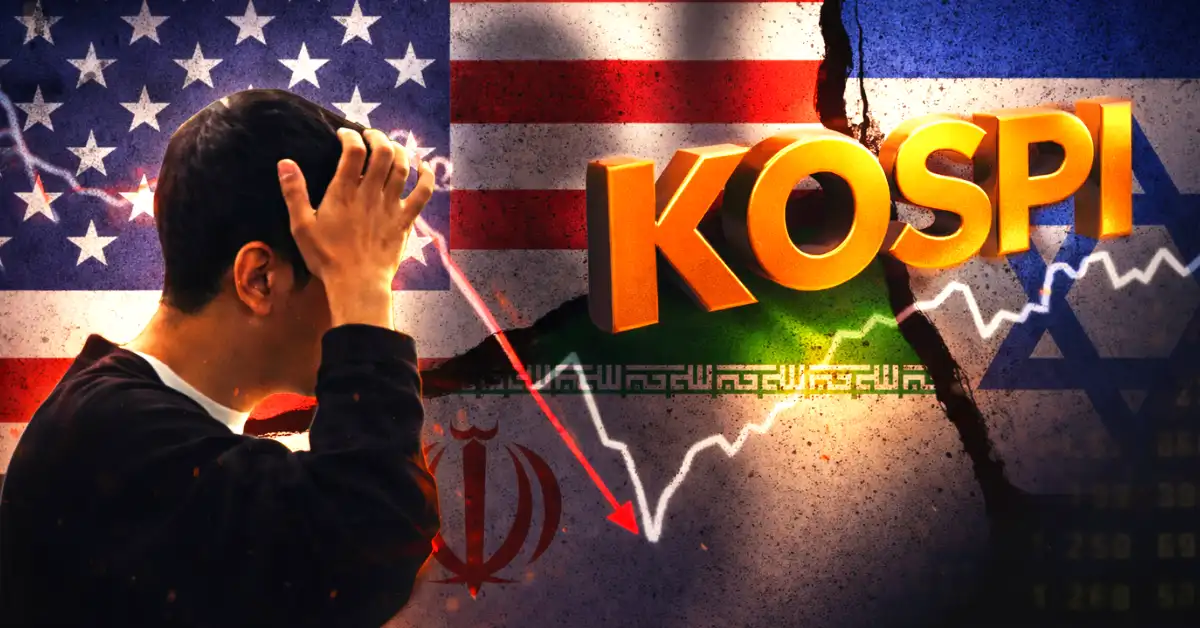
Asia-Pacific markets retreated on Thursday as renewed fighting between the U.S. and Iran reignited inflation fears and cooled a chip-led rally that had carried regional shares to record highs.
MSCI’s broadest index of Asia-Pacific shares outside Japan fell 1.5%, Japan’s Nikkei 225 dropped 1.9%, and South Korean shares reopened as much as 2.6% lower after a holiday. The move came after Wall Street’s previous session ended the S&P 500’s nine-day winning streak, while S&P 500 e-mini futures slipped 0.5% in early Asian trading.
The pressure was felt most clearly in markets that have been riding the semiconductor surge. AI-linked chipmakers had been one of the main engines behind the earlier regional rally, but that momentum faded as investors shifted attention from earnings optimism to geopolitical risk. For Asia, that matters more than for many other regions: the region is deeply tied to chip manufacturing, heavily exposed to trade flows, and far more vulnerable to swings in energy costs.
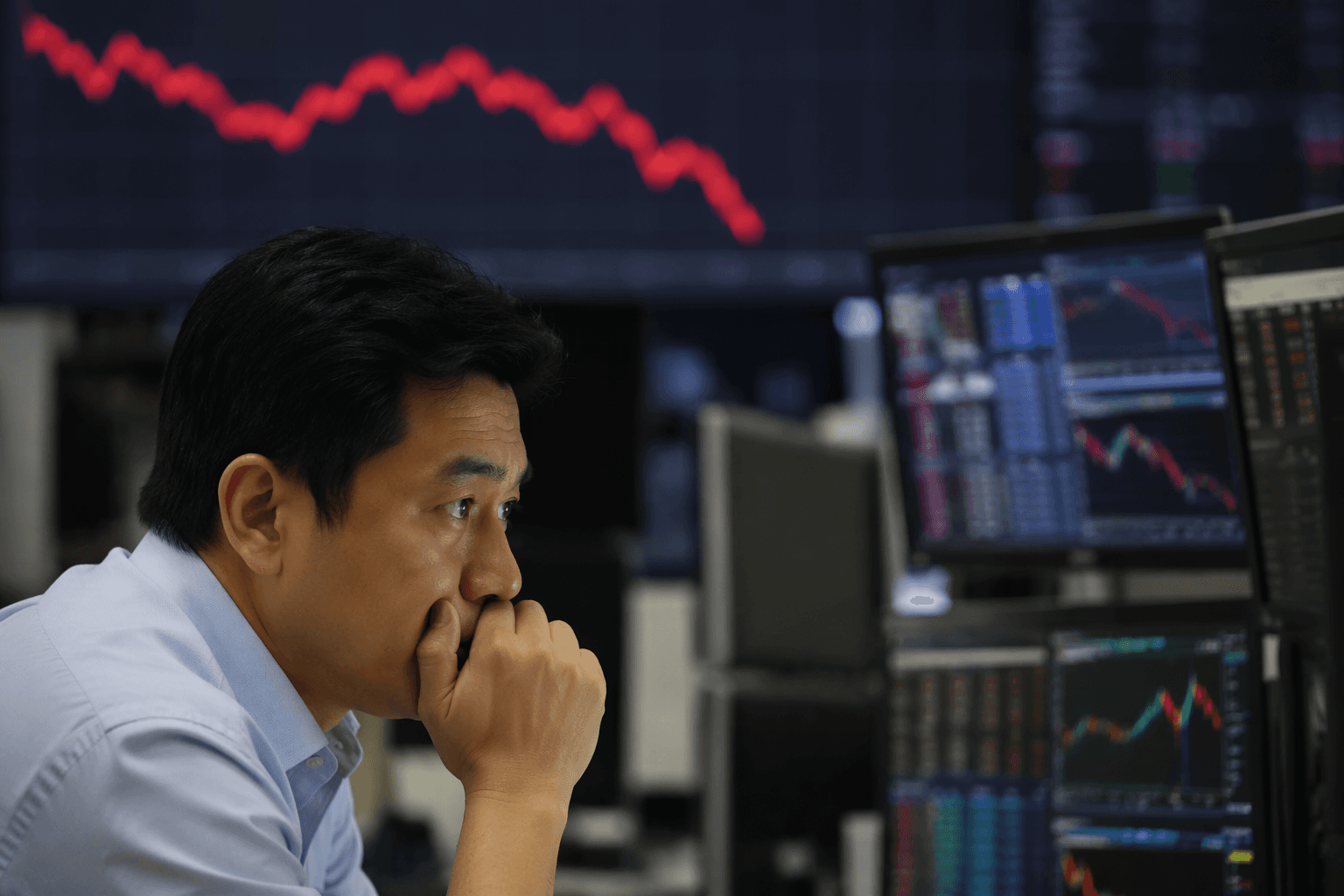
Oil prices, which had jumped on Wednesday, eased back as traders digested the latest headlines from the Middle East. Brent crude traded at $96.64 a barrel, down $1.17, while U.S. crude stood at $94.94, down $1.08 in early Thursday Asian trading. The pullback followed news that Israel and Lebanon had agreed to renew a fragile ceasefire and create pilot security zones inside Lebanon from which Hezbollah militants would be banned.
Even with oil off its highs, the market message was clear: investors were not comfortable treating the conflict as a contained episode. CNBC said renewed U.S.-Iran tensions were raising fears that the fighting could keep inflation elevated, a particular concern for Asia-Pacific economies that import large amounts of energy and rely on stable shipping and trade routes.
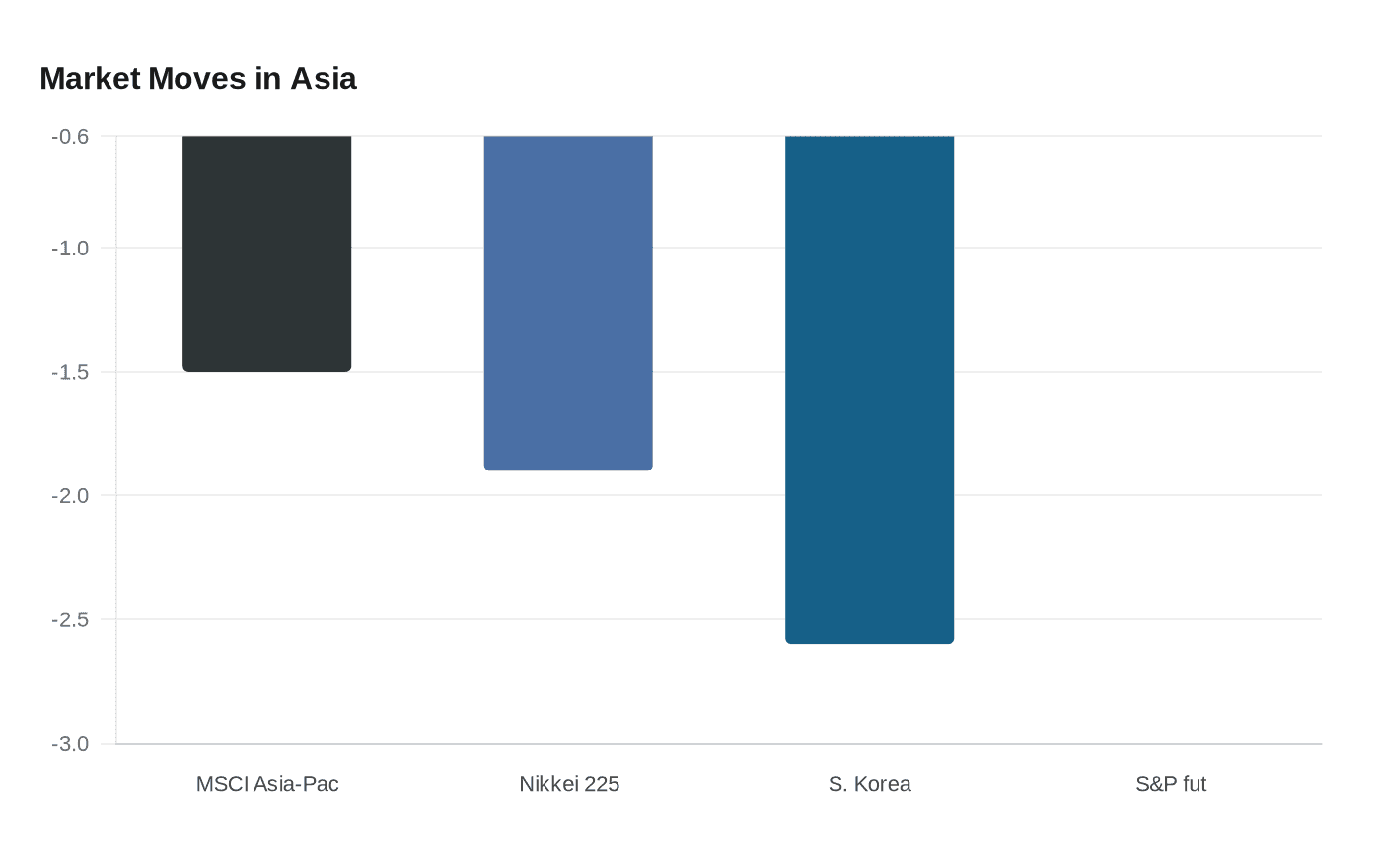
That combination of softer chip sentiment, higher geopolitical risk and persistent oil anxiety left Asia as an early read on whether the conflict would stay a market shock or spill into a wider economic problem. For now, the region’s traders are pricing in the same nerves hitting U.S. investors, but with less room for error.
This article was produced by Prism’s automated news system from verified source data, official records, and press releases, then run through automated quality and moderation checks before publishing. The system is built and supervised by the people who set the standards it runs under. Read our full AI policy.
Know something we missed? Have a correction or additional information?
Submit a Tip