Yamada Holdings and Edion weigh merger to create retail giant
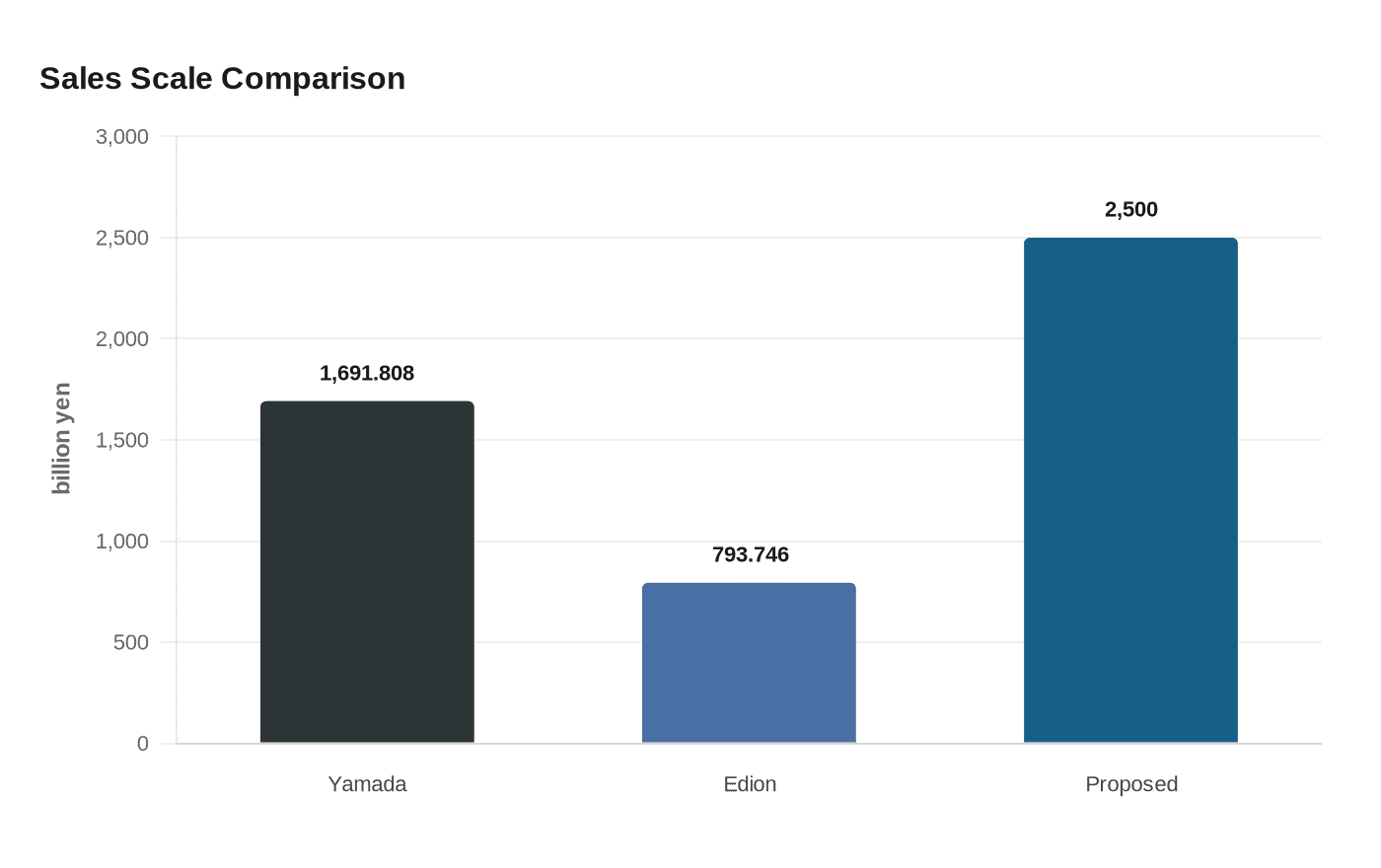
Yamada Holdings and Edion moved toward a 2.5 trillion yen tie-up, a deal that could reshape Japan’s appliance retail market. Scale, not just savings, is the point.
Japan’s two biggest home-appliance retailers moved closer to a merger that could create a 2.5 trillion yen sales giant, a sign that even dominant brick-and-mortar chains are being forced to consolidate as online rivals, cautious consumers and a mature appliance market squeeze growth.
Yamada Holdings and Edion said they were considering integrating their operations and planned board meetings for Friday to decide whether to approve a basic agreement. The proposed group would tower over second-ranked Nojima and many smaller competitors, giving the combined business greater weight in negotiations with suppliers and more room to reshape pricing, logistics and store operations.

The companies said the point of the tie-up was not only to cut costs but also to strengthen procurement power and improve development of original-brand products. That matters in a sector where appliances are easy to compare, margins are thin and retailers often compete on service, delivery and financing rather than product difference alone. If the merger goes ahead, the key question will be whether scale can translate into better service and sharper private-label offerings, or simply less choice for shoppers.
Yamada Holdings, based in Takasaki in Gunma Prefecture, operated about 930 stores nationwide, including furniture outlets. The company traces its roots to 1973, when founder Noboru Yamada opened a small electric goods store in Maebashi after working at JVC’s Maebashi plant. Edion, headquartered in Osaka, was formed in 2002 from the merger of regional chains. Both companies are listed on the Tokyo Stock Exchange Prime section, underscoring the size and reach of the proposed combination.
The financial pressure behind the talks was already visible in the latest results. For the fiscal year ended March 31, 2026, Yamada reported net sales of 1,691.808 billion yen, but operating profit fell to 16.166 billion yen and profit attributable to owners of parent dropped to 14.778 billion yen. Edion reported net sales of 793.746 billion yen, operating profit of 25.782 billion yen and profit attributable to owners of parent of 15.453 billion yen. Yamada had already cut its full-year forecast in April, a reminder that revenue alone is no longer enough to guarantee healthy returns.
Asahi described the plan as a horizontal integration and said it would be the industry’s largest realignment since 2012, when the former Yamada Denki bought Best Denki and Bic Camera acquired Kojima. If Yamada and Edion do combine, the deal would reflect a broader shift in Japanese retail: bigger footprints, stronger supplier leverage and a harder push to defend market share as demand slows and consumers spread spending across more channels.
This article was produced by Prism’s automated news system from verified source data, official records, and press releases, then run through automated quality and moderation checks before publishing. The system is built and supervised by the people who set the standards it runs under. Read our full AI policy.
Know something we missed? Have a correction or additional information?
Submit a Tip