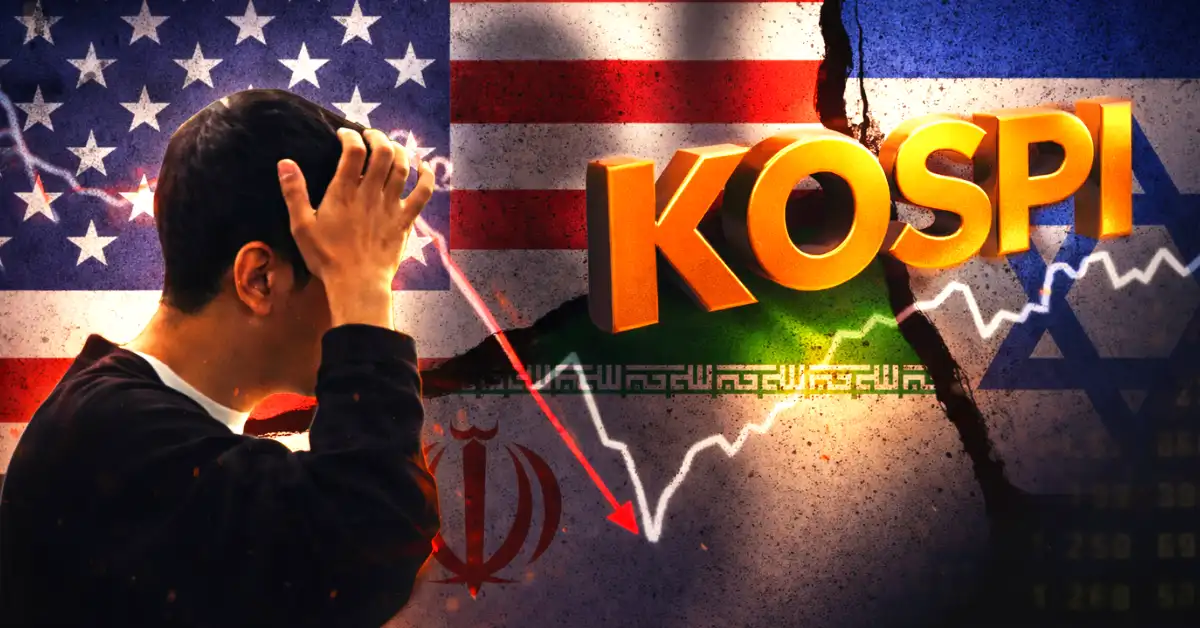
Wall Street slips as Middle East tensions push oil higher
Brent crude climbed to $97.81 a barrel as Wall Street’s nine-day S&P 500 win streak ended and futures pointed lower again.

Middle East tensions pushed oil to fresh highs and knocked Wall Street off its record perch, with futures pointing lower before the opening bell after a sharp pullback in stocks. S&P 500 futures fell 0.4%, Nasdaq 100 futures slipped 0.6%, and Dow futures added 27 points, or less than 0.1%, a mixed setup that still reflected a wary market.
The selloff followed a session in which U.S. stocks retreated as crude prices rose and investors grew more uneasy about inflation. The Dow, S&P 500 and Nasdaq all closed lower, with financials and tech leading the decline. Small-cap stocks, tracked by the Russell 2000, underperformed larger companies, a sign that investors were backing away from more cyclical names as the conflict in the Middle East intensified.

The S&P 500’s nine-session winning streak ended, matching its longest run since 1995 after AI-related buying had driven the index to a record close above 7,600 on Tuesday, June 2. That rally had left the market exposed to any shock that might revive worries about rates, inflation and the durability of profit growth. Rising Treasury yields added to the pressure, turning what had been a momentum-driven advance into a broad risk-off move.
Oil was the clearest transmission channel. Brent crude settled at $97.81 a barrel and West Texas Intermediate at $96.02, with both benchmarks rising about 2% as hostilities in the Middle East flared and talks between Tehran and Washington showed little progress. Higher crude ripples through the economy quickly, raising fuel costs for airlines, shipping firms and truckers before showing up in the prices consumers pay at the pump and in stores.
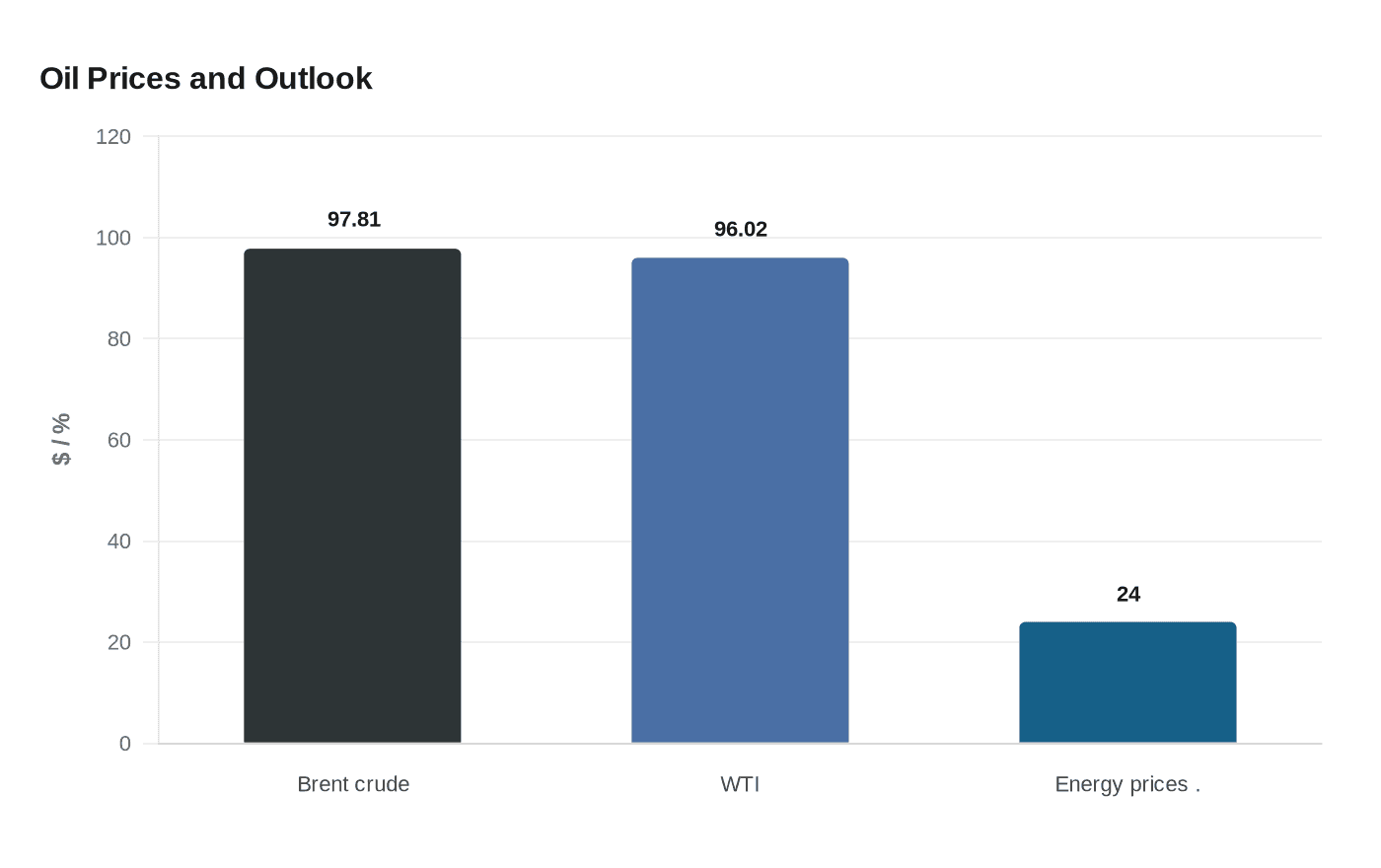
The stakes are larger than a single day’s trading. The World Bank said energy prices were projected to surge 24% in 2026, to their highest level since 2022, which helps explain why traders are treating the latest oil spike as an inflation warning rather than a passing headline. If the conflict broadens, the hit could spread from oil futures to retirement accounts tied to the major indexes, while keeping pressure on consumer prices and delaying any sense that markets have escaped the inflation shock of the last few years.
This article was produced by Prism’s automated news system from verified source data, official records, and press releases, then run through automated quality and moderation checks before publishing. The system is built and supervised by the people who set the standards it runs under. Read our full AI policy.
Know something we missed? Have a correction or additional information?
Submit a Tip