Astronomers find black hole wind at Milky Way's center
Astronomers uncovered a wind from Sagittarius A*, ending a 50-year mystery and showing even a quiet giant can reshape its galaxy.
After five decades of searching, astronomers have finally traced a wind to Sagittarius A*, the supermassive black hole at the center of the Milky Way. The result turns a long-suspected idea into direct evidence: the black hole at the heart of our galaxy is not just sitting there passively, but is actively pushing material around its environment.
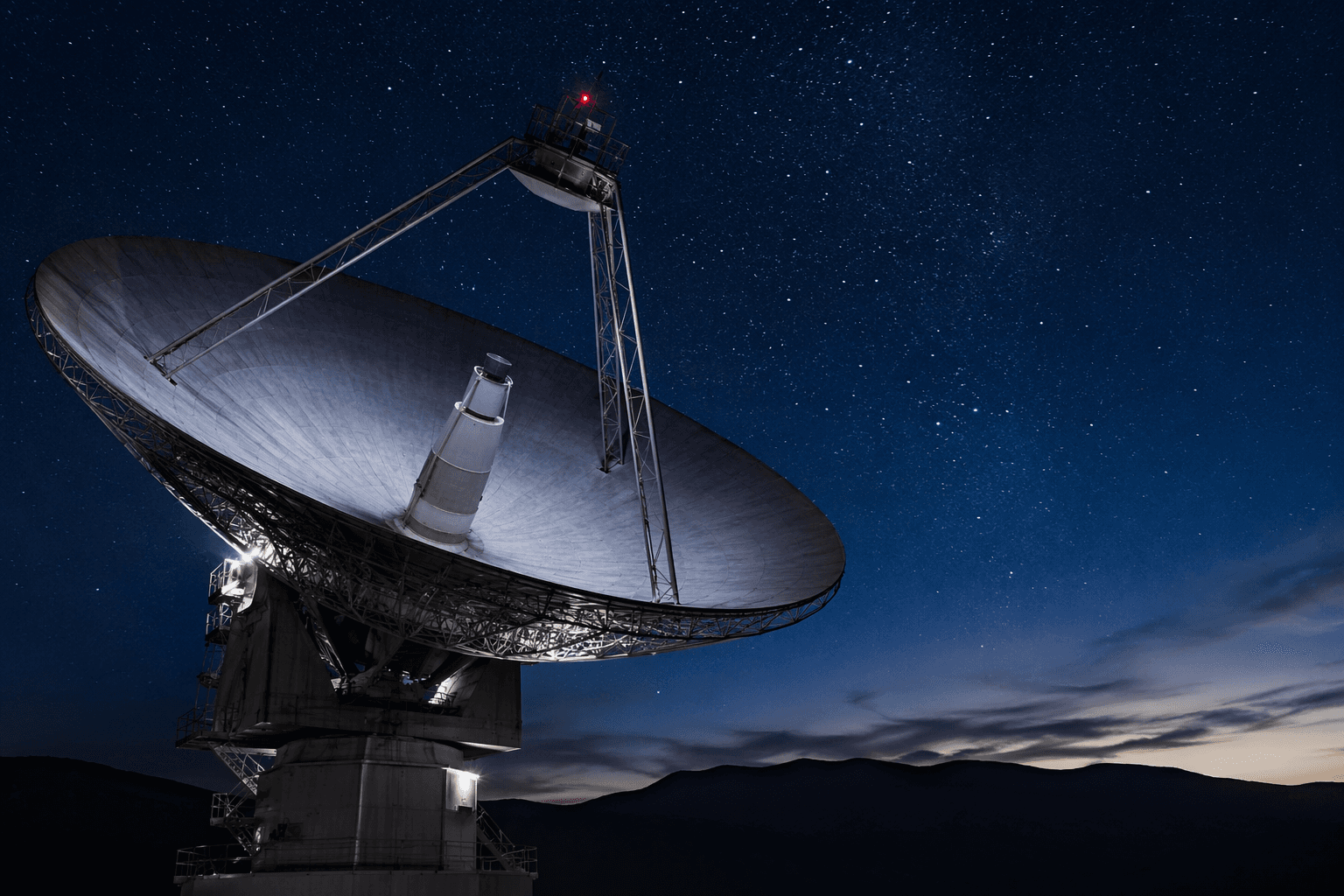
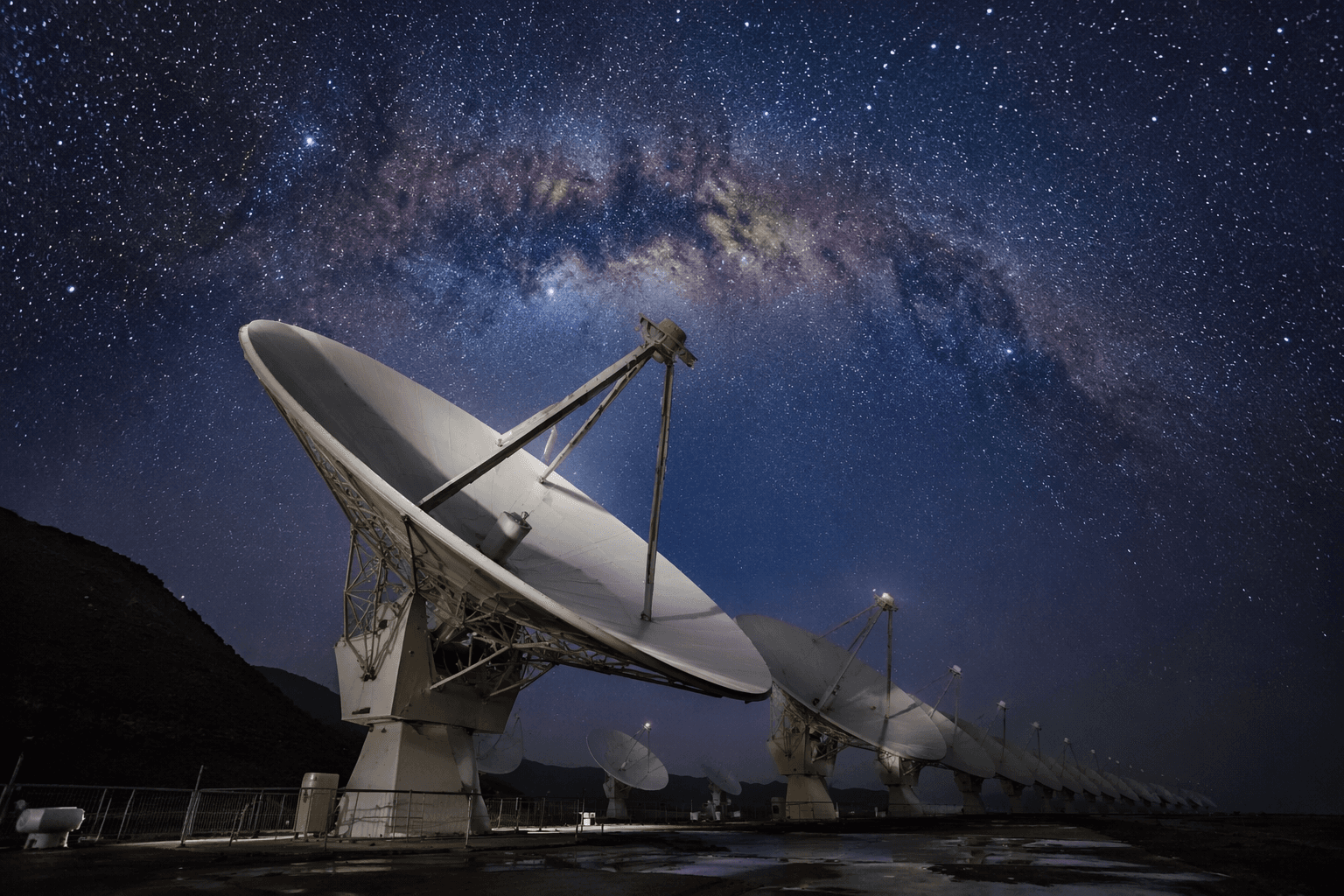
The discovery rests on an unusually deep view of the Galactic Center. Researchers used more than five years of observations from the ALMA Observatory in Chile at a wavelength of 1.3 millimeters, then compared that cold-gas map with X-ray data from NASA’s Chandra observatory. ALMA’s carbon-monoxide images, focused on gas within about one parsec, or roughly three light-years, of Sagittarius A*, were about 100 times deeper and 80 times sharper than earlier maps. In that data, the team found a vast cone-shaped cavity where cold gas is missing. Chandra showed hot, X-ray-emitting gas filling the same region.
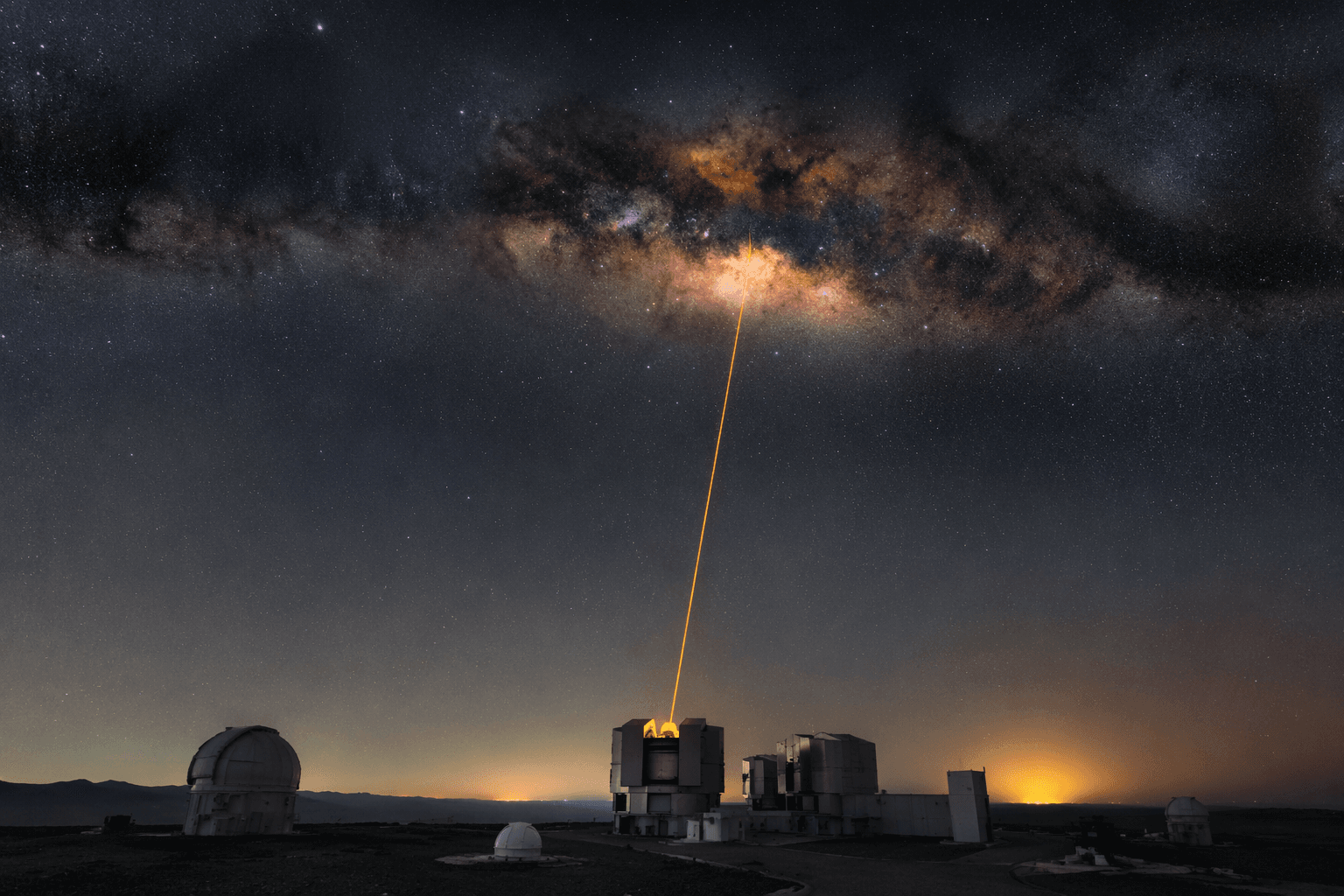
That combination led the scientists to one conclusion: the cavity was carved by an outflow from Sagittarius A* itself. The black hole sits about 26,000 light-years from Earth and contains roughly 4 million times the mass of the Sun. The study estimates the wind has been blowing for at least 20,000 years, and the cavity may stretch as far as 6.5 light-years, though its full size remains uncertain because it extends beyond the observation field.
The finding matters because black holes do not just consume gas, they can also redistribute it. That feedback can heat surrounding material, alter how gas cools, and influence whether new stars form near a galaxy’s center. Scientists have seen similar winds and jets in other galaxies, but Sagittarius A* has long been difficult to pin down because it is comparatively quiet. The new evidence shows that even a gentler outflow can leave a large mark on its surroundings.
Mark Gorski, who co-led the study with Elena Murchikova at Northwestern University, said the new observations gave the team a clean enough view to see the wind’s imprint. Murchikova said the discovery shows the Milky Way’s black hole is not unique and that “our place in the universe is not unique.”
The result also builds on earlier work from the Event Horizon Telescope Collaboration, which first imaged Sagittarius A* in 2022 and later measured polarized light close to its edge, hinting at a hidden jet and strong magnetic fields. Together, those observations are making the Milky Way’s central black hole look less like a dormant object and more like an engine still shaping the galaxy around it.
This article was produced by Prism’s automated news system from verified source data, official records, and press releases, then run through automated quality and moderation checks before publishing. The system is built and supervised by the people who set the standards it runs under. Read our full AI policy.
Know something we missed? Have a correction or additional information?
Submit a Tip